


How Predictive Maintenance Reduces Rail Track Failures

How Predictive Maintenance Reduces Rail Track Failures

Rail track failures can cause costly delays, safety risks, and disruptions in railway operations. Predictive maintenance is changing the game by helping railway operators detect potential problems before they turn into major failures.

This article will explain how predictive maintenance works and why it is more effective than traditional methods. You will learn how predictive rail flaw detection and smart maintenance railway systems play a key role in rail track failure prevention. By the end, you’ll understand the benefits and challenges of using predictive maintenance to keep railways safe and reliable.

What Is Predictive Maintenance and How It Works

Predictive maintenance is becoming a key strategy in the railway industry to reduce unexpected failures and improve safety. It focuses on using data and technology to monitor the health of rail tracks and predict problems before they happen. Let’s explore how predictive maintenance works and what makes it different from other maintenance methods.

Explanation of Predictive Maintenance

Predictive maintenance is a proactive method that uses real-time data and advanced analytics to predict when rail infrastructure might fail. Unlike traditional maintenance schedules, it continuously monitors the actual condition of rail tracks to identify potential issues before they cause failures.

This process relies heavily on data collected from sensors installed along the railway tracks. These sensors provide constant updates on the track’s health, which are then analyzed by algorithms to detect early signs of wear, cracks, or other defects. When the system predicts a problem, maintenance teams receive alerts, allowing them to intervene promptly and avoid costly disruptions.

Difference from Condition-Based Railway Maintenance

Predictive maintenance and condition-based railway maintenance both aim to reduce rail track failures, but they operate differently:

  • Condition-Based Maintenance

    • Maintenance is performed only after a fault or abnormal condition is detected.
    • Relies on inspections or manual checks to determine track condition.
    • Repairs may happen after minor damage has already occurred.
  • Predictive Maintenance

    • Continuously collects and analyzes data to forecast failures before they occur.
    • Uses predictive rail flaw detection technology to schedule timely repairs.
    • Focuses on preventing damage, improving safety, and reducing costs.

By moving beyond reactive condition-based methods, predictive maintenance offers a smarter, data-driven approach that helps prevent rail track failures more effectively.

Now that we understand how predictive maintenance works and how it stands apart from other methods, let’s look into how predictive rail flaw detection actually prevents failures.

How Predictive Rail Flaw Detection Prevents Failures

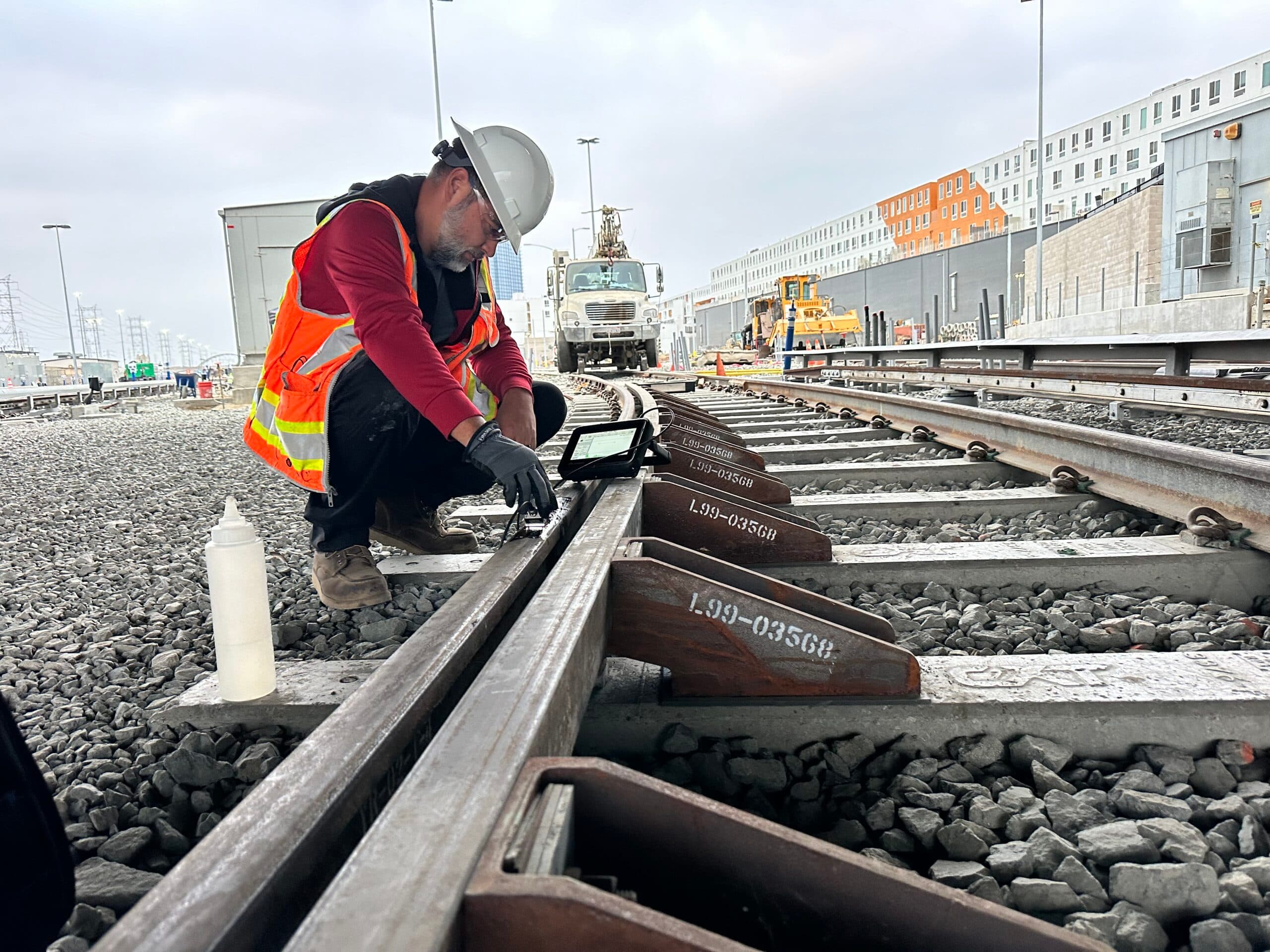
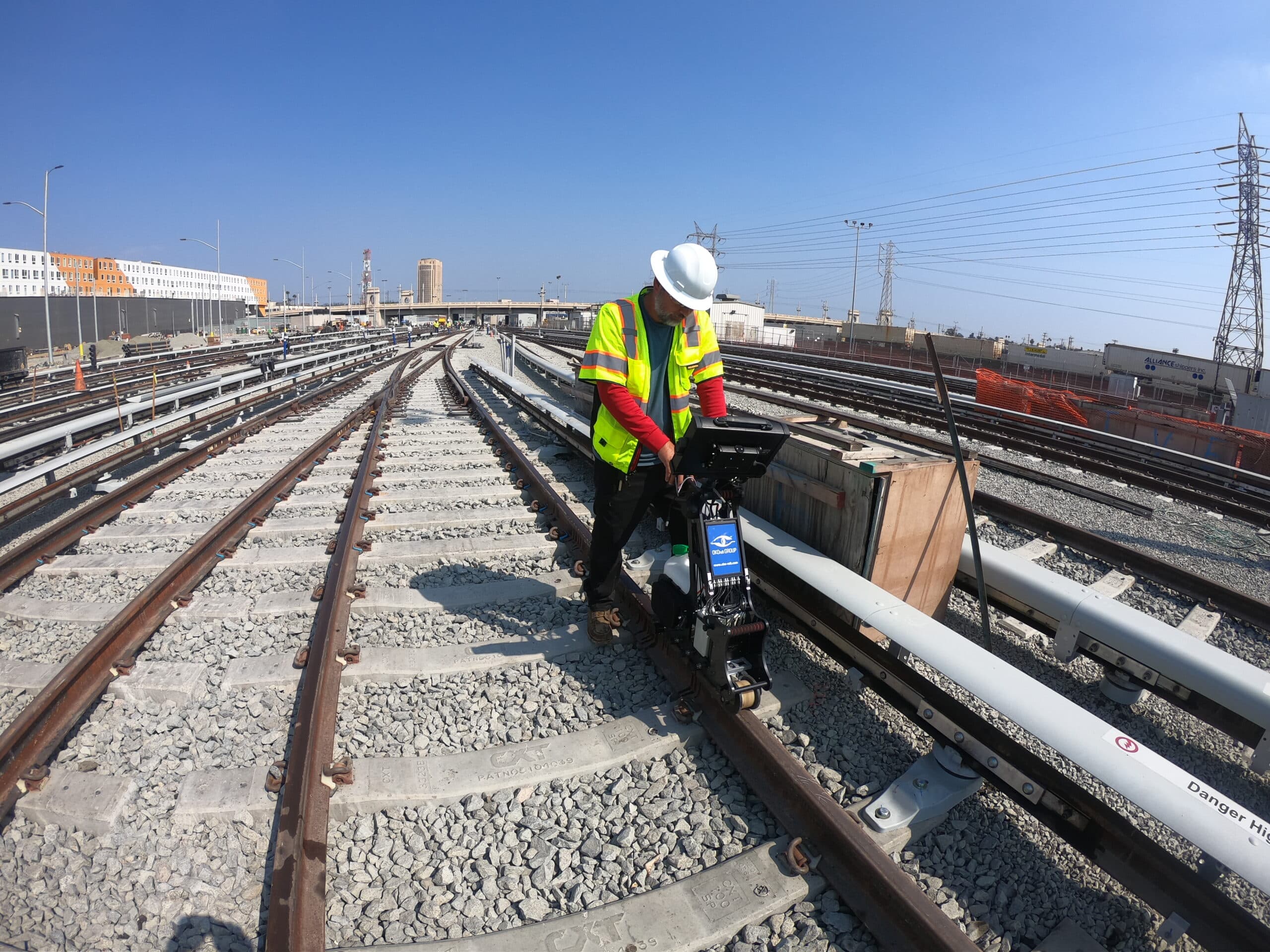
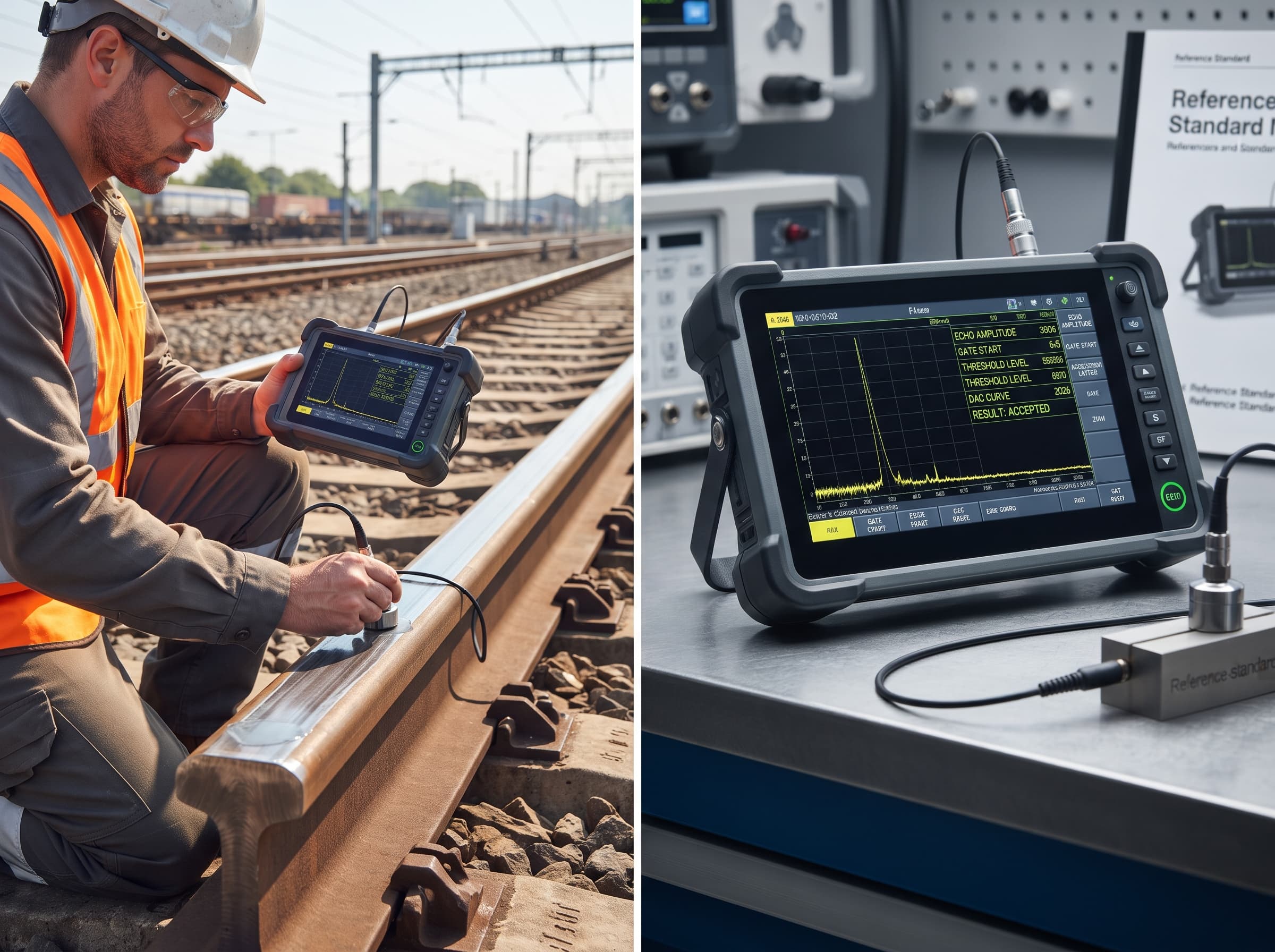
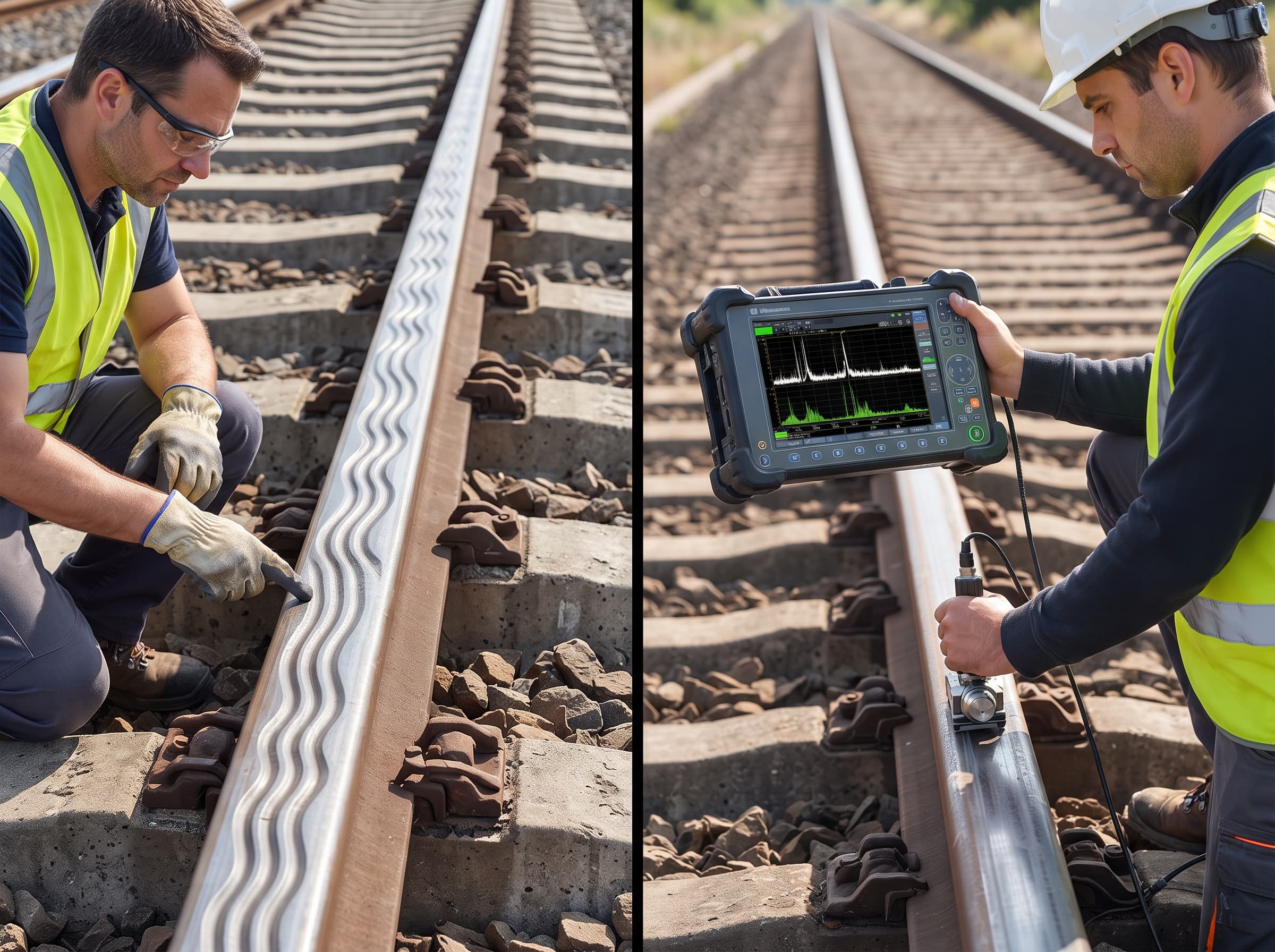
Detecting rail track issues before they become serious is the core benefit of predictive maintenance. This is achieved through advanced sensors and data analysis, which together provide early warnings of potential failures. Additionally, smart maintenance railway systems make it easier to act on this information efficiently.

Use of Sensors and Data to Detect Flaws Early

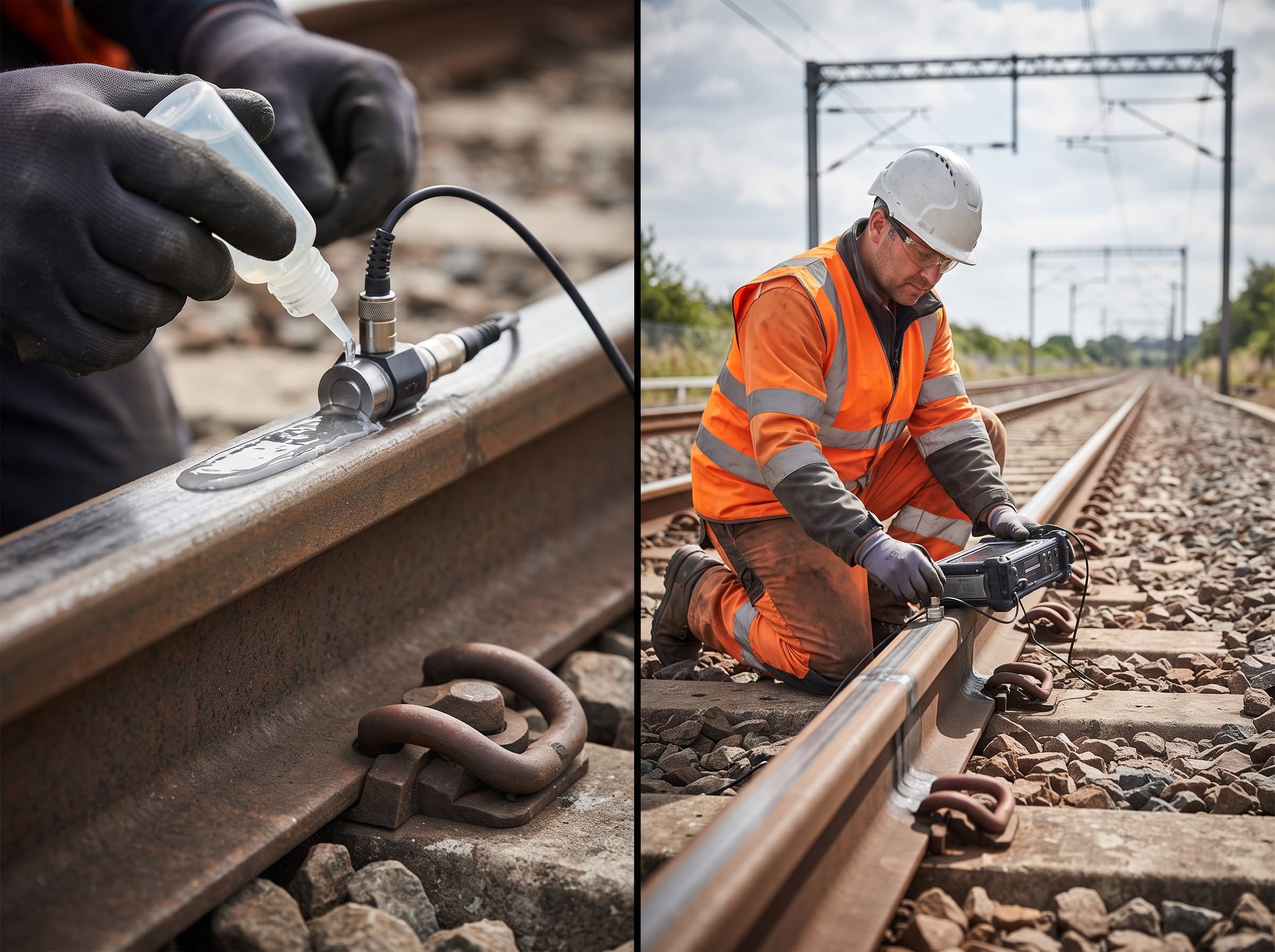
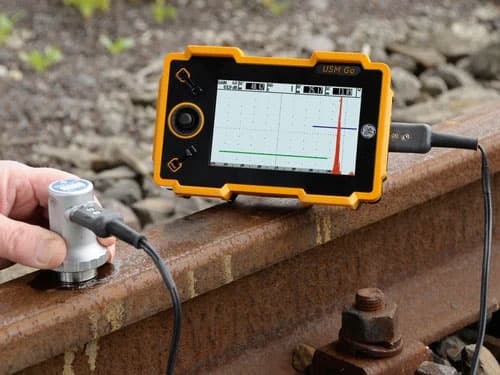
Predictive rail flaw detection depends on a network of sensors installed along the tracks to monitor key factors such as:

  • Vibrations and impacts from passing trains
  • Temperature fluctuations affecting rail expansion
  • Stress and strain on rail components
  • Surface cracks, corrosion, and other defects

These sensors send continuous streams of data to centralized systems where advanced software analyzes the information. This allows detection of even minor defects long before they become serious enough to cause rail track failure. 

Early identification means maintenance teams can address problems quickly, preventing unexpected breakdowns and improving overall rail safety.

Role of Smart Maintenance Railway Systems

Smart maintenance railway systems combine predictive maintenance technologies with automated tools and digital communication networks to deliver:

  • Real-time track condition monitoring for instant updates
  • Automated alerts to notify maintenance teams of risks
  • Data-driven maintenance planning prioritizing repairs based on failure predictions
  • Efficient resource management to minimize downtime and maintenance costs

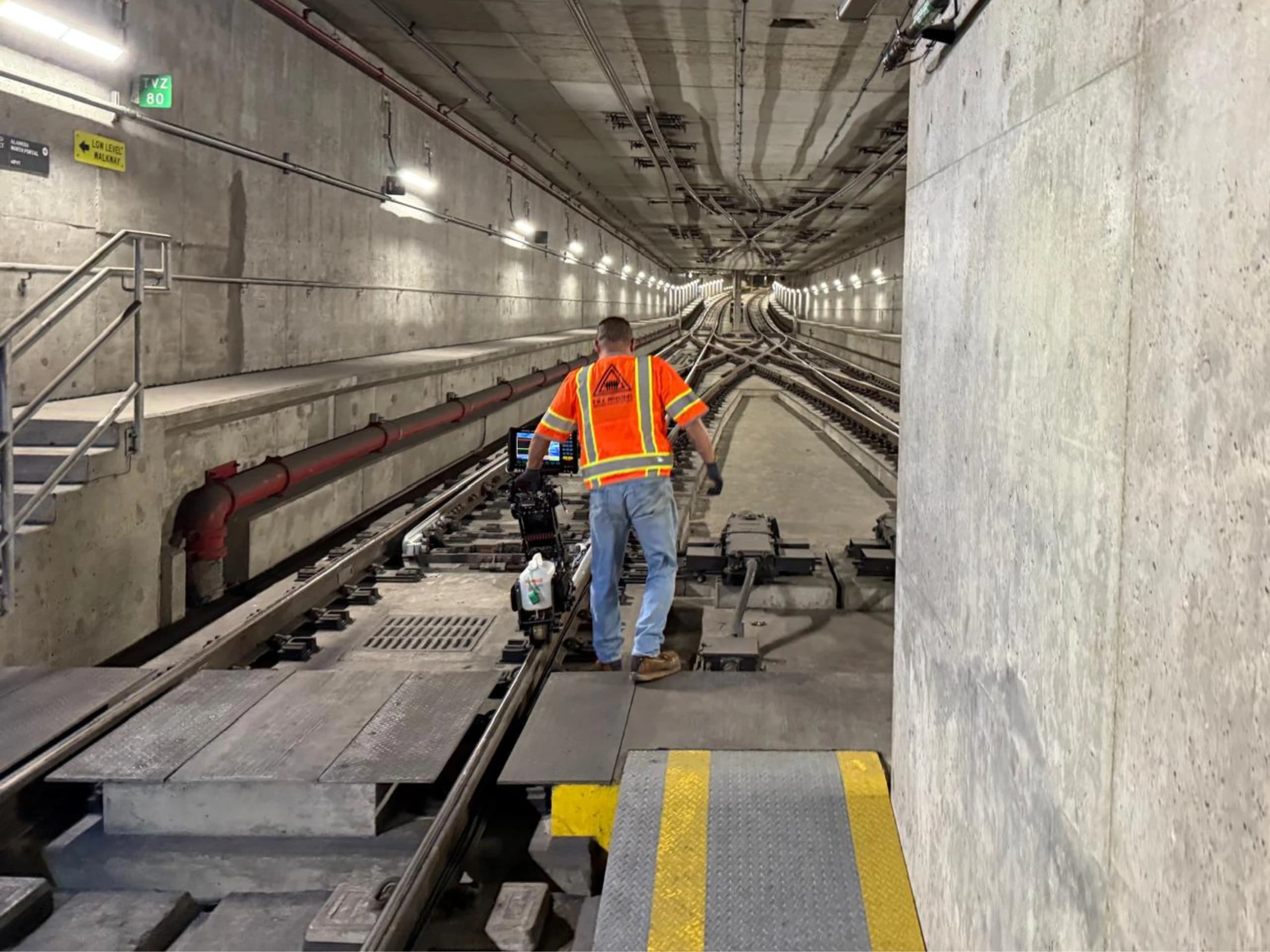
This integration of sensors, analytics, and automation enables rail operators to maintain infrastructure more reliably and cost-effectively. The result is fewer rail track failures and safer railway operations.

But while predictive maintenance and smart systems bring many benefits, implementing them on a wide scale poses some challenges, which we will cover next.

Benefits of Predictive Maintenance for Rail Track Failure Prevention

Predictive maintenance offers significant advantages in reducing rail track failures. By anticipating problems early, rail operators can improve safety and reliability while managing costs more effectively. Let’s explore the key benefits in detail.

Increased Safety and Reliability

One of the biggest advantages of predictive maintenance is the enhanced safety it provides. Early detection of rail flaws prevents sudden failures that could lead to accidents or derailments. Continuous monitoring also ensures that tracks remain in optimal condition, increasing overall reliability and minimizing service disruptions for passengers and freight.

Cost Savings and Longer Track Life

Predictive maintenance helps cut costs by reducing emergency repairs and extending the lifespan of rail infrastructure. Scheduled repairs based on accurate data prevent small issues from becoming major, expensive problems. This leads to:

  • Lower maintenance and repair expenses
  • Reduced downtime and loss of revenue
  • Longer service life for rails and related equipment

By focusing resources where and when they are needed most, rail companies can operate more efficiently and sustainably.

Challenges and Future of Predictive Maintenance in Railways

While the benefits are clear, adopting predictive maintenance on a large scale is not without challenges. At the same time, advances in technology are opening new opportunities to improve and expand these systems.

Implementation Challenges

Railway operators face several obstacles when implementing predictive maintenance, including:

  • High initial costs for sensors, software, and training
  • Managing and analyzing large volumes of data accurately
  • Integrating predictive systems with existing maintenance processes
  • Ensuring skilled personnel are available to interpret data and act on alerts

Overcoming these challenges requires careful planning and investment but can lead to significant long-term gains.

Emerging Technologies and Future Trends

The future of predictive maintenance in railways looks promising due to ongoing technological innovations. Some emerging trends include:

  • Use of artificial intelligence (AI) and machine learning to improve data analysis
  • Advanced sensor technology with higher accuracy and durability
  • Integration with Internet of Things (IoT) platforms for better connectivity
  • Increased automation in inspection and maintenance tasks

These developments will make predictive maintenance more effective, easier to implement, and accessible to a wider range of railway operators.

Conclusion

Predictive maintenance is transforming how railways prevent track failures by shifting from reactive repairs to data-driven, proactive care. Through the use of advanced sensors, predictive rail flaw detection, and smart maintenance railway systems, operators can detect issues early, improve safety, and reduce costly downtime. 

While challenges like initial costs and data management remain, emerging technologies continue to make predictive maintenance more accessible and effective.

By adopting predictive maintenance, railway networks can extend the life of their infrastructure, cut expenses, and deliver more reliable service. Embracing this smart approach is key to building safer, stronger, and more efficient rail systems for the future.

Key Points

  • Predictive maintenance uses real-time data and analytics to forecast rail track failures before they occur.
  • It differs from condition-based maintenance by focusing on predicting issues rather than reacting after faults appear.
  • Sensors installed along rail tracks monitor vibrations, temperature, stress, and surface defects continuously.
  • Data from sensors is analyzed by software to detect early signs of rail flaws and notify maintenance teams.
  • Smart maintenance railway systems combine predictive maintenance with automation and real-time alerts for efficient repairs.
  • Predictive maintenance improves rail safety by preventing sudden track failures and reducing service disruptions.
  • It lowers maintenance costs and extends rail track lifespan by enabling timely, targeted repairs.
  • Challenges include high initial investment, managing large data volumes, system integration, and skilled workforce needs.
  • Emerging technologies like AI, machine learning, IoT, and advanced sensors are enhancing predictive maintenance capabilities.
  • Widespread adoption of predictive maintenance leads to safer, more reliable, and cost-effective railway operations.

FAQs

How does predictive maintenance differ from traditional maintenance methods?

Unlike traditional maintenance, which often follows a fixed schedule or reacts to visible faults, predictive maintenance continuously monitors the condition of railway assets. It uses data-driven insights to predict potential failures, enabling maintenance activities to be performed only when necessary, thus optimizing resources and reducing costs.

How does predictive maintenance contribute to rail track failure prevention?

By continuously monitoring the condition of rail tracks and components, predictive maintenance can identify early signs of wear or potential failures. This allows for timely repairs or replacements, preventing unexpected track failures and ensuring continuous safe operations.

What role do sensors play in predictive maintenance for railways?

Sensors are crucial as they collect real-time data on various parameters like vibrations, temperature, and stress. This data is then analyzed to detect anomalies or patterns that may indicate potential issues, enabling proactive maintenance actions.

Can predictive maintenance be integrated with existing railway systems?

Yes, predictive maintenance can be integrated with existing railway systems. However, it may require updates to infrastructure, training for personnel, and adjustments to maintenance workflows to fully leverage its benefits.