

How Are Train Tracks Maintained? Processes, Techniques & Technologies

How Are Train Tracks Maintained? Processes, Techniques & Technologies

Trains are the lifeline of modern transportation, carrying millions of passengers and tons of cargo every day. But have you ever wondered, how are train tracks maintained? Keeping these steel pathways safe and efficient requires a careful blend of routine upkeep, advanced technology, and specialized techniques.

In this article, we will explore the train track maintenance process, including everyday inspections, rail track upkeep techniques, and the latest technologies that make railway systems safer and more reliable. You’ll also learn about common challenges in track maintenance and how railways overcome them to ensure smooth operations across the globe.

Key Components of Railway Tracks

When asking “How are train tracks maintained?”, it’s important to first understand the main components of a railway track. Each element plays a vital role in stability, safety, and smooth train operations. Knowing these parts also explains why certain maintenance methods are applied.

Rails

Rails are the steel bars that guide trains along their route. They must withstand heavy loads while remaining smooth to reduce friction. Over time, rails experience wear and tear from constant train traffic. Regular inspections and techniques like rail grinding are essential to keep them in top condition.

Ties (Sleepers)

Ties, or sleepers, sit beneath the rails and maintain the correct gauge. They distribute the train’s weight across the track bed and help keep alignment. Materials can include:

  • Wood
  • Concrete
  • Composite materials

Each material requires slightly different maintenance approaches to ensure long-term durability.

Ballast

Ballast is made of crushed stones around and beneath the ties. Its main roles are:

  • Providing track stability
  • Allowing proper drainage
  • Absorbing vibrations from passing trains

If ballast is not clean or properly packed, the track may shift or settle unevenly, causing alignment issues and potential safety risks.

Subgrade

The subgrade is the foundation layer beneath the ballast. It supports the entire track structure and prevents settlement. Even the strongest rails and sleepers can fail if the subgrade is weak or eroded, highlighting the importance of thorough inspections.

Understanding these components sets the stage for examining the routine maintenance practices that keep them in optimal condition.

Routine Track Maintenance

With the key components in mind, the next question is how train tracks are maintained daily. Routine maintenance is crucial to prevent accidents, extend track life, and ensure smooth operations.

Visual Inspections

Maintenance crews regularly walk along tracks to identify visible issues. Inspections focus on:

  • Cracks or breaks in rails
  • Loose or damaged ties
  • Displaced ballast

Even minor problems detected early can prevent serious accidents, making inspections the first line of defence.

Component Replacements

Replacing worn-out components is an essential part of the train track maintenance process. Typical replacements include:

  • Rails with cracks or excessive wear
  • Decayed or broken ties
  • Loose fasteners

Prompt replacement ensures the track structure remains safe and reduces the need for costly emergency repairs.

Ballast Upkeep

Ballast maintenance involves cleaning, replenishing, and repacking stones. Tamping machines are often used to lift the track and redistribute ballast, restoring proper alignment and drainage.

Track Alignment

Correct alignment ensures smooth train movement without unnecessary friction or vibration. Maintenance teams adjust rails and ties to fix minor shifts caused by heavy train loads or environmental factors.

Routine maintenance forms the foundation of safe rail operations. Yet, beyond these everyday tasks, railways also employ specialised techniques and advanced technologies to tackle more complex issues and further extend track life. 

Specialized Maintenance Techniques

Beyond routine upkeep, railways rely on specialised maintenance techniques to extend the life of tracks and ensure safe operations. These methods address wear, alignment issues, and ballast performance, forming a key part of the answer to how are train tracks maintained.

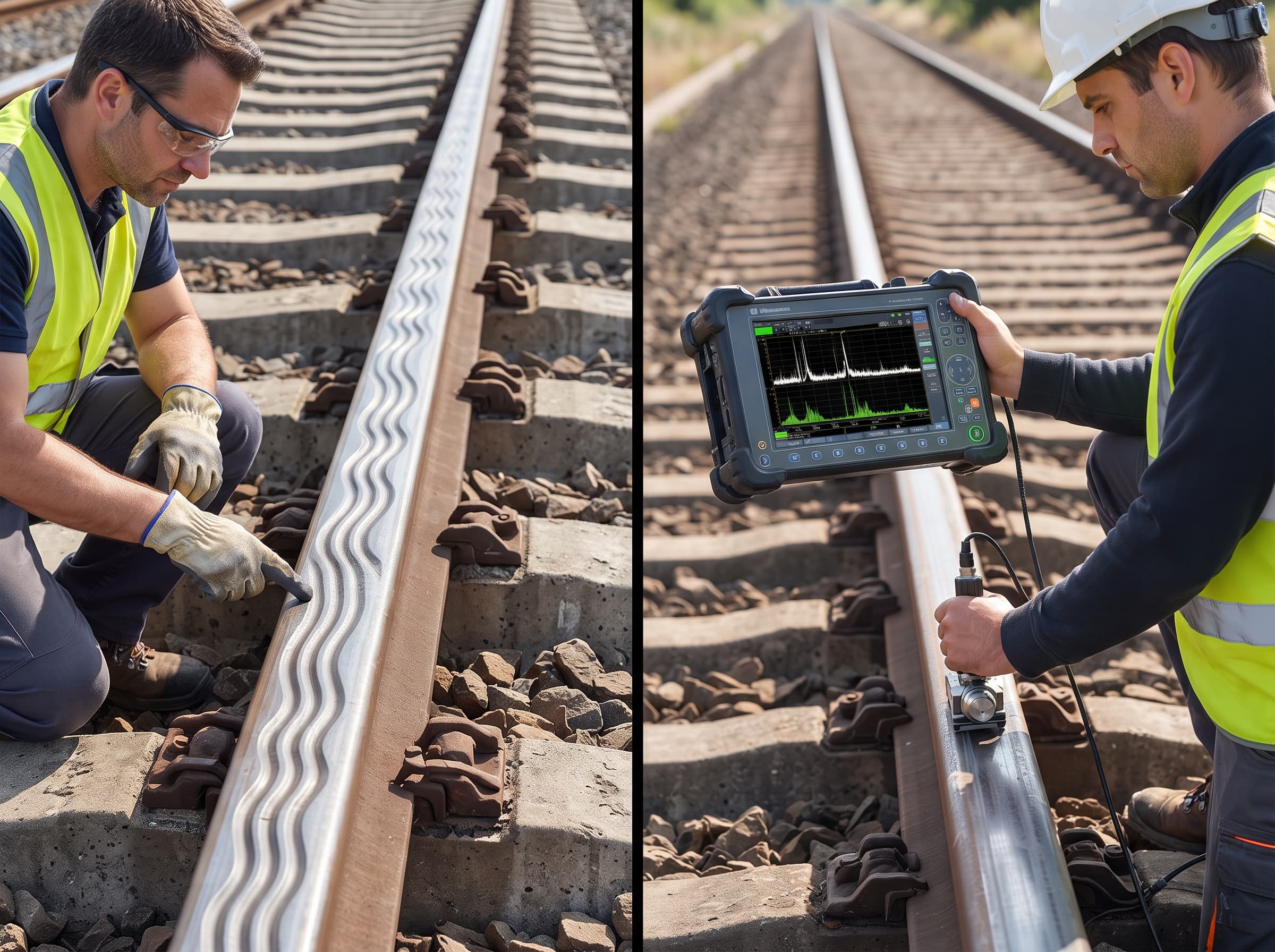
Rail Grinding

Rail grinding is used to remove surface irregularities and correct rail profiles. Over time, rails develop small cracks or uneven surfaces due to constant train traffic. Grinding helps to:

  • Reduce wear and tear on train wheels
  • Minimise noise
  • Extend the lifespan of the rails

Regular rail grinding prevents minor issues from becoming major defects, keeping trains running safely and smoothly.

Tamping

Tamping involves lifting the track slightly and packing ballast underneath the ties to restore proper alignment and stability. Benefits include:

  • Correcting track geometry
  • Improving load distribution
  • Preventing track settlement

Tamping ensures that trains operate on a level, stable surface, reducing the risk of derailments.

Tie Replacement

Sleepers or ties gradually wear out due to weather exposure and repeated train loads. Tie replacement is essential to:

  • Maintain proper rail gauge
  • Support the track structure
  • Prevent misalignment

Modern machinery allows crews to replace ties efficiently without halting train operations for long periods.

Ballast Cleaning

Ballast can become clogged with dirt, vegetation, or broken stone over time. Cleaning the ballast restores:

  • Drainage efficiency
  • Track stability
  • Load absorption

These specialised techniques work together to keep the track in excellent condition, but in recent years, railways have also started using advanced technologies to monitor and maintain tracks more efficiently.

Advanced Maintenance Technologies

Technological advancements are transforming the way rail tracks are maintained. Modern solutions not only reduce manual labour but also increase accuracy, safety, and the ability to predict potential problems before they escalate.

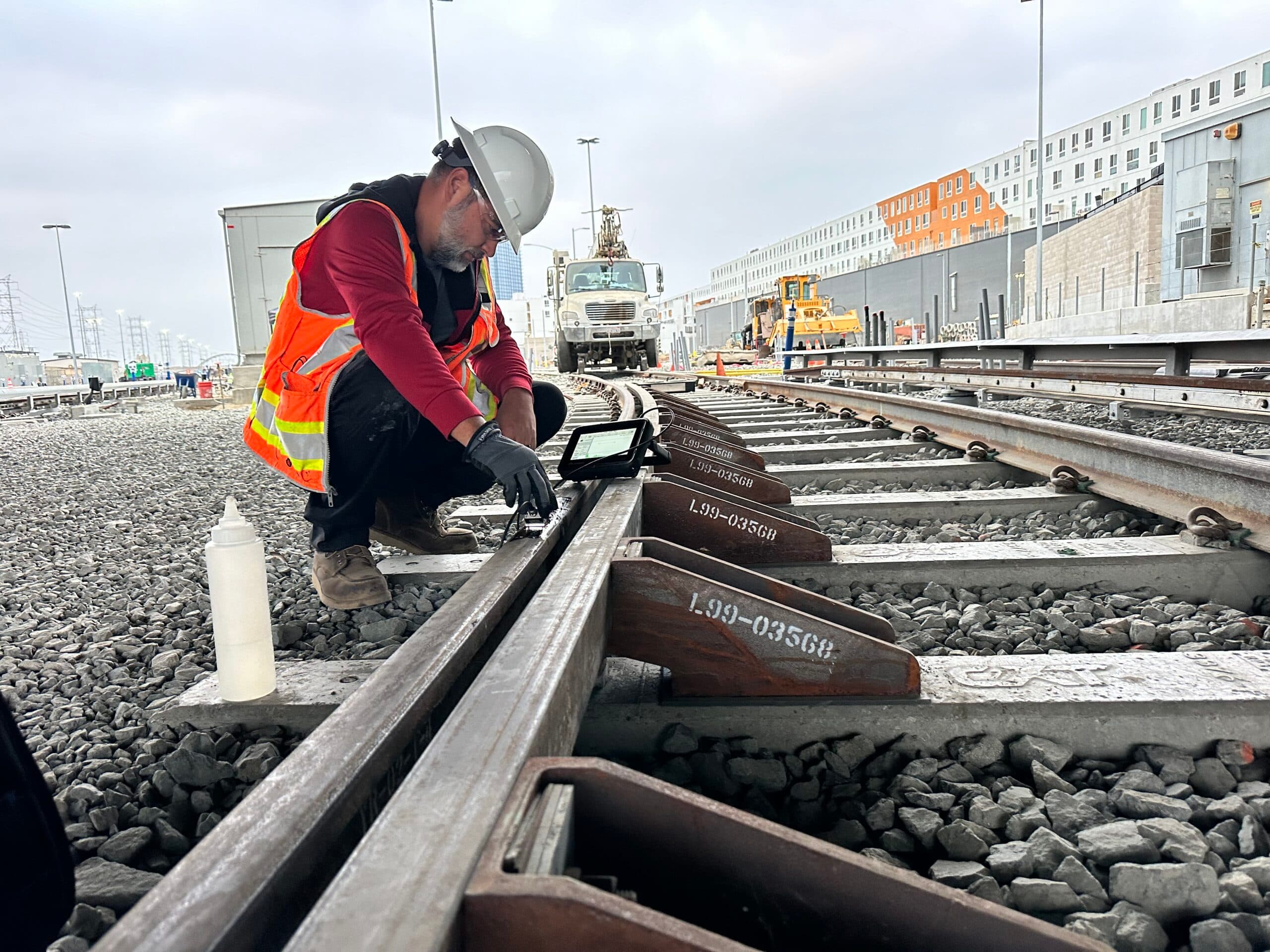
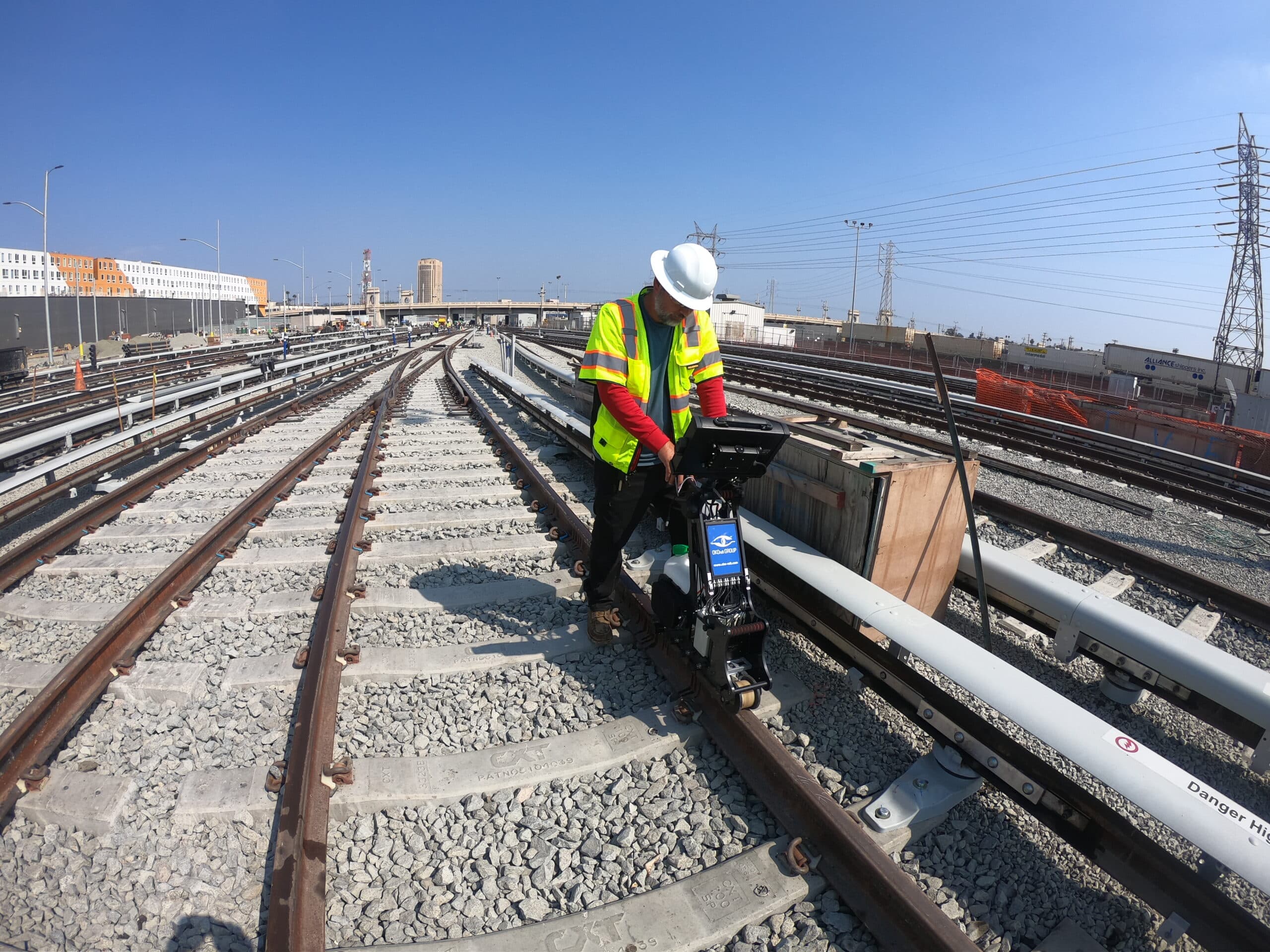
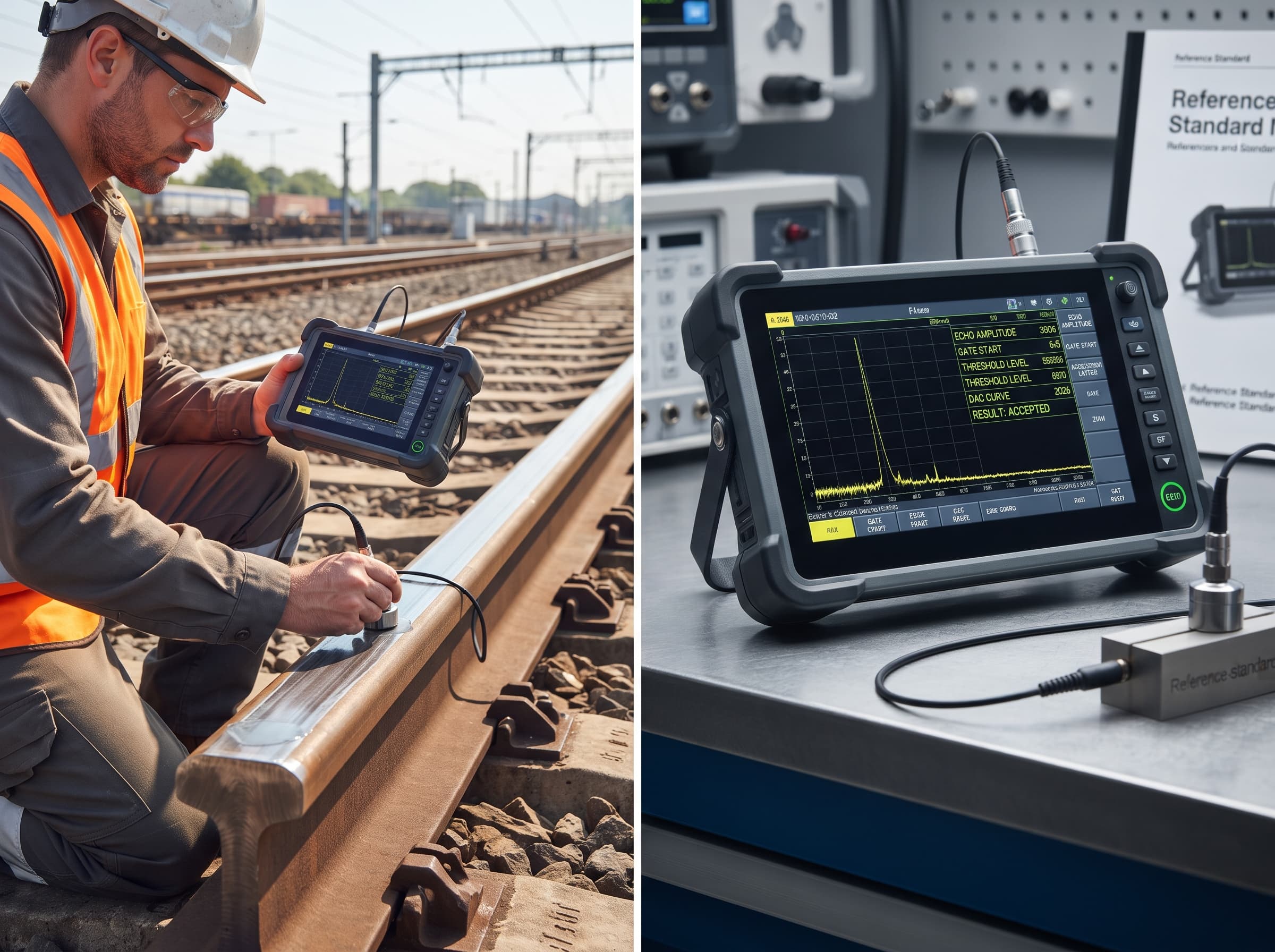
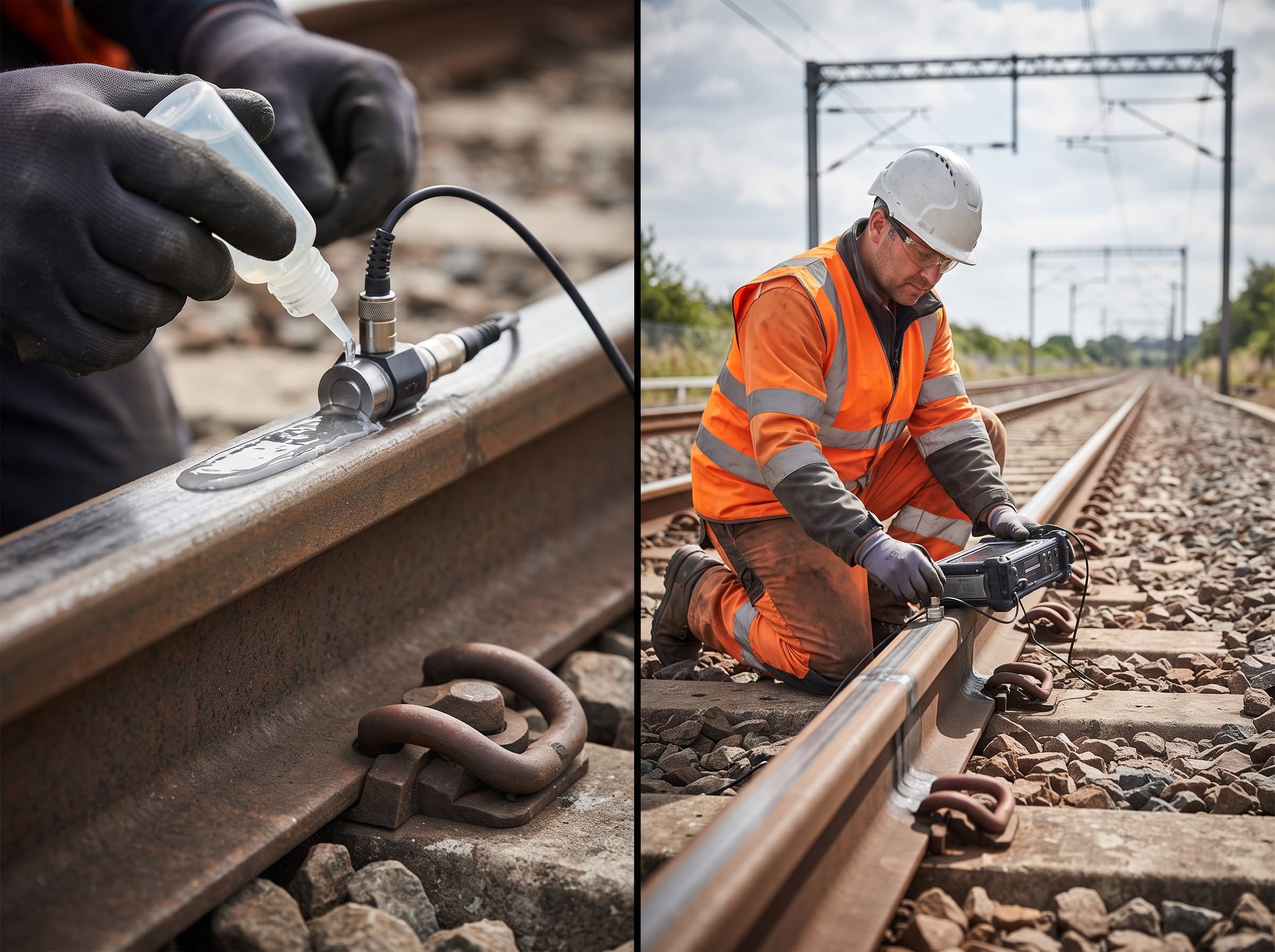
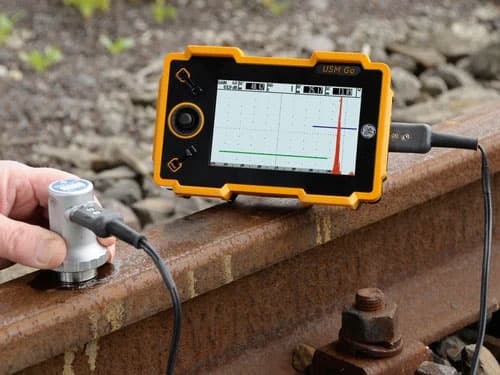
Ultrasonic Testing

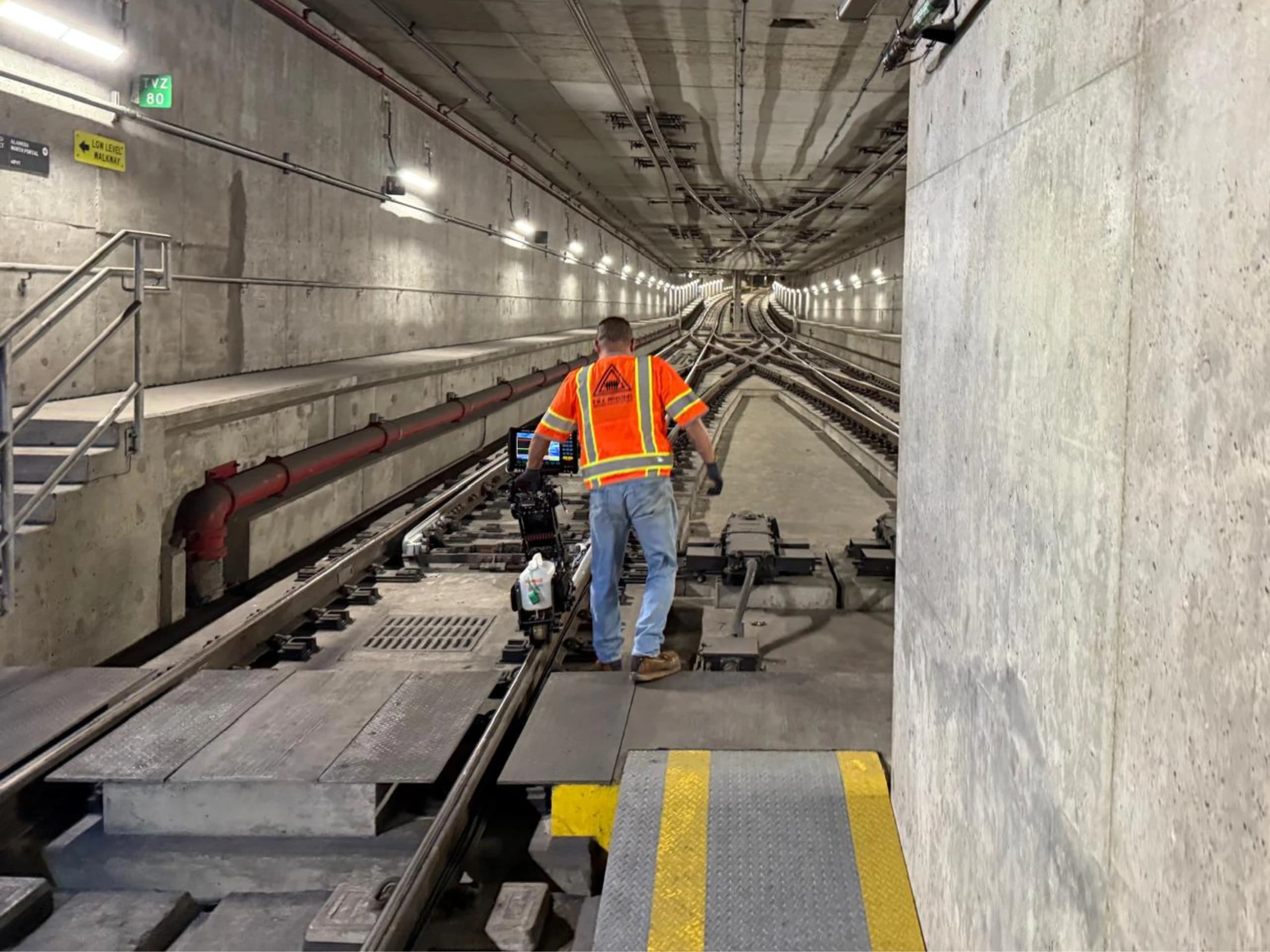
Ultrasonic testing uses high-frequency sound waves to detect internal rail defects that are invisible to the naked eye. It helps identify:

  • Cracks inside the rail
  • Weak points that may cause failure
  • Areas requiring preventive repair

Track Geometry Cars

Track geometry cars are specialised vehicles equipped with sensors to measure:

  • Rail alignment
  • Track elevation and level
  • Gauge consistency

These measurements allow maintenance teams to correct issues precisely, maintaining optimal track performance.

Drones and AI

Drones equipped with cameras and AI algorithms provide real-time inspection over long track sections. Advantages include:

  • Faster detection of surface defects
  • Monitoring remote or hard-to-reach areas
  • Reducing manual inspection risks

Predictive Analytics

Data collected from inspections, sensors, and past maintenance work is analysed to forecast future track problems. Predictive analytics enables:

  • Planning maintenance before failures occur
  • Reducing unexpected downtime
  • Optimising resource allocation

With these advanced technologies, railway operators can maintain tracks more efficiently, ensuring long-term safety and reliability. Next, we will explore the challenges that make track maintenance complex, from weather impacts to high traffic volumes.

Challenges in Track Maintenance

Maintaining railway tracks is not a simple task. Even with routine maintenance, specialised techniques, and advanced technologies, several challenges make it complex and demanding. Understanding these factors helps explain why rail operators continually invest in both manpower and innovation.

Weather Conditions

Weather can significantly affect the train track maintenance process. Extreme temperatures, heavy rain, snow, or ice can:

  • Cause rail expansion or contraction, leading to misalignment
  • Erode ballast or subgrade, weakening track stability
  • Increase wear on rails and ties

Maintenance teams must adjust schedules and methods according to seasonal and local weather conditions to prevent accidents and ensure safe train operations.

High Traffic Volumes

Busy rail networks face a constant flow of trains, leaving limited time for maintenance. High traffic volumes can:

  • Accelerate wear on rails, ties, and ballast
  • Limit the availability of track sections for repair
  • Require more frequent inspections and interventions

Railways often perform maintenance during night hours or use advanced machinery to complete tasks quickly, minimising service disruption.

Aging Infrastructure

Many railway lines were built decades ago and now face ageing infrastructure. Challenges include:

  • Outdated rails and ties needing replacement
  • Subgrades weakened over time
  • Legacy designs that are difficult to upgrade

Aging infrastructure increases the need for both routine and specialised maintenance, making the task more complex and costly.

Despite these challenges, railway operators continue to improve rail track upkeep techniques and integrate innovative solutions to maintain safety and efficiency. 

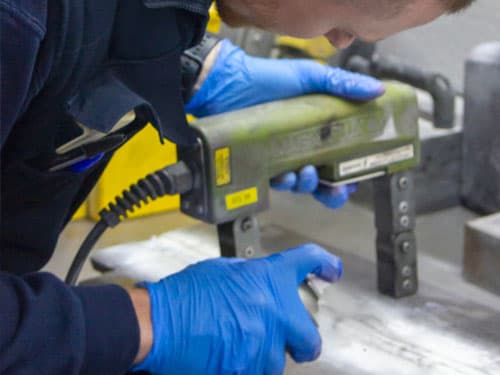
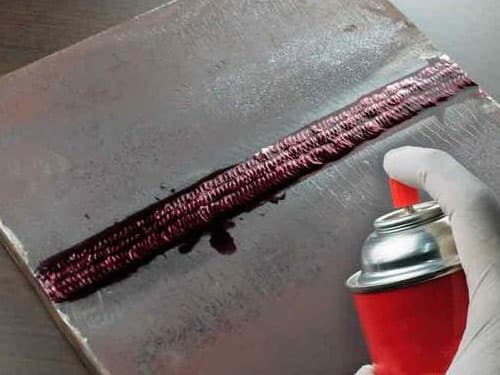
Overall, effective train track maintenance relies on advanced inspection techniques and precise testing. Our ultrasonic examination identifies hidden rail defects, while our magnetic particle examination detects surface cracks. Supported by Level III services, we help keep your railway safe, reliable, and efficient.

Conclusion

Maintaining railway tracks is a complex but essential task that ensures trains run safely and efficiently. From understanding the key components like rails, ties, ballast, and subgrade to performing routine inspections, component replacements, and track alignment, every step plays a vital role in keeping the rail network reliable.

Specialised maintenance techniques such as rail grinding, tamping, tie replacement, and ballast cleaning, combined with advanced technologies like ultrasonic testing, track geometry cars, drones, and predictive analytics, have transformed how train tracks are maintained. 

Despite challenges like weather, high traffic volumes, and aging infrastructure, modern rail track upkeep techniques continue to improve safety, extend track life, and reduce operational disruptions.

By investing in both routine maintenance and innovative solutions, railways can meet the growing demands of transport while keeping passengers and cargo safe. Ultimately, understanding how are train tracks maintained highlights the dedication and precision required to keep the world’s railways running smoothly.

Key Points

  • How train tracks are maintained involves a combination of routine inspections, specialised techniques, and advanced technologies to ensure safety and efficiency.
  • Key components of railway tracks include rails, ties (sleepers), ballast, and subgrade, each crucial for stability and smooth train operations.
  • Rails guide trains and require regular inspections and rail grinding to prevent wear, reduce noise, and extend lifespan.
  • Ties (sleepers) maintain rail gauge, distribute weight, and need replacement when decayed or damaged.
  • Ballast provides stability, drainage, and vibration absorption; cleaning and repacking are essential for track alignment.
  • Routine maintenance includes visual inspections, component replacements, ballast upkeep, and track alignment to prevent accidents.
  • Specialised maintenance techniques like rail grinding, tamping, tie replacement, and ballast cleaning extend track life and improve performance.
  • Advanced technologies such as ultrasonic testing, track geometry cars, drones/AI, and predictive analytics allow precise monitoring and proactive maintenance.
  • Challenges in track maintenance include weather conditions, high traffic volumes, and aging infrastructure, which complicate upkeep efforts.
  • Continuous investment in both rail track upkeep techniques and modern technologies ensures railway safety, efficiency, and long-term reliability.

FAQs

How does rail grinding improve track performance?

Rail grinding smooths out surface irregularities on the rails and corrects the rail profile. Over time, repeated train loads cause wear patterns that can affect ride quality and increase noise. Grinding removes these imperfections, reduces friction, and prolongs the life of the rails. By restoring a smooth running surface, rail grinding ensures that trains operate safely and efficiently while reducing long-term maintenance costs.

Why is ballast cleaning important in track maintenance?

Ballast cleaning is critical for maintaining track stability and proper drainage. Over time, ballast can become clogged with dirt, debris, or broken stone, which reduces its effectiveness. Cleaning the ballast restores its ability to absorb vibrations, support the ties, and allow water to drain away from the track. This process prevents settlement and misalignment, helping the track remain safe and reliable for heavy train traffic.

How do drones assist in railway track inspections?

Drones are increasingly used for railway inspections because they can cover large areas quickly and safely. Equipped with cameras and sensors, drones capture real-time images and data, allowing maintenance teams to identify defects, monitor hard-to-reach sections, and assess track conditions without putting workers at risk. This technology complements traditional inspections and enables faster, more efficient monitoring.

What is predictive maintenance in railway systems?

Predictive maintenance uses data collected from sensors, inspections, and historical records to anticipate potential track issues before they occur. By analysing this information, railway operators can schedule maintenance proactively, reducing the risk of unexpected failures and minimizing downtime. This approach improves operational efficiency, enhances safety, and helps optimise maintenance resources.