


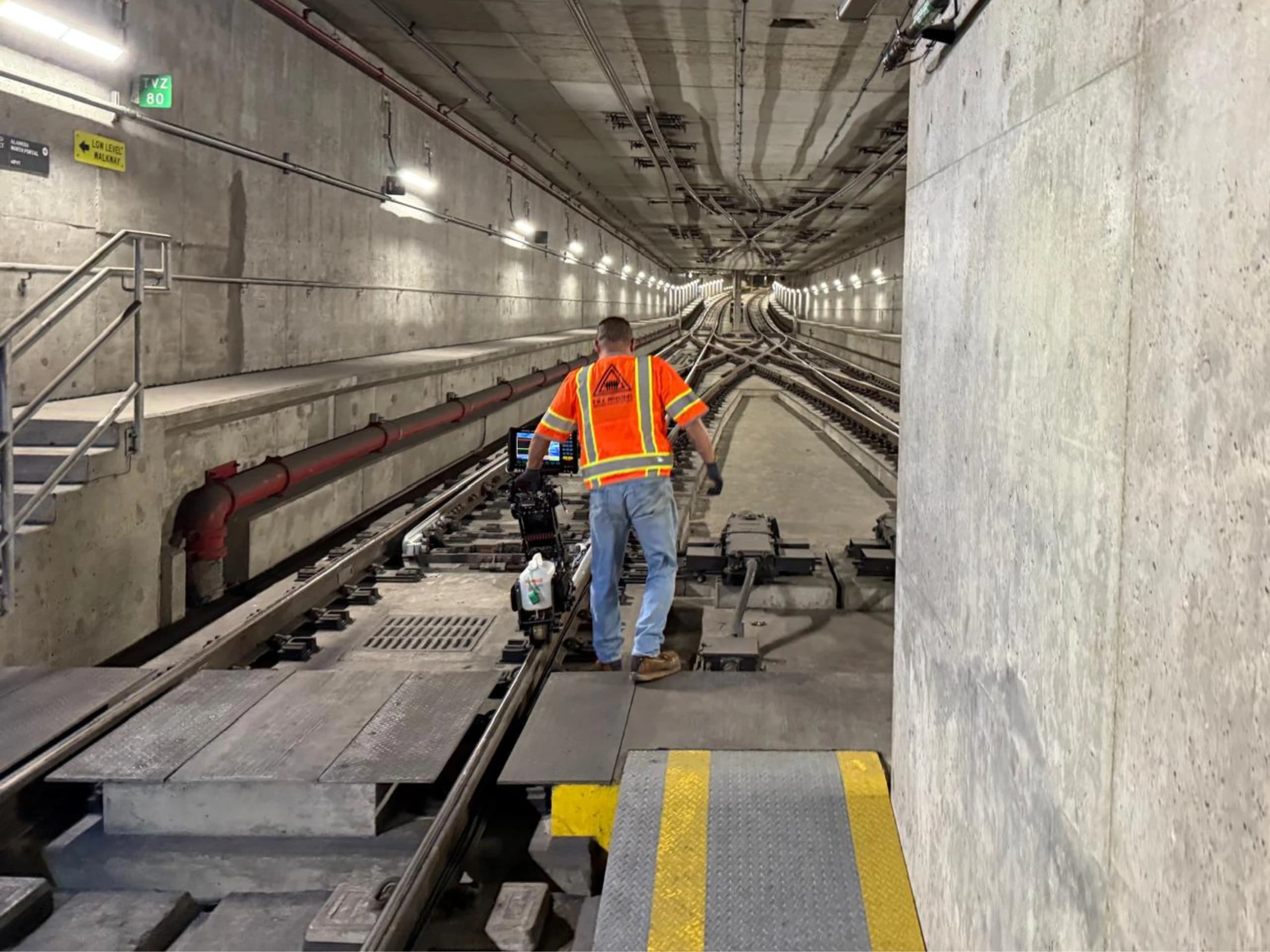
Ensuring Passenger Safety with Mass Transit Rail Inspection Solutions

A single fault in the track can disrupt thousands of journeys, which is why Mass Transit Rail Inspection plays a vital role in keeping passengers safe. Transit systems run at high frequency and face constant pressure, so even small defects can turn into major risks if they go unnoticed.

This article explains the main threats that affect rail safety and shows how modern inspection tools help prevent accidents. It also covers the latest technologies, integrated inspection systems, regulatory needs, and the benefits these solutions bring to both operators and passengers. Keep reading to gain a clear view of how strong inspection practices support safer, more reliable mass transit networks.

Main Threats to Rail Safety

Mass Transit Rail Inspection is essential because several hidden and visible threats can weaken the track and compromise passenger safety. Each threat affects the rail network in a different way, yet all can lead to serious incidents if left untreated. These issues often develop slowly, making early detection crucial before they escalate into faults that disrupt operations.

Internal Rail Defects

Internal rail defects form inside the steel and are often impossible to spot with the naked eye. These flaws usually result from repeated train loads, temperature shifts, and long-term metal fatigue. Over time, they grow into cracks that weaken the rail’s structural strength.
Common internal defects include:

  • Fatigue cracks
  • Horizontal and vertical splits
  • Internal fissures along the rail head

These problems can spread without warning, which is why targeted inspection becomes the first defence against rail failure.

Surface Wear and Cracks

The rail surface faces constant pressure from daily traffic, especially in busy mass transit corridors. As trains accelerate, brake and pass over the same sections each day, the metal gradually wears down. This wear exposes the track to cracks, chipping and rolling contact fatigue.

If operators ignore these signs, the cracks can deepen, causing rail breaks and severe alignment problems. The challenge grows even larger when these issues combine with weather effects such as heat expansion or heavy rainfall.

Subsurface Problems in Ballast and Track Bed

A rail system relies on a stable foundation, and that stability comes from the ballast and the track bed beneath it. When this layer weakens, it causes uneven support and forces the track to shift under load.

Typical subsurface issues include:

  • Ballast degradation
  • Waterlogging
  • Voids beneath sleepers
  • Subgrade erosion

These defects create hidden hazards that make the track vulnerable to buckling and long-term deformation. As the foundation weakens, the risk level rises, leading directly to our next concern.

Issues with Ties, Fasteners and Track Geometry

Even when the rails and ballast appear intact, problems with supporting components can still reduce safety. Worn sleepers (ties), broken fasteners and loose fittings all allow excessive rail movement. This movement results in poor track geometry, including misalignment, uneven gauge and twists along the rail.

Poor geometry affects ride quality and increases wear on both track and rolling stock. More importantly, it creates dangerous conditions that can lead to derailments. These combined threats show why deeper inspection practices remain essential, and that leads us to the next major topic.

Key Rail Inspection Technologies

As safety demands increase, traditional inspection methods alone cannot keep pace with modern transit systems. Today, operators rely on advanced tools and data-driven inspection systems to spot faults earlier and intervene before they escalate. 

This next group of technologies forms the backbone of effective Mass Transit Rail Inspection, and each one solves a different part of the safety puzzle.

Ultrasonic Testing

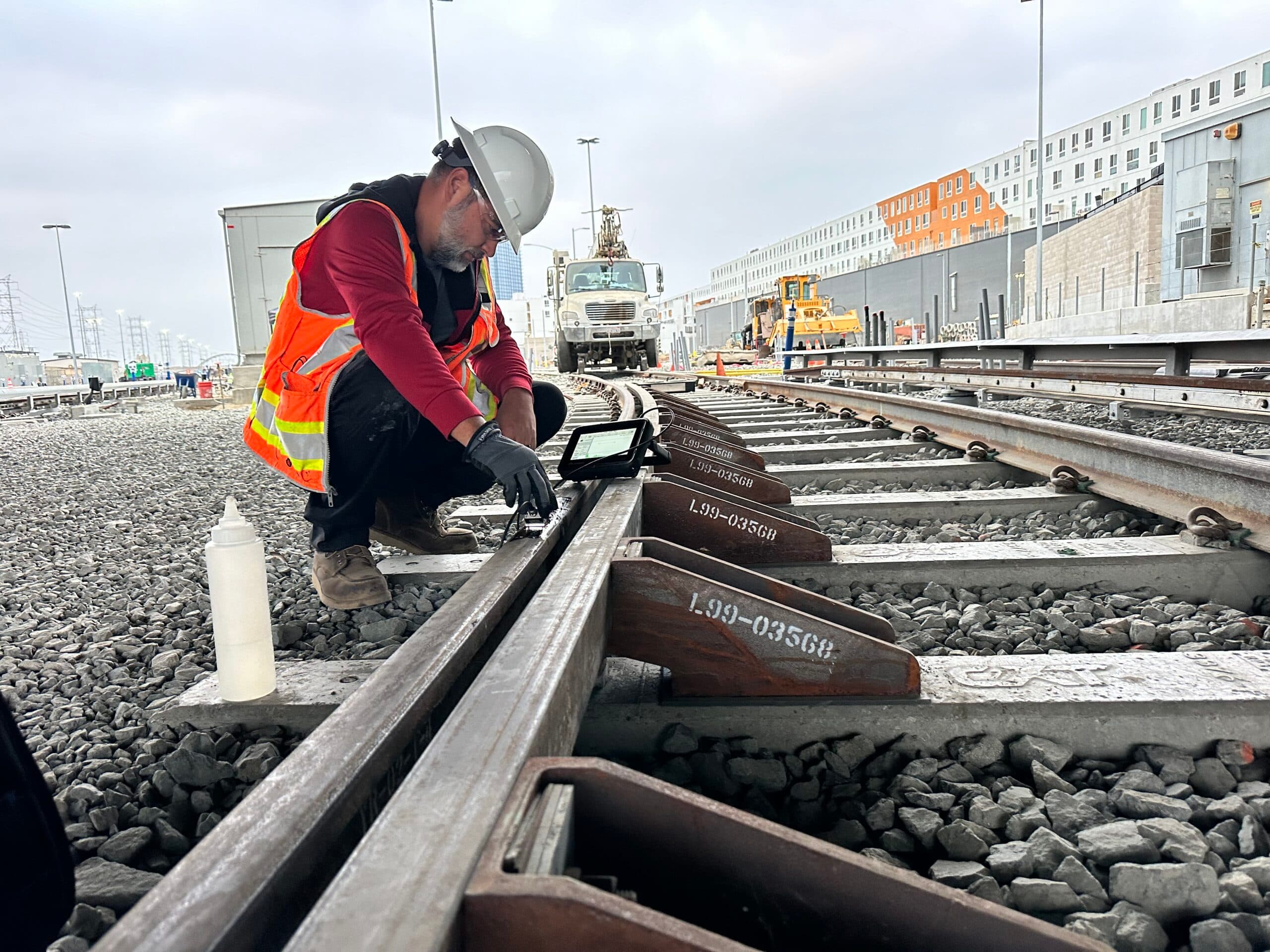
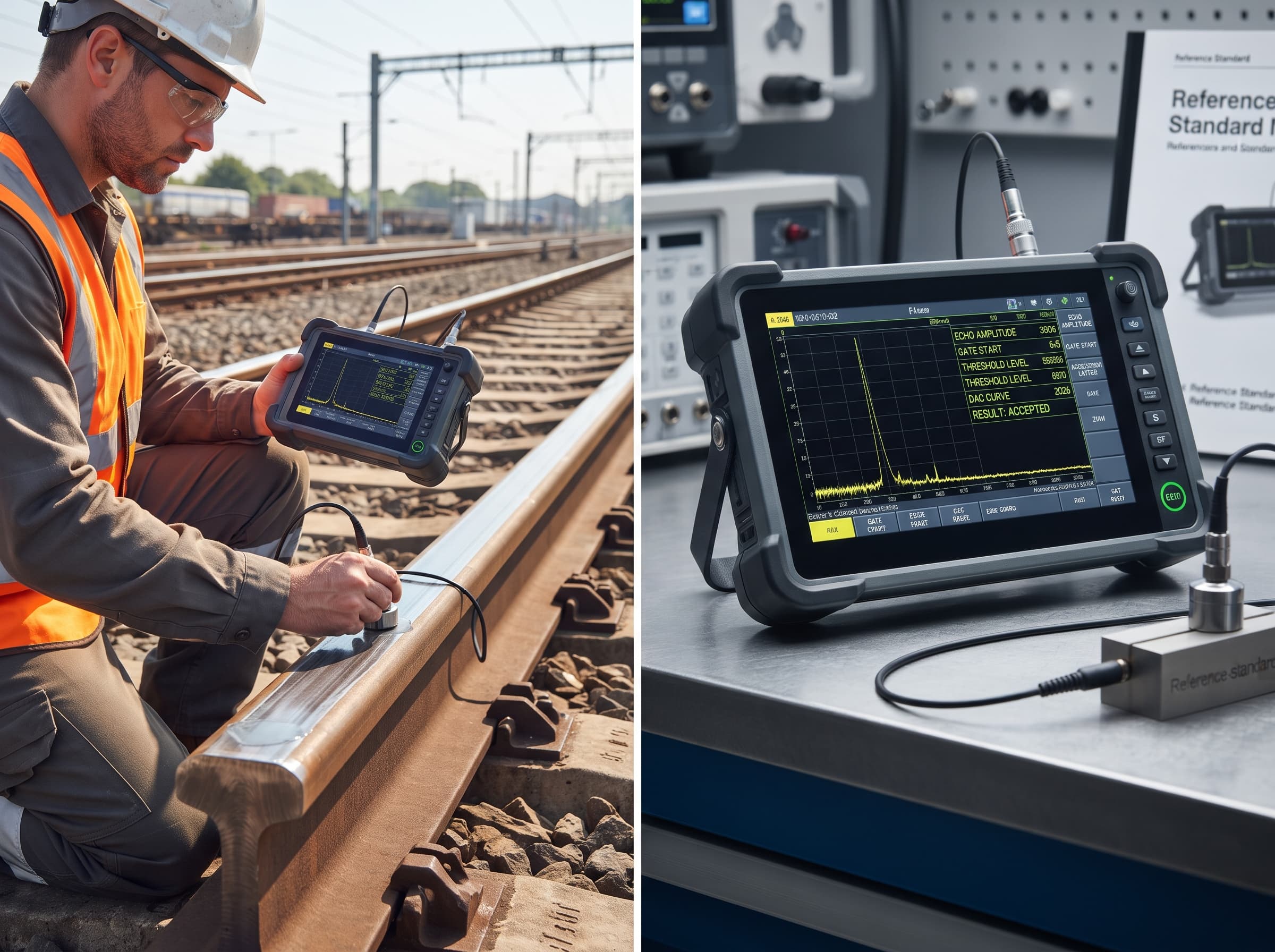
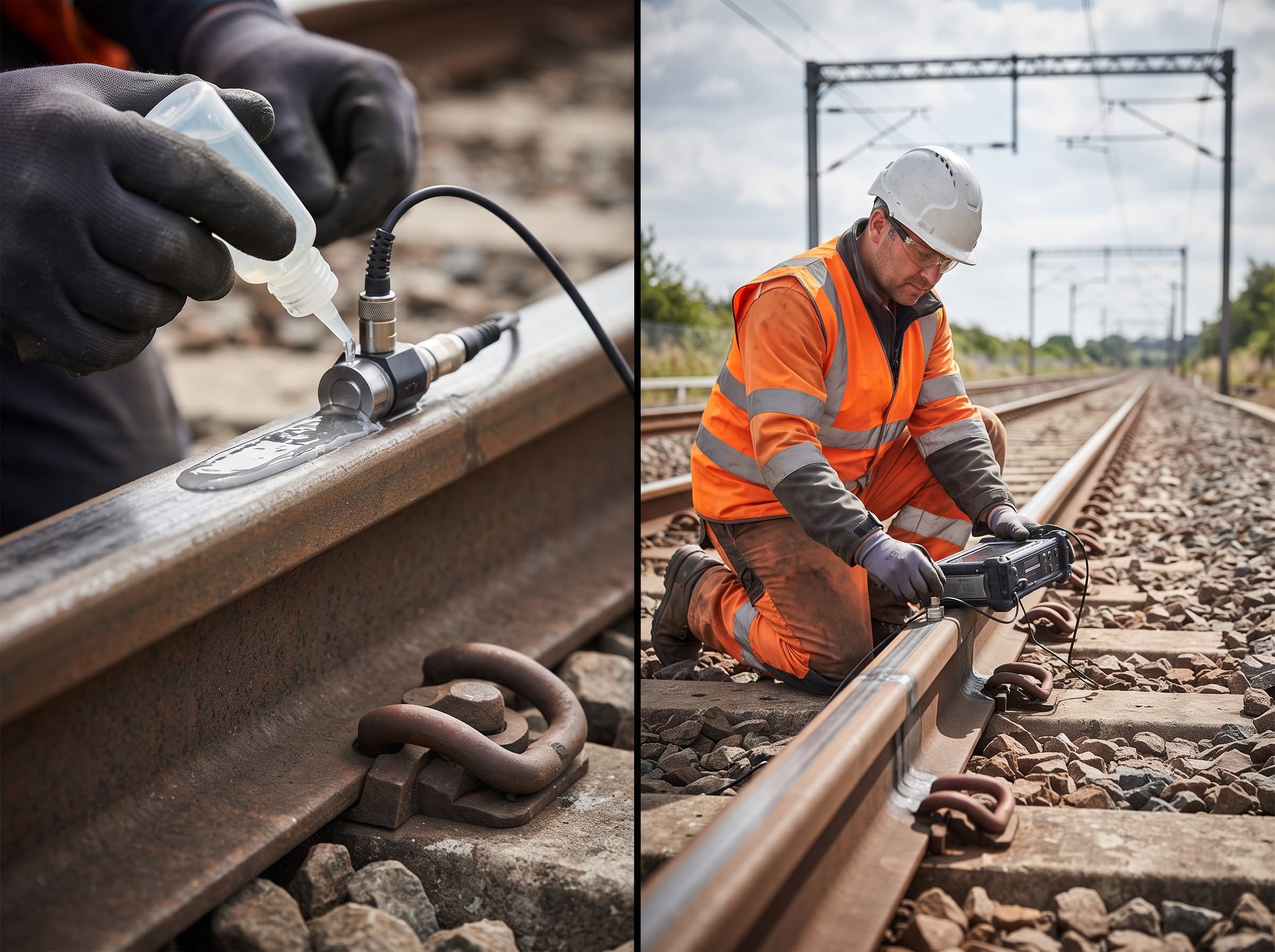
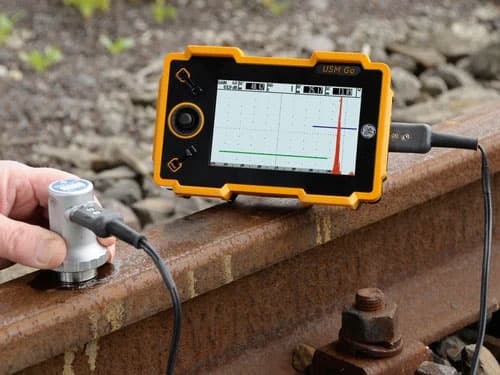
Ultrasonic testing is one of the most widely used methods for detecting internal rail defects. It sends high-frequency sound waves through the rail to identify hidden cracks or weaknesses. When sound waves reflect differently from expected patterns, inspectors know that a defect may be present.
This technique is vital in catching flaws that are invisible and would otherwise remain undetected until they cause serious damage.

Eddy-Current Testing

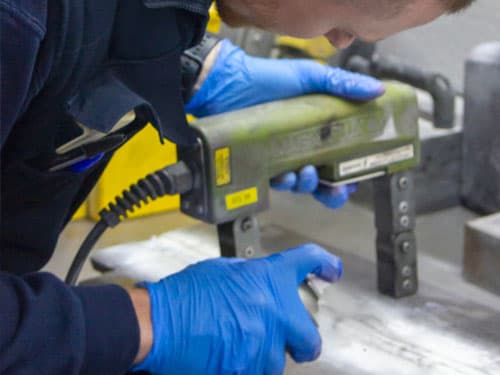
Eddy-current testing focuses on surface and near-surface flaws. It uses electromagnetic fields to highlight cracks, corrosion or other irregularities.
This method is especially effective in high-wear zones such as:

  • Rail joints
  • Curves
  • Braking areas

It offers high precision and helps operators address problems before cracks spread deeper.

Ground Penetrating Radar (GPR)

Ground Penetrating Radar gives teams a view beneath the surface. It sends radio waves into the ballast and track bed to identify voids, trapped moisture and subgrade instability.

With GPR, operators can locate hidden problems that affect track support, issues that traditional visual checks usually miss. This insight helps prevent sudden failures caused by weak foundations.

Laser and 3D Scanning Systems

Laser-based systems and 3D scanners measure the rail’s surface and geometry at high speed. They capture clear data on alignment, gauge, profile and surface condition.
These systems help identify:

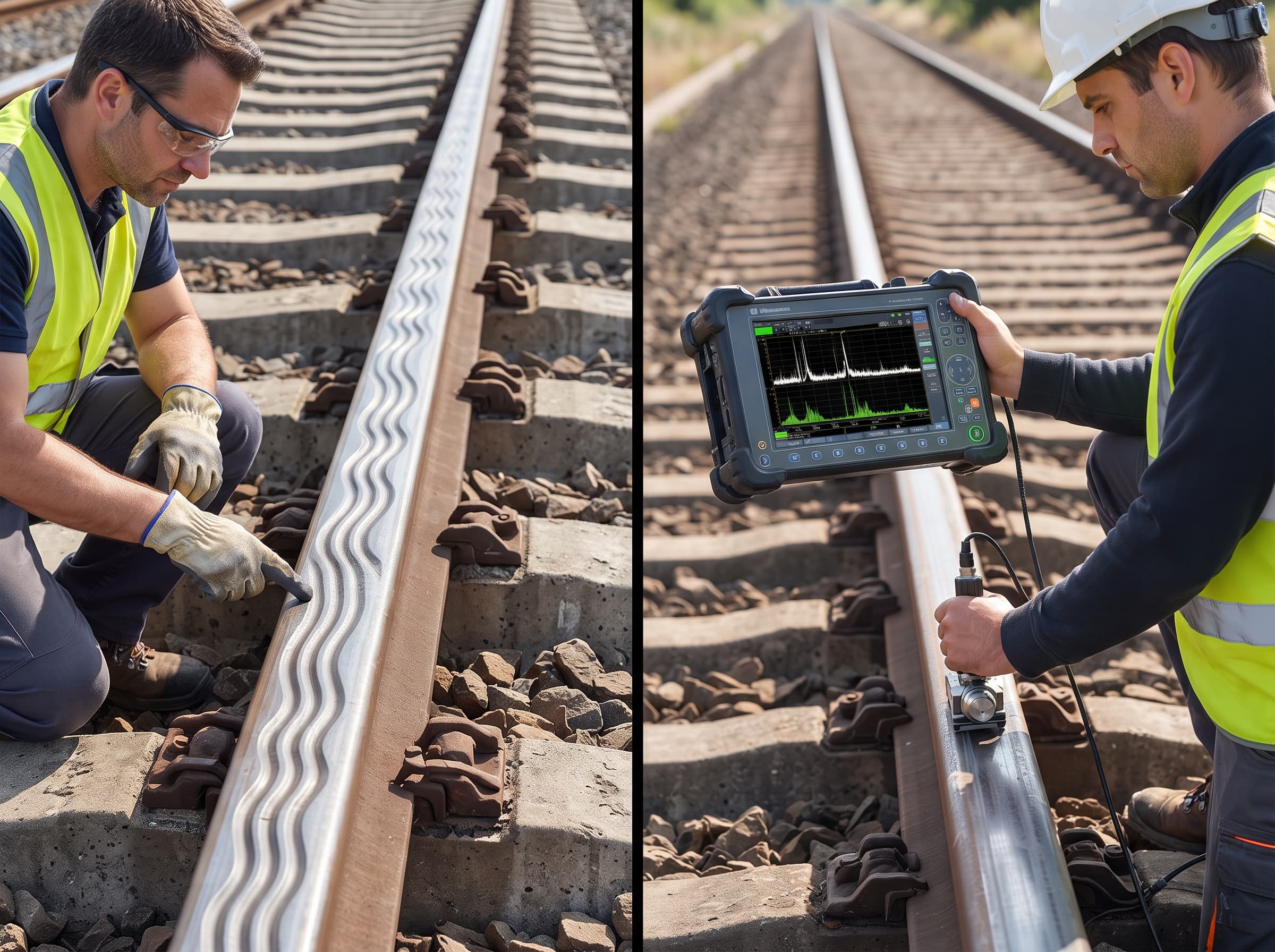
  • Rail corrugation
  • Worn profiles
  • Alignment issues
  • Surface cracks

Because the scans are highly detailed, they allow teams to track changes over time and plan maintenance more efficiently.

Optical Inspection with High-Speed Cameras and AI

High-speed optical systems can record thousands of images per second as trains move along the track. AI algorithms then analyse these images to detect cracks, missing components, foreign objects or worn parts.

This approach enables continuous monitoring, offering faster and more accurate results than manual inspections. It also reduces the risk of human error and speeds up decision-making.

Thermal and Acoustic-Emission Sensors

Thermal imaging highlights areas where heat patterns indicate stress, friction or overheating components. Acoustic-emission sensors listen for stress waves produced by cracks as they grow.

Together, these tools provide early warnings that help maintenance teams intervene before a fault becomes critical, a crucial advantage in high-speed, high-frequency networks.

These technologies form a complete inspection framework, but the biggest improvements arrive when they are combined in integrated inspection systems… and that is exactly where the next section will take the reader.

Integrated Inspection Systems

Modern rail networks depend on integrated inspection systems that combine multiple tools into one coordinated process. Mass Transit Rail Inspection becomes more reliable and efficient when these systems work together, giving operators a clear picture of the track’s health from the surface to the subsurface. These solutions reduce manual labour, speed up inspections and ensure consistent data across the entire network.

Automated Inspection Vehicles

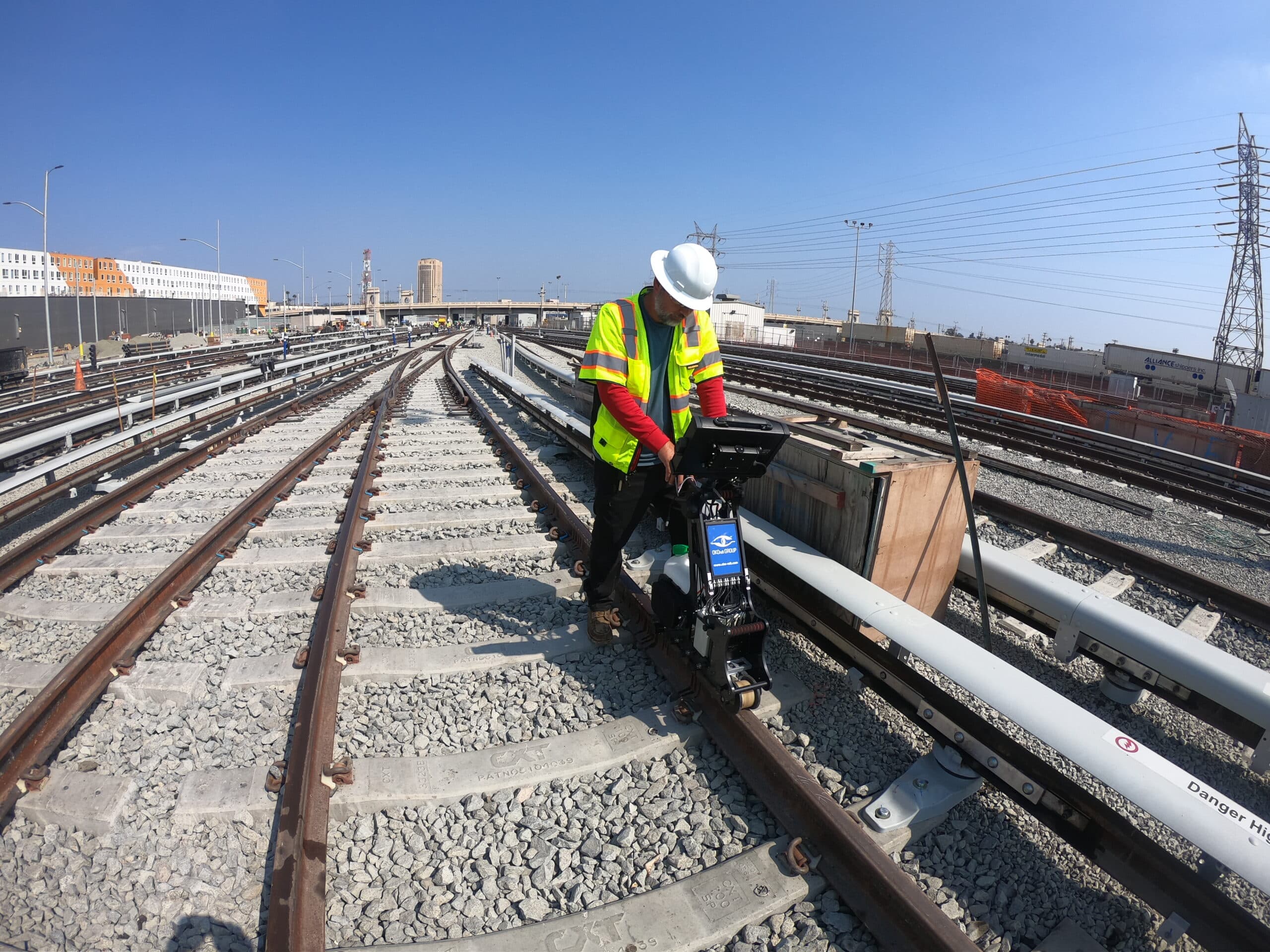
Automated inspection vehicles travel along the track and perform continuous, high-speed monitoring. They carry a mix of technologies such as ultrasonic units, lasers, cameras and thermal sensors. This allows them to inspect large distances quickly without disrupting daily services.

Key advantages include:

  • Faster coverage of long routes
  • Consistent and high-quality data
  • Reduced need for track closures

These vehicles act as moving laboratories, gathering information that manual teams cannot capture with the same speed or detail.

GIS, GPS and Accelerometer-Based Mapping

Geographic Information Systems (GIS), GPS positioning and accelerometers help map defects with exact locations. When inspectors identify cracks, twists or weak sections, these systems record:

  • The precise coordinates
  • The level of track movement
  • The severity of vibration or instability

This information supports maintenance planning and ensures rapid responses. Accurate mapping also helps predict which areas may fail next, guiding operators toward smarter, data-driven decisions.

Digital Platforms for Tracking Defects and Scheduling Maintenance

Digital platforms store inspection data and turn it into clear maintenance plans. Teams can track each defect from the moment it is found until the repair is complete.
These platforms often include:

  • Real-time dashboards
  • Automatic alerts for severe defects
  • Work scheduling tools
  • Long-term asset history

By centralising all information, operators can avoid missed repairs, reduce downtime and plan maintenance in a predictable way. The shift from reactive to proactive management becomes far easier, and this shift prepares the ground for even more advanced solutions.

New and Advanced Solutions

As technology evolves, inspection methods continue to improve. Mass Transit Rail Inspection now uses a range of innovative tools that enhance accuracy, reduce human risk and capture data in places once considered difficult to access. These advances signal a major change in how rail systems operate and maintain their assets.

Drones with LiDAR

Drones equipped with LiDAR can scan large rail corridors from above. They create detailed 3D maps showing vegetation, structural clearances, overhead hazards and track alignment.
Benefits include:

  • No need for staff to enter dangerous zones
  • Rapid surveying of long routes
  • High-accuracy digital models for planning

Drones are especially useful after storms, landslides or flooding, when quick assessments are essential.

AI-Based Analysis and Computer Vision

AI systems analyse images and sensor data to detect faults automatically. Computer vision tools review thousands of frames per second and identify cracks, loose fasteners, missing components or rail wear.

This technology reduces manual inspection errors and helps teams respond to problems before they grow. AI also learns from past data, improving its accuracy over time.

Robotic Inspection Tools

Robotic platforms are used in tunnels, confined spaces and high-risk areas. They carry sensors and cameras, performing inspections that would otherwise expose workers to hazards.

These tools offer:

  • Access to difficult locations
  • Stable and repeatable inspection routes
  • Detailed imagery and sensor readings

They are especially valuable in underground transit systems where human entry may be restricted.

Smart Sensors for Real-Time Monitoring

Smart sensors installed along the track continuously measure vibration, temperature, alignment and load. They send instant alerts when conditions exceed safe limits.
These sensors help detect:

  • Track movement
  • Excessive heat
  • Early crack growth
  • Unusual train impacts

Real-time monitoring forms the foundation of predictive maintenance, allowing operators to intervene early and reduce service disruptions. These advanced solutions point toward a future where rail networks manage themselves through live data and automated analysis, setting the stage for even safer mass transit systems.

Regulatory Requirements and Industry Standards

Rail operators must follow strict regulatory requirements to maintain safe and reliable networks. These rules guide how Mass Transit Rail Inspection is carried out, how often it must be performed and which technologies are allowed. 

Strong standards ensure every inspection meets the same safety expectations, regardless of the network size or location. They also create a framework that supports new technology as the industry evolves.

Inspection Rules for Mass Transit Systems

Mass transit systems follow set inspection intervals to ensure no part of the track is left unchecked. These rules cover:

  • Minimum inspection frequency
  • Approved inspection methods
  • Thresholds for acceptable wear or defects
  • Criteria for urgent repairs

Inspections must also be documented, with records kept for audits and safety reviews. This documentation ensures every decision can be traced and justified.

Technology-Based Inspection Allowances

Regulators increasingly approve technology-based inspection options, allowing transit agencies to use modern tools such as ultrasonic systems, high-speed cameras and automated vehicles. These allowances help operators:

  • Replace some manual inspections with automated ones
  • Perform inspections at higher speed
  • Capture more accurate and consistent data

By accepting advanced inspection systems, regulators encourage continuous improvement while maintaining safety standards.

Impact on Safety and System Compliance

Stronger rules and updated standards directly improve reliability and passenger safety. Consistent compliance means fewer defects go unnoticed and maintenance teams can respond faster. Operators who meet or exceed the required standards benefit from:

  • Reduced accident risk
  • Lower operational disruptions
  • Greater public confidence

With rising demand for safe and efficient public transport, compliance becomes a crucial foundation for future improvements. And those improvements lead directly to the next major area.

Benefits and Future Trends

The combined effect of modern inspection technologies and strict safety standards brings clear benefits to both rail operators and passengers. Mass Transit Rail Inspection has shifted from a reactive task to a proactive process, helping prevent problems before they disrupt service. This shift supports long-term planning and paves the way for advanced, data-driven maintenance strategies.

Early Detection and Fewer Failures

Modern inspection tools find faults earlier than ever before. Early detection means teams can fix small defects before they grow into major hazards. This reduces:

  • Rail breaks
  • Track geometry issues
  • Sudden service delays

Fewer failures also improve the overall reliability of the network.

Predictive Maintenance Driven by AI

AI systems analyse long-term data patterns to predict when components will fail. Instead of waiting for problems to appear, teams can plan repairs in advance.
Predictive maintenance supports:

  • Better resource allocation
  • Fewer emergency repairs
  • A more stable maintenance schedule

This approach marks a major step toward fully data-led operations.

Lower Long-Term Maintenance Costs

Although advanced inspection tools require investment, they reduce long-term costs by preventing large-scale replacements and emergency shutdowns. When minor issues are caught early, the repairs are simpler, cheaper and far less disruptive.

Move Toward Automated and Continuous Monitoring

Continuous monitoring systems, including smart sensors and automated inspection vehicles, remove gaps between inspections. They provide real-time updates and track changes as they occur. The result is a network that is constantly supervised without relying solely on scheduled checks.

Enhanced Passenger Safety Through Data-Driven Decisions

Ultimately, all improvements point to one outcome: safer journeys. With accurate data, advanced analytics and continuous monitoring, operators can make faster and more precise decisions.
Passengers benefit from:

  • Fewer delays
  • Reduced safety risks
  • More reliable daily travel

The industry continues moving toward smarter, connected and automated systems, bringing the future of safe and efficient rail travel even closer.

Overall, passenger safety depends on thorough and precise rail inspections. Our ultrasonic examination detects hidden rail defects, while our Level III services ensure expert oversight and compliance. Keep mass transit safe and reliable with our professional NDT solutions. 

Conclusion

A strong rail network depends on timely inspections, accurate data and reliable maintenance practices. Mass Transit Rail Inspection brings these elements together by identifying faults early, strengthening system performance and reducing the risks that come with high-frequency travel. 

With modern technologies, integrated inspection systems and real-time monitoring, operators can address threats long before they impact passengers.

As rail systems expand and daily demand increases, the shift toward automated tools, AI-driven analysis and predictive maintenance becomes essential. 

These advances support safer operations, lower long-term costs and more dependable journeys for the public. By adopting the latest inspection methods and meeting strict regulatory standards, transit agencies can create a safer, more resilient and future-ready rail network.

Key Points

  • Mass Transit Rail Inspection identifies hidden and visible defects that threaten passenger safety across busy transit networks.
  • Internal rail defects, surface wear, ballast issues and poor track geometry are major contributors to rail failures.
  • Ultrasonic, eddy-current, laser, optical, thermal and GPR technologies detect defects at different depths and locations.
  • Automated inspection vehicles perform fast, continuous inspections and collect consistent, high-quality data.
  • GIS, GPS and accelerometer-based tools map defects with precise location and severity details.
  • Digital platforms track defects, manage records and schedule maintenance more efficiently.
  • New solutions such as drones with LiDAR, robotic tools and AI-driven analysis improve accuracy and access to difficult areas.
  • Smart sensors enable real-time monitoring, providing instant alerts when track conditions become unsafe.
  • Regulatory standards define inspection frequency, approved methods and documentation requirements for compliance.
  • Early detection, predictive maintenance and continuous monitoring reduce failures, lower costs and enhance passenger safety.

FAQs


How does inspection technology improve long-term maintenance and costs?

By detecting faults early, Mass Transit Rail Inspection enables predictive maintenance driven by AI. This means fewer emergency repairs, more efficient scheduling, and lower long-term maintenance costs, all while improving safety for passengers.

Are there digital platforms to manage inspection data and maintenance?

Yes. Modern inspection systems use digital platforms (e.g. web GIS dashboards) that collect defect data, send alerts, prioritise repairs, and track maintenance work. This centralises information and makes defect management more efficient.

How do GIS, GPS and accelerometers help in rail inspection?

These tools allow inspectors to map defects with high precision: they record the exact location of faults, measure track movement, and monitor vibration or instability. This makes maintenance planning more accurate and effective.