

Rail travel in the United States moves millions of people and tons of freight every day, yet ensuring rail safety in the United States remains a complex challenge. Accidents, derailments, and hazardous material incidents highlight the importance of strict safety measures, advanced technologies, and ongoing monitoring to protect both passengers and infrastructure.
This article explores the key challenges facing the U.S. rail system, the progress made through regulatory frameworks like FRA rail safety rules, and the modern solutions that are transforming rail safety.
From rail incident prevention strategies to U.S. railway inspection technologies, derailment prevention systems, and rail infrastructure safety measures, readers will gain a clear understanding of how the rail industry works to keep the nation’s trains running safely.
Regulatory Framework & Safety Rules
Rail safety in the United States relies heavily on a strong regulatory framework. Federal rules and oversight ensure that railroads maintain safe tracks, trains, and operations. The FRA sets standards, enforces compliance, and continuously updates safety regulations to address emerging risks.
Role of the Federal Railroad Administration (FRA)
The Federal Railroad Administration (FRA) plays a central role in ensuring rail safety in the United States. It sets standards, enforces compliance, and oversees inspections to minimize accidents and protect both passengers and freight.
Major Regulations and Rules
Key regulations include Track Safety Standards (49 CFR Part 213), which cover track structure, rail inspections, welded rails, and internal rail‑flaw testing. Recent FRA rules address crew staffing, signal and dispatcher certification, emergency breathing equipment for hazardous material transport, fatigue risk management, locomotive image recording devices, and freight‑car manufacturing standards.
Safety Oversight
To ensure compliance, the FRA conducts regular inspections, audits, enforcement actions, and incident investigations, helping railroads adhere to safety protocols and maintain high standards.
Key Challenges Facing Rail Safety in the U.S.
Despite regulatory oversight, rail safety in the United States still faces several challenges. Aging infrastructure, human error, hazardous materials transport, and issues at grade crossings all contribute to rail incidents. Understanding these challenges is key to improving safety and preventing future accidents.
Track Defects and Infrastructure Deterioration
Ongoing wear and tear, internal rail flaws, weak rail fasteners, and track geometry issues remain leading causes of derailments, highlighting the importance of regular inspections and maintenance.
Human Error and Operational Mistakes
Mistakes by crew members, signal operators, or dispatchers contribute to incidents, often compounded by fatigue, showing the need for strict operational protocols and training.
Highway‑Rail Grade Crossings and Trespassing
Grade crossing accidents and trespassing on rail rights-of-way account for a significant portion of rail-related fatalities, emphasizing the need for better public awareness and crossing safety measures.
Transport of Hazardous Materials
The movement of hazardous materials carries additional risks, making strict adherence to standards and safe transport practices essential to prevent accidents.
Progress & Results: Improvements in Rail Safety
Rail safety in the United States has improved significantly over the past decades. Advances in regulations, enforcement, and technology have contributed to a steady decline in accidents, derailments, grade‑crossing incidents, injuries, and fatalities across the U.S. rail system. These improvements show that consistent oversight and safety-focused investment can make a measurable difference.
Decline in Accidents and Fatalities
Statistics indicate that derailments, collisions, and grade-crossing accidents have decreased over time. These reductions reflect enhanced safety protocols, better employee training, and stricter adherence to FRA rail safety rules.
Enhanced Safety Culture and Enforcement
Railroads are now more proactive in maintaining safety standards. Regular inspections, audits, and focused enforcement by the FRA have strengthened compliance. Rail operators are encouraged to adopt a safety culture, where employees actively participate in incident prevention and risk mitigation.
Infrastructure Investments
Significant national programs fund rail safety improvements, including grade crossing eliminations through overpasses or underpasses, upgrades to track and bridges, and modernization of rail corridors. These investments not only prevent accidents but also improve the efficiency and reliability of the rail system.
Stricter Freight-Car Safety Standards
Implementation of tighter freight-car manufacturing and maintenance standards has reduced the risk of accidents caused by rolling stock failures. Modernized freight cars with improved safety features ensure safer transport of cargo, including hazardous materials.
Modern Solutions & Technologies
Modern technology plays a key role in enhancing rail safety in the United States. Railroads now combine automated systems, real-time monitoring, and predictive maintenance to detect hazards early and prevent accidents before they occur.
Automated Track Inspection Technologies
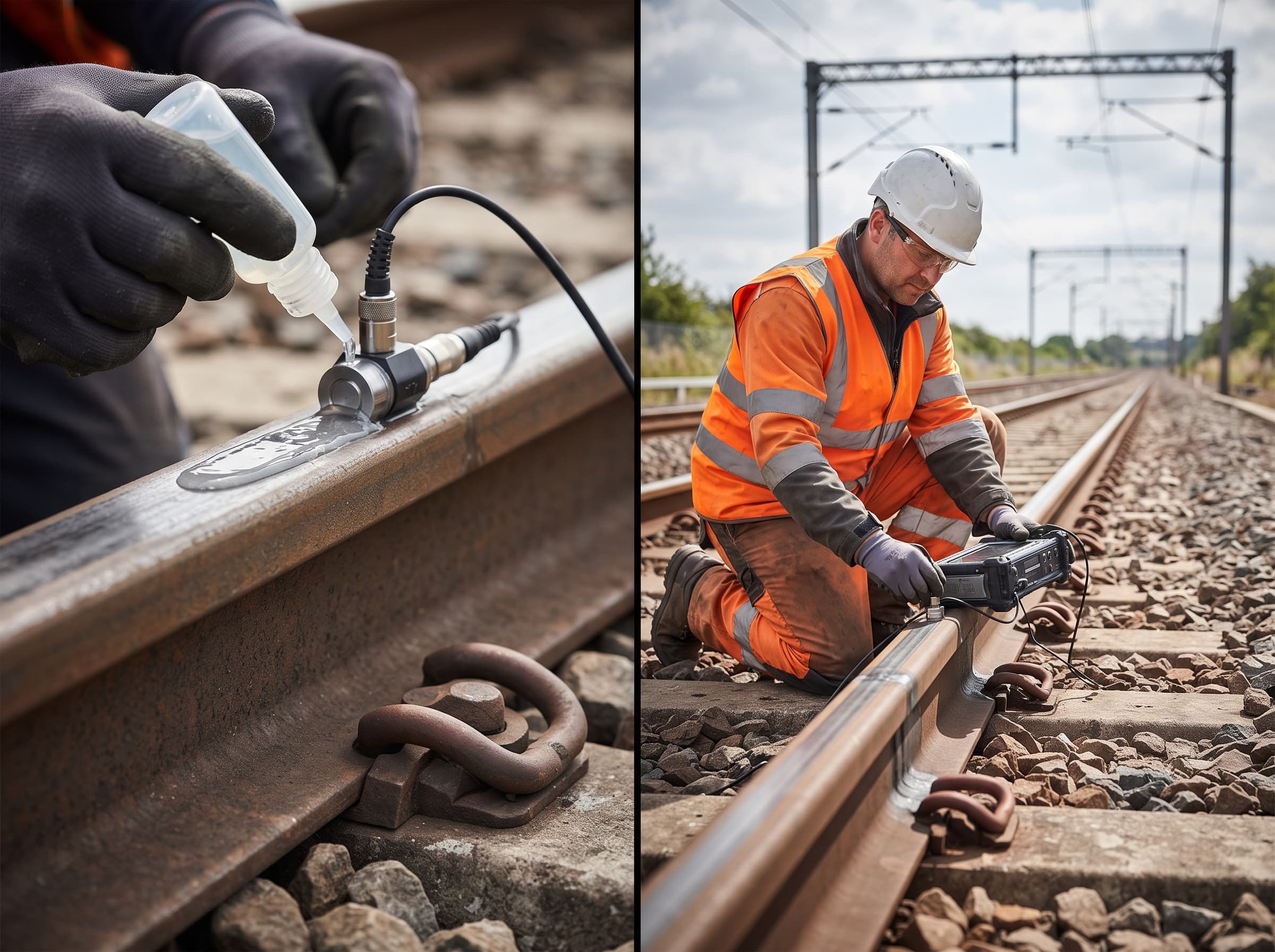
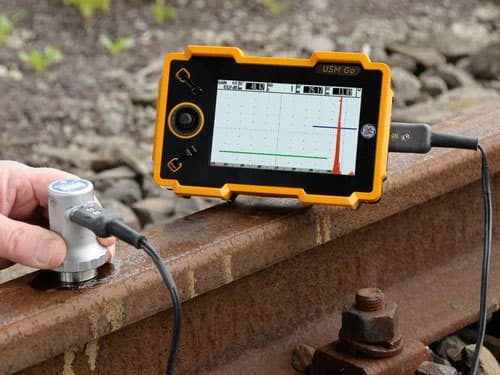
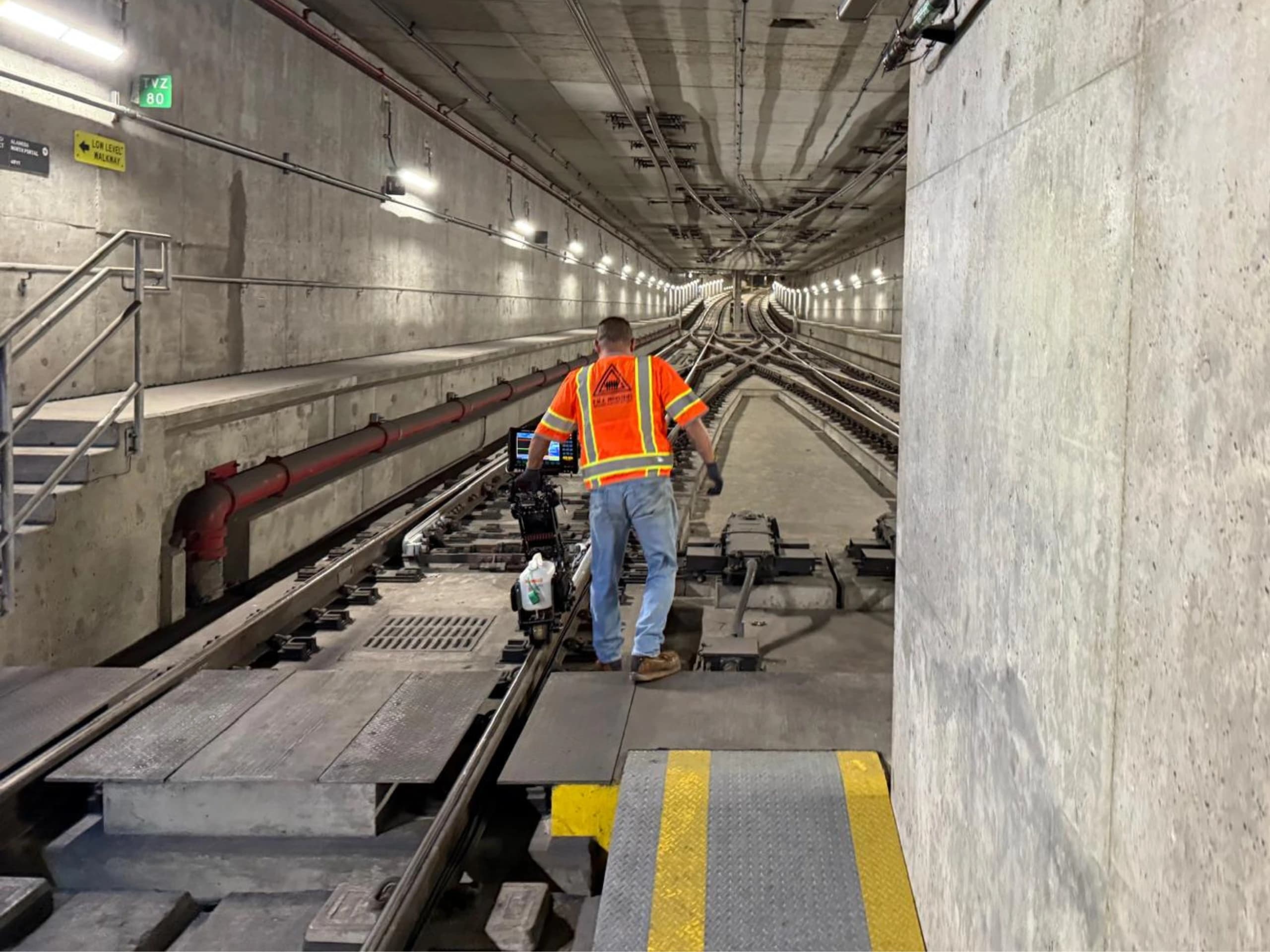
Measurement cars equipped with advanced sensors inspect track geometry, gauge, alignment, and internal rail flaws. These systems detect defects invisible to the naked eye, enabling timely maintenance and reducing the likelihood of derailments.
Track Geometry Measurement Systems (TGMS)
Specialized inspection cars, such as T‑16 and T‑18, assess track conditions dynamically at high speeds. TGMS technology identifies deviations and unsafe conditions, allowing operators to correct problems before accidents occur.
On-Board Monitoring Systems
Rolling stock is now equipped with real-time monitoring systems for wheels, bearings, and brakes. These systems alert operators to mechanical defects, preventing accidents caused by faulty equipment.
Data Analytics and Predictive Maintenance
Rail companies increasingly use data analytics and sensors to track maintenance needs and detect patterns that could indicate risk. Predictive maintenance replaces purely reactive approaches, improving safety and reducing operational downtime.
Smart Highway-Rail Grade Crossing Improvements
Advanced detection and signaling systems, combined with public education campaigns (such as those led by Operation Lifesaver), have made highway-rail grade crossings safer. These solutions help prevent collisions and improve awareness for drivers and pedestrians.
Remaining Gaps and What Needs More Work
While rail safety in the United States has improved significantly, several challenges still require attention. Ongoing risks from human error, aging infrastructure, and insufficient safety technology highlight the need for continued focus and investment. Addressing these gaps is essential to prevent accidents and ensure safer operations across the rail network.
Track Defects and Human Error
Despite advances in inspection and maintenance, accidents related to track defects and operational mistakes remain substantial. Continuous vigilance, strict adherence to safety rules, and enhanced employee training are crucial to reducing these risks.
Highway-Rail Crossings and Trespassing
Grade crossings and trespassing incidents continue to account for a large portion of rail-related fatalities. Stronger crossing safety measures, better signaling, and public education programs are needed to minimize these accidents.
Wider Deployment of Modern Technologies
Modern inspection and monitoring technologies are not yet uniformly implemented across all railroads, especially among freight carriers. Expanding these technologies can reduce disparities in safety investments and help prevent accidents across the entire rail system.
Proactive Maintenance and Hazard Management
Regular maintenance, infrastructure upgrades, and proactive hazard identification remain key to preventing accidents. Railroads must focus on detecting potential risks early rather than relying solely on reactive measures after incidents occur.
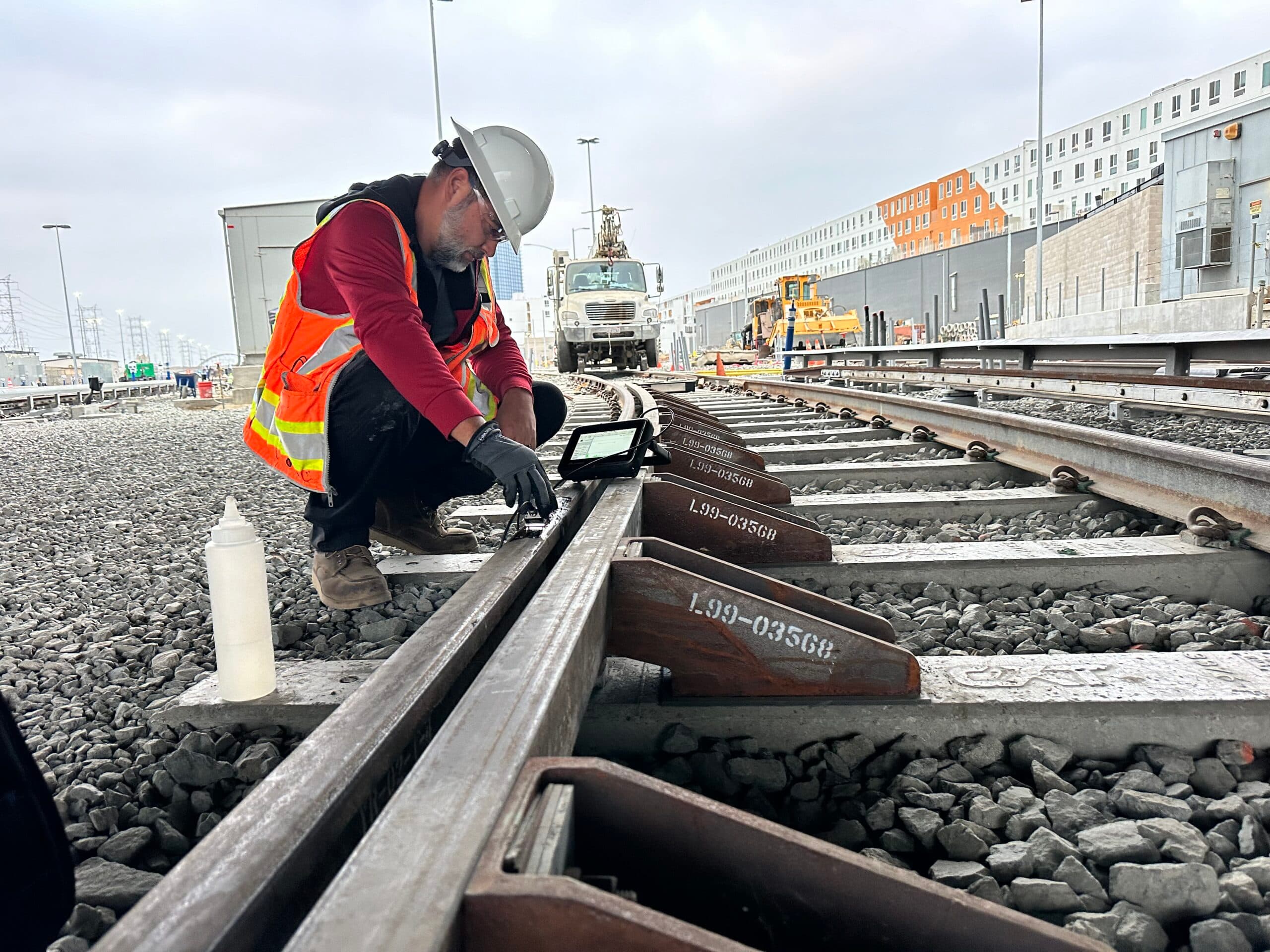
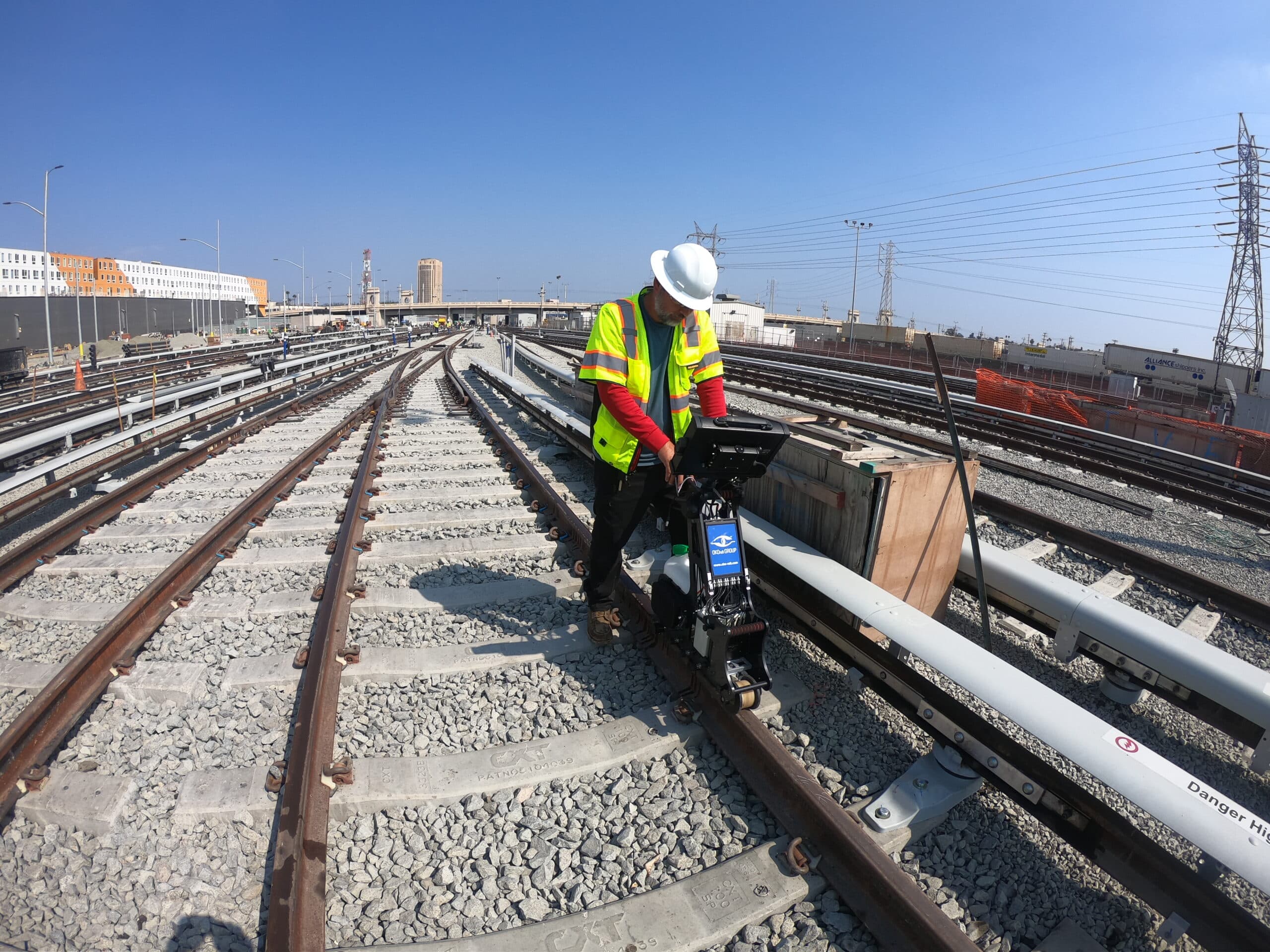
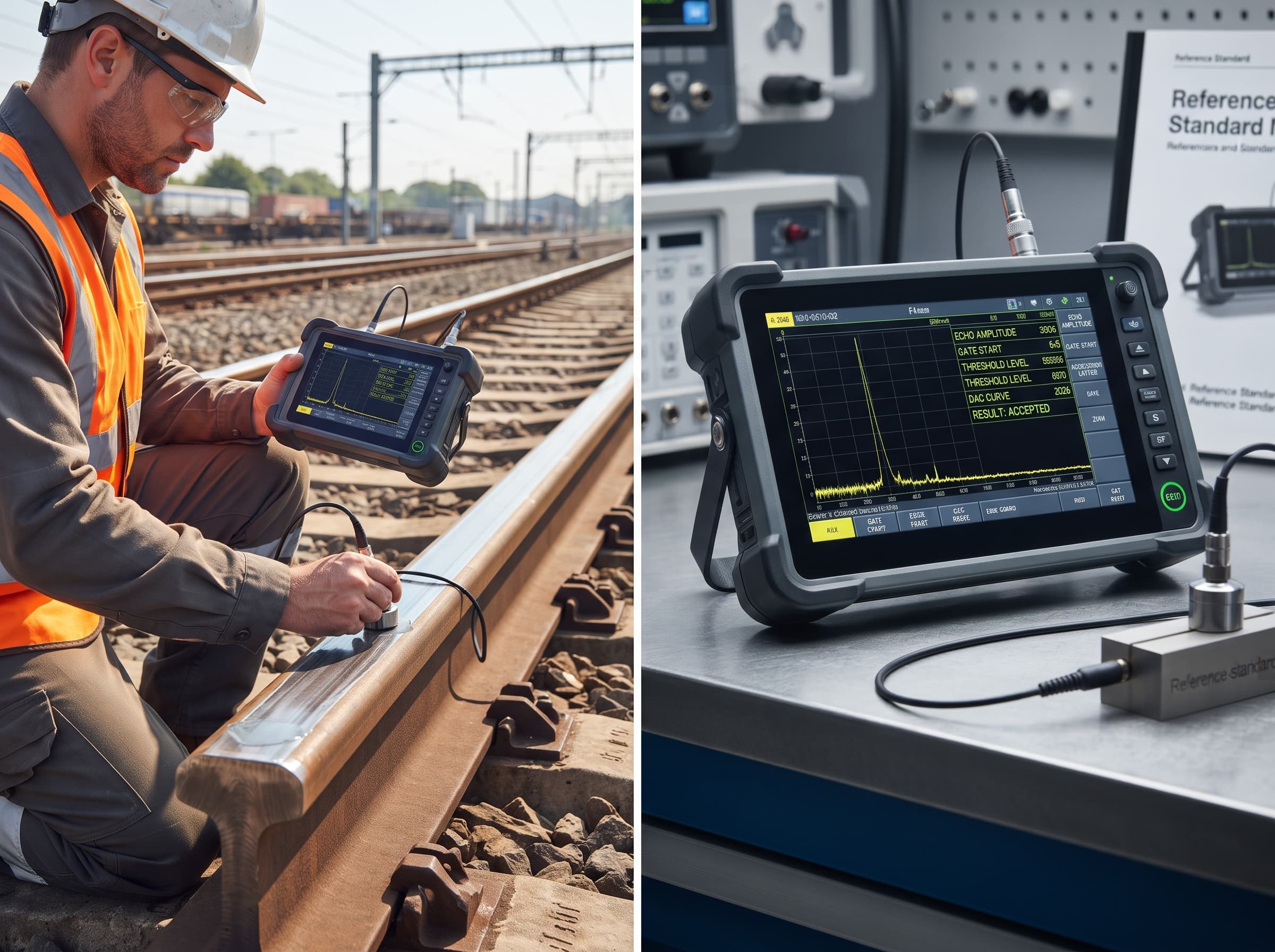
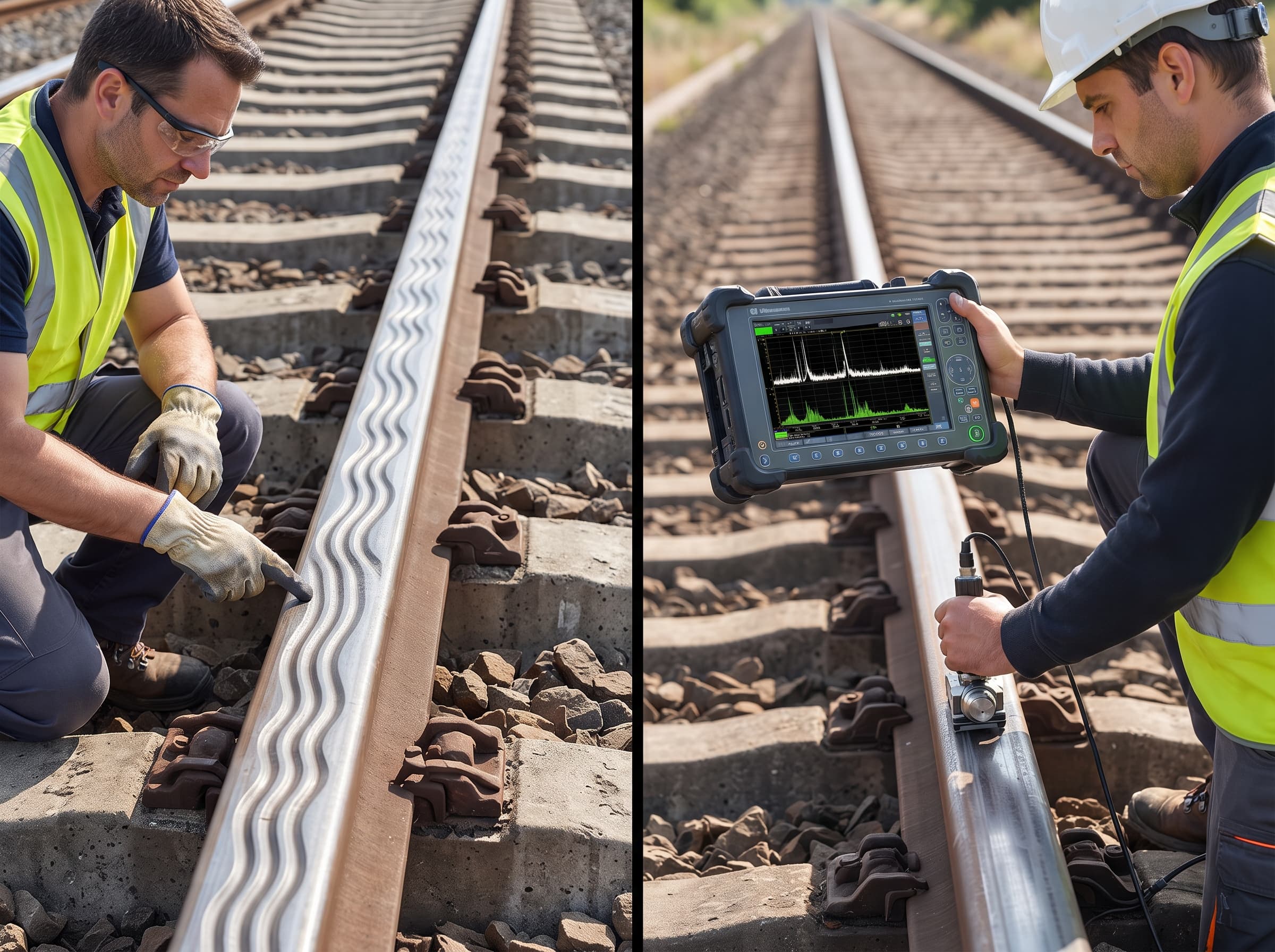
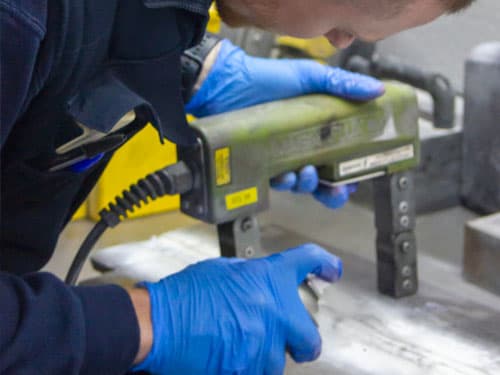
Overall, Modern rail safety depends on accurate inspections and reliable testing methods. Our ultrasonic examination services help identify internal rail defects before they become hazards, while our Level III services ensure expert oversight and compliance with safety standards. Strengthen your rail safety strategy with our trusted NDT solutions.
Conclusion
Rail safety in the United States has come a long way, thanks to strong regulations, proactive enforcement, and advances in technology. FRA rail safety rules, modern inspection systems, and infrastructure investments have all contributed to a significant decline in accidents, derailments, and fatalities.
However, challenges remain. Human error, aging infrastructure, highway‑rail crossings, and disparities in technology deployment continue to pose risks. Continued investment in rail infrastructure safety, wider adoption of U.S. railway inspection technologies, and a focus on proactive maintenance and public education are essential.
By combining regulatory oversight, innovative solutions, and a strong safety culture, the U.S. rail system can continue to move passengers and freight safely while minimizing risks and incidents.
Key Points
- Rail safety in the United States is critical for protecting passengers, freight, and infrastructure from accidents and derailments.
- The Federal Railroad Administration (FRA) sets safety standards, enforces compliance, and oversees inspections across all U.S. railroads.
- Key regulations include Track Safety Standards (49 CFR Part 213) and recent FRA rules covering crew staffing, hazardous materials, and fatigue management.
- Major challenges include track defects, infrastructure deterioration, and human error, which remain leading causes of rail accidents.
- Highway‑rail grade crossings and trespassing are major contributors to rail-related fatalities, highlighting the need for public awareness and safety measures.
- Railroads have seen a decline in accidents and fatalities over time due to better regulations, safety culture, and enforcement.
- Infrastructure investments, such as crossing eliminations, track and bridge upgrades, and corridor modernization, have improved overall rail safety.
- Modern technologies like automated track inspection systems, Track Geometry Measurement Systems (TGMS), and on-board monitoring detect hazards before accidents occur.
- Data analytics and predictive maintenance allow railroads to proactively identify risks and maintain safer operations.
- Remaining gaps include uneven deployment of modern technologies, continued human error, and infrastructure risks, emphasizing the need for proactive maintenance, investments, and public education.
FAQs
What can communities and individuals do to support rail safety?
People should obey crossing signs, never trespass on tracks, treat railway crossings seriously, educate others about rail‑track danger and support public and regulatory efforts to invest in safer infrastructure and rail‑inspection technologies.
How does infrastructure investment contribute to rail safety?
Funding for upgrading tracks, replacing bridges, eliminating dangerous grade crossings, and modernizing rail corridors reduces risk of structural failures, improves reliability, and lowers accident potential.
What still needs to improve in U.S. rail safety?
Key gaps include widespread use of modern inspection and monitoring technologies across all railroads (including freight carriers), consistent maintenance of aging infrastructure, improved safety at crossings, and stronger public education to reduce trespassing and crossing‑related risks.