


In-House vs Outsourced Rail Inspection: Which Approach Is Right?

In-House vs Outsourced Rail Inspection

In-House vs Outsourced Rail Inspection has become one of the most important discussions in modern rail operations. In-House vs Outsourced Rail Inspection also influences how quickly rail operators detect faults, respond to emergencies, and manage inspection costs across expanding rail networks.

Rail infrastructure experiences constant stress every day. Heavy freight movement, passenger traffic, weather exposure, and aging track systems all increase the risk of wear and damage. Even a small defect can grow into a major operational issue if inspections fail to identify problems early.

Because of this, rail operators must choose the right inspection strategy carefully. Some organizations rely on internal inspection departments that manage everything directly. Others hire specialist firms with advanced tools and certified expertise. Both approaches offer advantages, but each also comes with operational risks that decision-makers cannot ignore.

The decision becomes even more challenging as rail technology evolves. Inspection systems now use automation, predictive analytics, ultrasonic testing, and digital monitoring tools. Operators therefore need a solution that balances efficiency, expertise, compliance, and long-term value.

What Is the Difference Between In-House Management and Outsourced Management?

The difference between in-house management and outsourced management depends on who performs and controls the operational work. In-house rail inspection uses internal employees, company-managed resources, and direct oversight. Outsourced rail inspection relies on third-party specialists who provide services under contractual agreements.

Internal inspection teams usually work within the organization’s maintenance or engineering department. These teams understand local operating conditions, maintenance schedules, and network-specific risks. They also communicate directly with internal departments, which often improves coordination during maintenance planning.

Outsourced inspection providers operate differently. These firms specialize in inspection services across multiple rail systems and industries. Their teams typically bring broader technical expertise and access to advanced diagnostic equipment.

The differences become clearer when both approaches are compared side by side.

FactorIn-House InspectionOutsourced Inspection
Cost StructureFixed investment costsVariable service costs
Operational ControlFull internal oversightShared external oversight
ExpertiseDepends on internal capabilitiesAccess to specialist inspectors
ScalabilityLimited flexibilityEasily scalable
Equipment OwnershipCompany-owned equipmentContractor-owned equipment
Data SecurityStrong internal controlDepends on agreements
Technology AccessBudget dependentOften includes advanced systems

Many rail operators choose internal management because it creates stronger operational visibility. Managers can monitor inspections directly and enforce company-specific procedures without external involvement.

However, outsourced providers often deliver broader technical support. Specialist firms usually work with advanced inspection systems that smaller rail operators may struggle to afford internally.

In-House vs Outsourced Rail Inspection decisions therefore involve more than simple cost comparisons. Organizations must also evaluate regulatory obligations, staffing capacity, technology requirements, and operational complexity.

Another important factor involves consistency. Internal teams often understand recurring defects within specific rail sections. That familiarity may improve long-term inspection accuracy because inspectors recognize patterns over time.

Outsourced firms, on the other hand, bring external experience from multiple rail environments. This broader exposure sometimes helps them identify risks that internal teams may overlook.

As rail systems continue to expand, the pressure to choose the right inspection model becomes even greater. Safety expectations continue rising, and operators face increasing demands for faster inspections and more accurate reporting.

That leads directly to an important question. Why do many organizations still prefer internal inspection teams despite growing outsourcing trends?

The Case for In-House Rail Inspection

Many rail operators continue to maintain internal inspection programs because they value operational control and direct oversight. In-House vs Outsourced Rail Inspection discussions frequently highlight the reliability and familiarity that internal teams provide.

Internal inspectors work closely with the same rail infrastructure every day. Over time, they develop detailed knowledge about track conditions, recurring maintenance issues, and high-risk operational zones. This familiarity often helps inspectors detect subtle changes before defects become serious problems.

Organizations also gain greater scheduling flexibility with internal teams. Inspection managers can adjust schedules immediately during emergencies, severe weather conditions, or unexpected maintenance events.

Key Advantages of In-House Rail Inspection

  1. Complete Operational Control

Internal teams allow organizations to control inspection schedules, reporting procedures, and maintenance coordination directly. Decision-making becomes faster because external approvals are unnecessary.

  1. Deep Understanding of Rail Assets

Inspectors who work on the same network regularly understand historical defects, infrastructure weaknesses, and maintenance patterns more effectively.

  1. Faster Emergency Response

On-site teams can respond quickly after incidents or operational disruptions. Faster inspections often reduce downtime and prevent further infrastructure damage.

  1. Stronger Data Ownership

Rail inspection data may contain sensitive operational information. Internal management helps organizations maintain tighter control over records and reporting systems.

  1. Long-Term Cost Stability

Large operators sometimes reduce long-term costs after initial investments in equipment and staffing. Predictable inspection schedules may also improve financial planning.

In-House vs Outsourced Rail Inspection evaluations often emphasize accountability as another major advantage of internal programs. Internal inspectors operate within the same organizational structure as engineers, maintenance supervisors, and operational managers.

This alignment improves communication and allows departments to coordinate corrective actions more efficiently.

Many operators also believe internal inspection teams strengthen organizational culture. Inspectors understand company priorities and often feel personally responsible for maintaining infrastructure safety.

Another advantage involves immediate availability. Outsourced providers frequently manage multiple contracts across different regions. Internal teams, however, focus entirely on their own rail network.

This distinction becomes especially important during peak operational periods. Heavy traffic seasons and severe weather conditions often demand rapid inspection deployment.

According to rail maintenance industry studies, organizations with established internal inspection programs often achieve faster incident response times than those relying entirely on external contractors. Faster intervention reduces service interruptions and helps prevent defect escalation.

Technology integration also becomes easier in some cases. Internal teams can work closely with maintenance departments to customize inspection procedures around operational requirements.

In-House vs Outsourced Rail Inspection decisions therefore involve more than technical capability alone. Many organizations view internal inspection programs as a strategic investment that supports long-term operational resilience.

Still, maintaining an internal inspection department requires significant commitment. Staffing, equipment upgrades, and ongoing certification programs all demand continuous financial support.

Even highly experienced internal teams can face unexpected limitations when networks expand or inspection demands increase rapidly.

The Limitations of In-House Rail Inspection

Although internal inspection programs provide operational control, they also introduce major financial and technical challenges. In-House vs Outsourced Rail Inspection comparisons often become more complicated once organizations calculate the true cost of maintaining internal capabilities.

Building an effective internal inspection department requires substantial investment. Rail operators must purchase specialized equipment, hire qualified personnel, maintain certifications, and continuously update inspection technologies.

These expenses create long-term pressure on operational budgets.

Modern rail inspection depends heavily on advanced systems like ultrasonic testing devices, automated track geometry measurement systems, and AI-assisted monitoring platforms. These technologies improve inspection accuracy, but they also increase operational costs significantly.

Smaller rail operators often struggle to justify these investments.

Common In-House Challenges

  • High capital expenditure for inspection equipment
  • Ongoing training and certification costs
  • Difficulty recruiting experienced inspectors
  • Limited access to advanced diagnostic technology
  • Resource strain during network expansion
  • Increased operational pressure during emergencies
  • Risk of internal bias during inspections

In-House vs Outsourced Rail Inspection discussions also highlight staffing concerns. Experienced rail inspectors remain in high demand across many regions. Recruiting and retaining qualified personnel can therefore become difficult and expensive.

Training adds another challenge. Inspection standards and compliance regulations evolve constantly. Internal teams require regular certification updates to remain aligned with industry requirements.

Technology upgrades create additional financial pressure. Inspection tools become outdated quickly as diagnostic methods improve. Organizations that delay modernization may struggle to identify defects accurately.

Resource limitations also affect operational flexibility. Internal departments may perform well during normal conditions but face serious strain during high-demand periods.

For example, rapid rail network expansion often requires additional inspectors, upgraded equipment, and more maintenance coordination. Smaller internal teams may struggle to handle these demands efficiently.

Objectivity becomes another concern in some situations. Internal teams operate within organizational structures that may face budget pressures or operational deadlines. This environment can sometimes influence inspection priorities unintentionally.

External specialists may provide more independent assessments because they operate outside internal management structures.

In-House vs Outsourced Rail Inspection evaluations increasingly focus on technological adaptability as well. Rail systems continue integrating predictive analytics, automated monitoring, and digital reporting tools. Organizations that fail to modernize inspection methods risk falling behind industry standards.

Compliance requirements further increase operational pressure. Rail safety regulations continue becoming more demanding across global markets. Internal teams must constantly update procedures, certifications, and reporting systems to remain compliant.

Many organizations eventually discover that maintaining internal inspection capability involves far more than staffing and equipment alone. It requires continuous investment, technical adaptation, and operational flexibility.

Even companies with experienced inspection departments sometimes struggle to keep pace with changing industry demands.

The Case for Outsourced Rail Inspection

Rail operators increasingly turn to specialist providers to improve efficiency, reduce costs, and access advanced technologies. In-House vs Outsourced Rail Inspection discussions now include a growing focus on scalability and technical expertise because modern rail systems demand faster and more accurate inspection methods.

Outsourced inspection firms usually specialize in diagnostics, compliance, and infrastructure assessment. These companies work across multiple rail networks and often maintain teams with highly specialized certifications. As a result, many operators see outsourcing as a practical solution for handling complex inspection demands.

Another major advantage involves technology access. Many third-party providers already own advanced equipment, which removes the need for operators to make large capital investments.

Key Advantages of Outsourced Rail Inspection

  1. Access to Specialist Expertise

Outsourced firms employ inspectors with advanced certifications and broad industry experience. These specialists often understand emerging inspection technologies better than smaller internal teams.

  1. Lower Capital Investment

Rail operators avoid purchasing expensive diagnostic equipment because contractors provide the required tools as part of the service agreement.

  1. Objective Third-Party Assessments

Independent inspections often deliver greater objectivity. External specialists focus purely on inspection accuracy and compliance reporting.

  1. Rapid Scalability

Contractors can deploy larger inspection teams quickly when operators expand networks or face sudden maintenance demands.

  1. Built-In Regulatory Knowledge

Specialist providers usually stay updated with evolving rail safety standards and compliance requirements across multiple jurisdictions.

In-House vs Outsourced Rail Inspection comparisons also show that outsourcing may improve operational flexibility. Operators can scale services up or down depending on seasonal demand, project size, or emergency situations.

Many outsourced providers also invest heavily in modern diagnostic technologies. These include automated track geometry systems, drone-based inspections, ultrasonic testing equipment, and predictive analytics platforms.

For smaller operators, accessing these technologies internally may not remain financially practical.

Industry reports also suggest that outsourced inspection services continue growing globally as rail operators modernize aging infrastructure. Specialist firms now support both public and private rail networks with high-speed inspection systems and digital reporting tools.

Another advantage involves workforce availability. External providers already maintain trained personnel, which reduces recruitment pressure for rail operators facing labor shortages.

In-House vs Outsourced Rail Inspection decisions therefore increasingly involve strategic resource planning rather than simple operational preference.

Some organizations also value the broader perspective that outsourced firms bring. Contractors work across multiple networks and frequently identify trends, risks, and best practices that internal teams may not encounter regularly.

Still, outsourcing does not solve every challenge automatically. Some rail operators discover that external partnerships create new concerns involving control, communication, and data security.

When Should an Organization Choose Not to Outsource?

Not every organization benefits from outsourcing rail inspection services. Some operators achieve better results through internal management because their operational structure, security requirements, or inspection frequency make outsourcing less practical.

In-House vs Outsourced Rail Inspection decisions should always consider operational sensitivity and long-term strategic priorities.

Certain rail systems operate under strict national security frameworks. Government-controlled infrastructure, defense-linked transport systems, and high-security industrial networks often limit external access to operational data.

In these cases, internal inspection teams may remain the safest option.

Situations Where In-House Inspection May Be Better

  • Highly sensitive or classified rail infrastructure
  • Established internal teams with proven inspection performance
  • Long-term inspection schedules that justify equipment investment
  • Strict data-sharing restrictions or regulatory controls
  • High inspection frequency that makes outsourcing expensive
  • Remote operational environments requiring constant on-site presence

Organizations with mature inspection departments may also gain stronger long-term value from internal operations. If experienced inspectors, certified personnel, and advanced equipment already exist internally, outsourcing may create unnecessary duplication.

Cost structure also matters. Frequent inspections across large networks can make recurring contractor fees more expensive than maintaining permanent internal teams.

Communication delays sometimes create operational risks as well. External providers may require formal approvals, scheduling coordination, or additional reporting processes before inspections begin.

Internal teams often respond faster during emergencies because they operate directly within the organization’s command structure.

In-House vs Outsourced Rail Inspection evaluations therefore require careful analysis rather than broad assumptions. Outsourcing may improve efficiency for one operator while creating operational complications for another.

Another concern involves continuity. Internal inspectors develop long-term familiarity with infrastructure behavior and maintenance history. That knowledge may become difficult to replicate through rotating external teams.

Some organizations therefore choose hybrid strategies instead of relying entirely on one model.

So how does an organization make the final call? A clear decision-making framework can cut through the uncertainty and it starts with five critical questions.

How to Choose the Right Approach for In-House vs Outsourced Rail Inspection

Selecting the right inspection strategy requires careful evaluation of operational needs, technical capabilities, and long-term goals. In-House vs Outsourced Rail Inspection decisions should align with network size, compliance requirements, and available resources.

No single solution works for every rail operator. Large national networks face different challenges than regional freight operators or industrial rail systems.

Evaluate Scale, Budget, and Network Complexity

Rail network size often shapes inspection strategy more than any other factor. Smaller operators may benefit from outsourcing because purchasing advanced inspection equipment creates heavy financial pressure.

Large operators, however, may reduce long-term costs through internal investment.

In-House vs Outsourced Rail Inspection comparisons should therefore include a detailed cost-benefit analysis. Decision-makers must calculate staffing costs, equipment investment, contractor fees, and long-term operational efficiency.

Complex rail networks may also require specialized inspections that internal teams cannot fully support.

Assess Internal Expertise and Certification Gaps

Organizations should evaluate whether internal teams hold the certifications and technical expertise required for modern rail inspection.

Some internal departments perform routine inspections effectively but lack experience with advanced diagnostics or digital monitoring systems.

Gap analysis helps identify areas where specialist support may improve inspection quality.

The Hybrid Model: Combining Both Approaches

Many large rail operators now use hybrid inspection models that combine internal oversight with outsourced specialist support. This approach allows organizations to maintain operational control while still accessing advanced expertise and technologies.

In-House vs Outsourced Rail Inspection no longer represents a strict either-or decision for many companies.

Under hybrid systems, internal teams often handle routine inspections, scheduling coordination, and immediate maintenance assessments. External specialists then perform advanced diagnostics, ultrasonic testing, or large-scale compliance audits.

This structure creates operational balance.

For example, an internal maintenance team may perform daily visual inspections across active rail sections. A specialist contractor may then conduct quarterly advanced track geometry analysis using automated systems.

The hybrid approach also improves scalability. Operators can maintain lean internal teams while accessing additional resources during emergencies or expansion projects.

Many organizations now consider hybrid inspection strategies the most practical long-term solution because they combine operational familiarity with external expertise.

Final Thoughts

In-House vs Outsourced Rail Inspection remains one of the most important strategic decisions in modern rail operations. In-House vs Outsourced Rail Inspection affects safety, cost efficiency, regulatory compliance, operational flexibility, and long-term infrastructure reliability. In-House vs Outsourced Rail Inspection also influences how effectively organizations adapt to changing technologies and growing inspection demands.

Internal inspection teams provide stronger operational control, direct communication, and deeper familiarity with rail infrastructure. Outsourced providers, however, offer specialist expertise, advanced technology access, and scalable inspection support.

Neither approach works perfectly for every organization.

The right decision depends on network size, inspection frequency, available expertise, compliance obligations, and long-term operational goals. Some operators benefit from complete internal control, while others achieve greater efficiency through specialist partnerships.

Many organizations now adopt hybrid models because they combine the strengths of both systems.

Ultimately, successful rail inspection depends less on choosing a single model and more on selecting the approach that aligns with operational priorities, safety expectations, and future growth plans.

Key Takeaways

  • In-house rail inspection offers stronger operational visibility and faster coordination during infrastructure emergencies.
  • Outsourced inspection providers deliver specialized expertise and advanced technologies without major equipment investments.
  • In-House vs Outsourced Rail Inspection decisions directly influence long-term operational efficiency and maintenance reliability.
  • Internal inspection teams usually develop stronger familiarity with recurring rail infrastructure performance challenges over time.
  • Outsourced specialists often identify hidden operational risks through broader multi-network inspection experience and exposure.
  • Rail operators must carefully balance cost efficiency, compliance requirements, and technical inspection capabilities simultaneously.
  • Advanced inspection technologies continue changing rapidly, creating ongoing investment challenges for internal inspection departments.
  • Hybrid inspection models allow organizations to combine internal operational control with outsourced specialist diagnostic support.
  • Organizations handling sensitive infrastructure often prefer internal inspection teams for stronger data confidentiality protection.
  • The most effective inspection strategy depends on operational scale, staffing capabilities, and long-term infrastructure goals.

FAQs

What are different types of inspections?

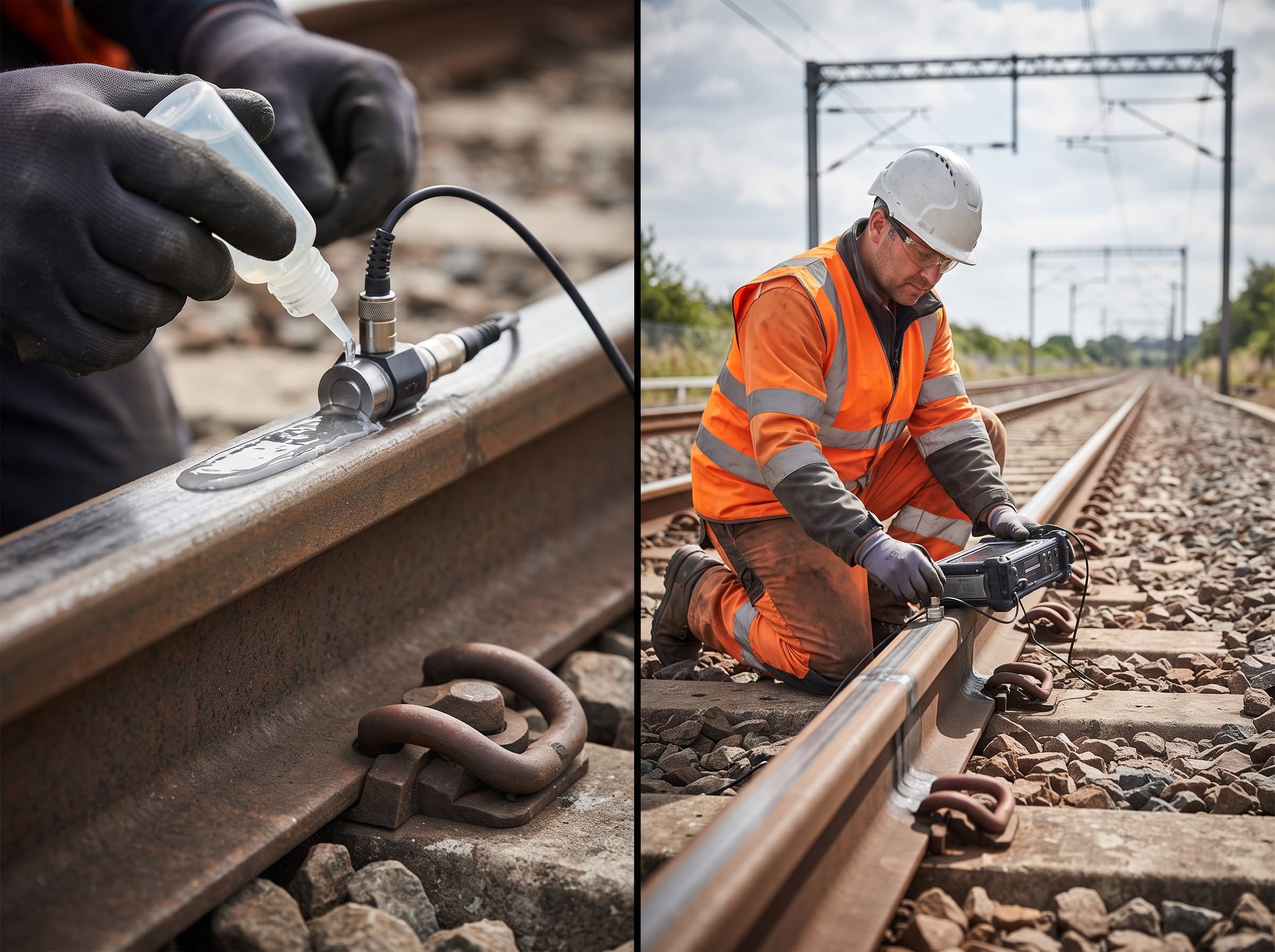
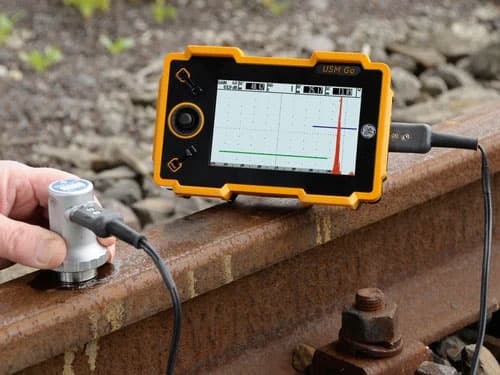
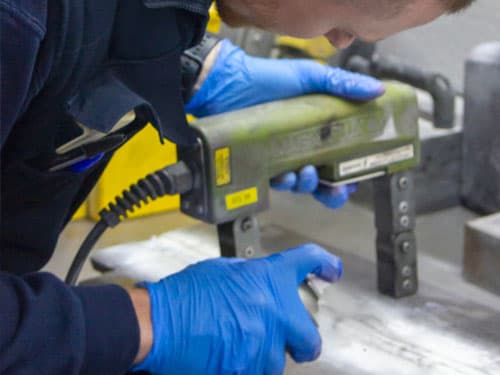
Rail infrastructure inspections commonly include visual inspections, ultrasonic testing, magnetic particle inspections, automated track geometry inspections, and thermal imaging assessments. Each method helps identify specific defects before they become major operational risks.

What is an example of in house vs outsourcing?

An in-house inspection example involves a rail company using its own certified inspectors and equipment for track evaluations. An outsourcing example involves hiring a third-party specialist firm to perform advanced rail diagnostics and compliance inspections.

What are the advantages of in house sourcing?

In-house sourcing provides stronger operational control, faster emergency response, improved data confidentiality, and better familiarity with rail infrastructure conditions. It also allows organizations to align inspections closely with internal maintenance operations.

What are the disadvantages of in house development?

In-house inspection development often requires significant investment in staffing, training, certifications, and advanced equipment. Organizations may also struggle to keep pace with evolving inspection technologies and increasing compliance requirements.