

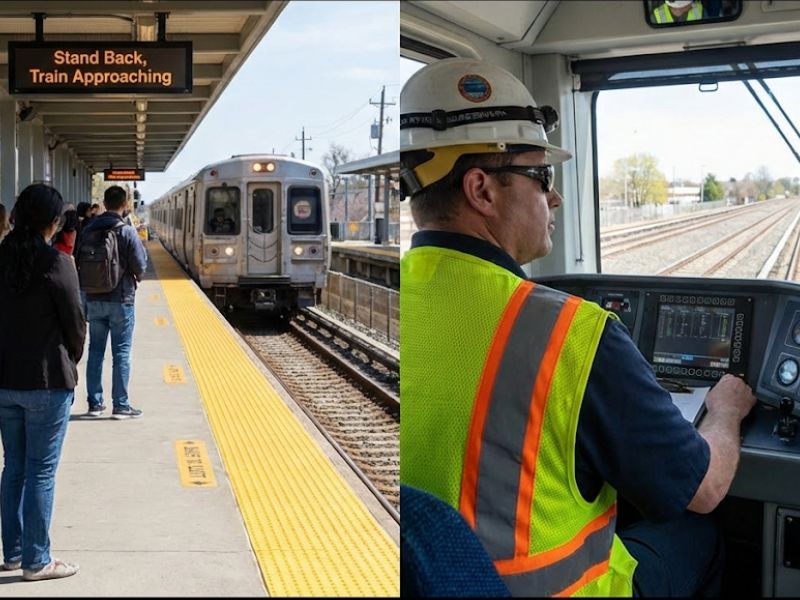
Every day, thousands of people depend on commuter trains to reach work, school, and home on time. Commuter rail safety plays a critical role in protecting these passengers and the workers who operate the system.
Commuter rail safety depends on clear rules, proper training, and responsible behavior from everyone involved. This article explains the main safety risks, outlines essential rules for passengers, and highlights the duties of operators and rail staff. It also covers safety systems, emergency response steps, and practical ways to improve safety across commuter rail networks.
Common Safety Risks
Commuter rail systems operate in fast-paced and crowded environments, where small mistakes can lead to serious consequences. In commuter rail safety, the most frequent risks come from daily travel conditions rather than rare incidents. Recognising these risks helps passengers and operators take action before accidents occur.
Platform and Boarding Risks
Platforms are one of the most dangerous areas in commuter rail networks. Heavy foot traffic during peak hours often leads to pushing, rushing, and reduced awareness. Wet surfaces from rain, uneven platform edges, and gaps between the train and platform increase the chance of slips and falls. Distractions, such as mobile phones or loud music, further reduce reaction time when trains approach.
These risks highlight how easily routine boarding can become unsafe, which brings attention to dangers that exist beyond the platform itself.
Train Operation and Track Hazards
Safety risks continue once the train is in motion. Track defects, signal issues, and objects near rail lines can affect train performance. Human factors, including operator fatigue or delayed reactions, remain a key concern in commuter rail safety. In addition, trespassing on tracks and ignoring warning signals create serious hazards that can lead to sudden braking or collisions.
Understanding these risks sets the stage for an important shift in focus: the role passengers play in keeping themselves and others safe.
Passenger Safety Rules
Passenger actions directly influence commuter rail safety. Simple, responsible behaviour can significantly reduce injuries and disruptions. Following safety rules is not only about personal protection but also about supporting a safe travel environment for everyone.
Safe Platform Behaviour
Staying alert on platforms is essential, especially in busy stations. Passengers should remain aware of train movements and follow posted signs and announcements at all times.
Important safety practices include:
- Stand behind marked safety lines
- Avoid distractions when trains are approaching
- Keep children close and assist vulnerable passengers
- Never enter restricted areas or cross tracks
Boarding, Travel, and Exit Rules
Safe boarding begins with patience and awareness. Allowing passengers to exit first reduces crowding and pushing. During travel, maintaining balance and keeping walkways clear helps prevent falls. When exiting, passengers should watch their step and follow staff instructions carefully.
Passengers should:
- Board only after the train fully stop
- Hold handrails when standing
- Keep bags secure and aisles clear
- Exit calmly, especially in poor weather
Emergency Awareness
Emergency awareness is a core part of commuter rail safety. Passengers should know the location of emergency alarms, intercoms, and exits. In unexpected situations, remaining calm and listening to announcements allows staff to manage the situation effectively and reduce panic.
Knowing how passengers contribute to safety naturally leads to the next topic: how operators and rail staff work behind the scenes to keep commuter rail systems safe.
Operator and Staff Safety Duties
Train operators and rail staff are critical to maintaining commuter rail safety. Their responsibilities go beyond driving trains, they ensure that systems function smoothly and that passengers remain protected at all times. Effective staff management and adherence to safety protocols are essential for preventing accidents.
Train Control and Communication
Operators must maintain full control of the train while staying in constant communication with signal staff and other personnel. Proper coordination reduces the risk of collisions, delays, and other operational hazards. Clear communication also ensures that unexpected events, such as track obstructions or emergency stops, are handled efficiently.
Some important points to note include:
- Follow all signalling instructions precisely
- Maintain speed limits and braking distances
- Report irregularities immediately
- Coordinate with station staff for smooth boarding and disembarking
Fatigue Management and Rule Compliance
Human error is a leading cause of commuter rail accidents. Fatigue management and strict compliance with operational rules are therefore vital. Operators must take regular breaks, adhere to work-hour limits, and follow protocols to minimise mistakes caused by exhaustion. Regular training helps staff stay updated on safety procedures and regulations.
Emergency Handling
Operators and staff must be prepared to respond quickly to emergencies. This includes managing train evacuations, handling onboard incidents, and assisting passengers in distress. Effective emergency handling reduces injuries and ensures the safety of everyone on board.
Safety Systems and Technology
Modern commuter rail systems rely heavily on technology to maintain commuter rail safety. Advanced safety systems help operators detect problems before they escalate and provide passengers with real-time information to prevent accidents.
Signaling and Control Systems
Signalling systems are the backbone of train operations. They regulate train movements, manage traffic on tracks, and prevent collisions. Automated controls, when combined with operator oversight, help maintain safe train intervals and alert staff to potential hazards.
Monitoring and Warning Tools
Rail networks use a variety of monitoring tools, including cameras, sensors, and alarms. These systems detect obstacles, track malfunctions, or unsafe passenger behaviour and alert operators in real time. Emergency alarms and communication devices onboard trains allow passengers to quickly notify staff if a situation arises.
Together, these systems and technologies form a safety net that supports both operators and passengers. But even the best systems cannot replace proper emergency response, which is the next critical component of commuter rail safety.
Emergency Response Procedures
Emergencies on commuter trains or at stations can occur unexpectedly, making rapid, coordinated action essential for commuter rail safety. Knowing what to do during these situations can prevent injuries and reduce chaos.
Passenger Actions During Incidents
Passengers play a key role in emergency response. Staying calm and following instructions from train staff can save lives. Awareness of emergency tools and procedures helps everyone respond effectively.
Key tips for passengers:
- Locate emergency alarms and intercoms as soon as you board
- Follow all staff instructions immediately
- Avoid rushing to exits or creating panic
- Assist children, elderly, or disabled passengers where possible
Staff Coordination and Evacuation
Rail staff are trained to manage emergencies efficiently. Coordinated communication between operators, station staff, and emergency services ensures a safe and orderly evacuation. Staff monitor train conditions, guide passengers, and provide first aid when necessary.
Critical staff actions include:
- Alerting emergency services promptly
- Using PA systems to instruct passengers
- Conducting safe train and platform evacuations
- Managing passenger flow to prevent congestion or injuries
Understanding emergency procedures naturally leads to strategies for preventing incidents altogether.
Improving Commuter Rail Safety
Maintaining commuter rail safety is an ongoing effort that involves training, technology, and public cooperation. Continuous improvements ensure that risks are minimized and that passengers travel securely every day.
Training and Inspections
Regular staff training and thorough inspections of trains, tracks, and equipment are vital. These measures ensure that operators and staff are prepared to handle routine operations and unexpected incidents efficiently.
Public Awareness
Educating passengers about safe behaviour strengthens overall safety. Clear signage, announcements, and awareness campaigns help passengers understand platform rules, boarding practices, and emergency procedures.
Ongoing Safety Improvements
Rail operators continuously upgrade systems and protocols to enhance safety. These improvements may include:
- Modernising signalling and monitoring technology
- Implementing stricter operational guidelines
- Collecting and analysing safety data to prevent future incidents
By combining training, technology, and public awareness, commuter rail networks create a safer environment for everyone.
Conclusion
Commuter rail safety depends on the shared responsibility of passengers, operators, and rail staff. Understanding common risks, following safety rules, and staying alert on platforms and trains significantly reduce the likelihood of accidents.
Operators and staff play a critical role through proper train control, fatigue management, and emergency response, supported by advanced safety systems and technology. Meanwhile, passengers contribute by acting responsibly, knowing emergency procedures, and remaining aware of their surroundings.
Continuous improvements, through training, inspections, public awareness, and system upgrades, ensure that commuter rail networks remain safe for everyone. By combining vigilance, preparedness, and cooperation, we can make every journey secure and stress-free.
Key Points
- Commuter rail safety relies on shared responsibility between passengers, operators, and rail staff.
- Platforms are high-risk areas due to crowding, gaps, and distractions, making slips, trips, and falls common.
- Train operation hazards include signal failures, track defects, obstacles, and human error.
- Passengers must follow safety rules: stay behind safety lines, avoid distractions, and supervise vulnerable individuals.
- Safe boarding, travel, and exit practices reduce accidents, including using handrails, securing bags, and exiting calmly.
- Passengers should know emergency procedures and locate alarms, intercoms, and exits.
- Operators and staff maintain safety through train control, communication, fatigue management, and adherence to rules.
- Advanced safety systems, signalling, monitoring, and warning tools, support operators and protect passengers.
- Coordinated emergency response by staff and calm passenger actions are crucial during incidents.
- Continuous improvements through training, inspections, public awareness, and system upgrades enhance commuter rail safety.
FAQs
How to board and exit commuter trains safely?
Watch the gap between platform and train, use handrails, and move carefully while the train is moving between cars. Keep belongings secure and avoid running.
What are onboard safety rules for passengers?
Stay seated when possible, report suspicious activity, keep aisles clear, and locate emergency exits. Follow crew instructions during announcements or emergencies.
What training do operators need for safety?
Operators require training on passenger handling plans, emergency evacuations, first aid, communication, and equipment checks like emergency lighting and tools.
How to handle emergencies on commuter rail?
Know evacuation procedures, use onboard tools, and assist those with disabilities. Operators must have plans for fire, derailment, and medical issues.
