

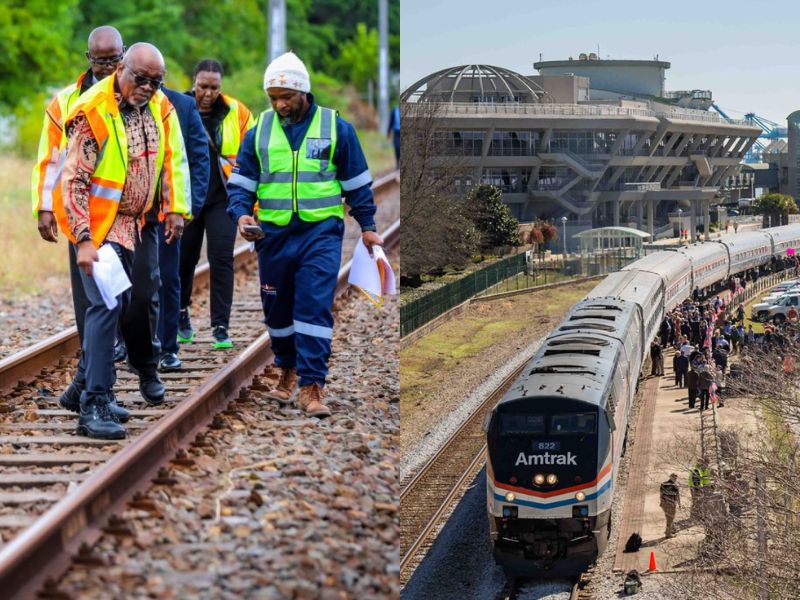
Heavy train traffic, limited space, and rising passenger demand make Rail Inspections in the Urban Area more important than ever. These busy city networks operate under constant pressure, and even a small fault in the system can lead to major safety risks, service delays, or costly shutdowns.
Because of this, strong inspection practices play a key role in keeping mass transit safe and reliable for millions of daily riders.
This article explains why urban rail inspection matters, what parts of the system need close attention, and how new tools and technology help improve safety and performance. It also looks at the common risks found in city rail systems, the role of routine checks in reducing failures, and why consistent maintenance supports long-term reliability.
By the end, you will have a clear view of how effective inspection work supports safer and smoother transportation in busy urban areas.
Why Rail Inspection Matters in Urban Areas
Rail Inspections in the Urban Area play a vital role in keeping busy city transport systems safe and reliable. Urban rail lines carry thousands of passengers every hour, and even a minor fault can trigger severe delays or safety risks.
Regular inspection and maintenance help reduce these problems by keeping every part of the network in proper working order. As mass transit systems grow and demand rises, the need for consistent and detailed inspection becomes even more important, especially in crowded city environments.
High Passenger Volume, Constant Movement, and Higher Risk
Rail Inspections in the Urban Area matter because city rail networks face intense pressure every day. Trains operate at short intervals, stations stay crowded, and infrastructure endures continuous vibration and heavy loads.
When high passenger volume combines with tight timetables, the risk of faults increases. Even a small crack, loose component, or signal error can lead to major disruption or safety concerns. This makes urban rail inspection a core part of mass transit safety.
Urban rail lines also run through dense environments filled with road crossings, pedestrians, and residential zones. Any delay or breakdown affects not only passengers but the wider city. Routine checks help prevent these problems by identifying early warning signs. They support urban transportation safety by catching stress, wear, or system faults before they escalate.
Routine inspections improve safety by:
- Detecting structural stress caused by constant train movement
- Reducing the chance of breakdowns during peak hours
- Allowing early repair before issues turn into hazards
As cities grow and train usage increases, the pressure on rail infrastructure rises. This leads to a key question: which parts of the system must receive the most attention for safe and reliable service? The next section reveals the core components.
Main Parts Checked During Urban Rail Inspection
Urban rail inspection covers multiple system components because each one plays a role in safety, speed, and reliability. These checks form the foundation of railway maintenance and inspection in busy city networks.
Without regular assessment of these core elements, the entire system becomes vulnerable to unexpected failures and unsafe conditions. This is why every inspection includes several critical areas that must meet strict standards.
Tracks, Rails, Sleepers, and Ballast
Tracks and supporting structures face constant wear. Heat, moisture, and vibration can weaken or shift them over time. Inspectors look for:
- Cracks or fractures in rails
- Loose or damaged sleepers
- Ballast displacement
- Track misalignment or uneven geometry
These checks prevent derailments and keep trains running smoothly.
Signals, Communication, Power, Tunnels, and Bridges
Signals and communication systems control train movements and prevent collisions. When they fail, the entire timetable suffers. Inspections include checking signal circuits, communication lines, and control software to ensure accurate real-time responses.
Power supply systems also need ongoing monitoring. Faults in overhead lines or third rails can shut down services instantly. Tunnels and bridges face long-term wear from vibration, weather, and age. Inspectors check for leaks, corrosion, structural stress, and material fatigue.
Rolling Stock Safety Checks
Rolling stock refers to the trains themselves. Each train must meet strict safety standards before entering service. Inspections cover:
- Brake system checks
- Wheel and axle condition
- Door function tests
- Internal and external safety equipment reviews
These checks ensure every train is safe, stable, and ready for daily operation.
As each part works together to support smooth service, one point becomes clear: the next step is to consider how modern tools and technologies are changing the inspection process, and upgrading urban rail safety in powerful new ways.
Inspection Tools and Modern Technology
Modern tools play a major role in improving the accuracy and speed of Rail Inspections in the Urban Area. As city rail systems expand and carry more passengers, engineers now rely on advanced inspection methods to identify faults early and prevent service disruption.
These technologies help detect issues that are not visible to the eye, reduce manual work, and offer consistent results that support long-term reliability. With these tools becoming more common, inspections are shifting from reactive checks to proactive and data-driven strategies.
Non-Destructive Testing Tools Like Ultrasound and Sensors
Non-destructive testing (NDT) allows engineers to inspect rail components without causing any damage. These tools reveal hidden cracks, internal stress, and early signs of fatigue before they become safety risks.
Common NDT tools include:
- Ultrasound scanners for detecting internal rail fractures
- Eddy current sensors for spotting surface defects
- Laser alignment systems to measure track geometry
- Thermal cameras to detect overheating in power and braking systems
These tools provide accurate data that helps schedule repairs at the right time. But NDT is only one part of the modern inspection process, the next level of safety comes from digital technology and continuous monitoring.
Digital Systems, IoT Monitoring, Predictive Maintenance, and Real-Time Data Tools
Urban rail systems now use digital platforms to collect data from sensors placed across the network. IoT devices track vibration, temperature, electrical signals, and train movements. When the system detects unusual patterns, engineers receive instant alerts. This supports predictive maintenance, where faults are fixed before they affect passengers.
Key digital tools include:
- Track-mounted sensors for real-time vibration and stress readings
- Onboard monitoring units installed in trains
- Cloud-based inspection platforms for storing and analysing data
- AI-based predictive tools that forecast component failure
These technologies help reduce breakdowns, extend asset life, and support smoother journeys. Yet even with advanced tools, urban rail environments come with unique risks that demand constant attention.
Safety Risks in Urban Rail Systems
Urban rail networks face several risks that are more common in cities than in rural or regional areas. High population density, crowded stations, and fast-moving trains create conditions where small problems can escalate quickly.
Urban transportation safety depends on identifying and managing these risks before they affect operations or put passengers in danger.
Crowded Stations, Pedestrian Areas, and Level Crossings
City stations often handle thousands of passengers per hour. Large crowds increase the chance of accidents, platform falls, or obstruction near train doors. Pedestrian crossings and busy urban roads add more hazards, especially where people rush across tracks to save time.
Key risks include:
- Overcrowded platforms during peak hours
- Pedestrians crossing tracks illegally
- Reduced visibility at street-level crossings
- Distractions caused by noise, traffic, or large public events
These human factors require strict inspection of signalling, barriers, and platform safety systems. But crowd-related risks are only one part of the picture.
Structural Wear, Vibration, Weather Impact, and Emergency Situations
Rail infrastructure in cities endures constant strain. Continuous vibration from frequent trains, combined with heat, rain, and pollution, causes long-term wear. Bridges, tunnels, rails, and power systems degrade faster in urban environments and require regular checks.
Common structural risks include:
- Corrosion in tunnels and underground structures
- Track distortion due to heat
- Cracks in older bridges
- Flooding during heavy rain
- Vibration damage from dense traffic and construction nearby
Urban rail systems must also prepare for emergency situations such as power failures, signal breakdowns, or medical incidents. These challenges highlight why strong inspection and maintenance are essential for safe daily operation.
How Inspections Improve Reliability and Reduce Failures
Regular Rail Inspections in the Urban Area play a central role in keeping mass transit systems reliable. Urban rail networks operate under heavy pressure, with trains running every few minutes and carrying large crowds throughout the day.
This constant demand leaves very little room for error. Inspections help maintain steady performance by reducing unexpected failures and keeping services on schedule. They also strengthen the overall health of the network, allowing operators to manage risks before they affect passengers.
Early Fault Detection, Fewer Breakdowns, and Reduced Service Delays
One of the biggest benefits of inspections is the ability to detect problems early. Many issues, such as small rail fractures, loose components, or weakening signals, start out minor but grow quickly under constant train movement. Spotting these faults early prevents sudden breakdowns, which are especially disruptive in city environments where delays affect thousands of commuters at once.
Early detection helps:
- Prevent last-minute cancellations during peak hours
- Reduce costly emergency repairs
- Avoid safety incidents caused by unnoticed structural stress
- Maintain smooth and predictable train schedules
Each of these benefits supports stronger urban transportation safety while keeping the rail system running efficiently.
Longer Infrastructure Life Through Regular Railway Maintenance and Inspection
Urban rail infrastructure is expensive to build and maintain. Rails, power stations, tunnels, and bridges all face ongoing wear from vibration, weather, and heavy daily usage. Regular railway maintenance and inspection extends the life of these assets by identifying early signs of fatigue and repairing them before they become severe.
Consistent inspection leads to:
- Lower long-term maintenance costs
- Longer-lasting tracks, signals, and power systems
- Fewer structural repairs caused by unnoticed deterioration
- Better long-term planning for upgrades and replacements
When inspections prevent major failures, the entire rail network becomes more dependable. Trains run on time, infrastructure lasts longer, and passengers enjoy a safer, smoother experience. This ongoing reliability is the foundation of a strong urban transit system, and it sets the stage for the next stage of development in modern rail safety and performance.
Overall, urban rail systems demand frequent and precise inspections to ensure safety and reliability. Our ultrasonic examination detects hidden rail flaws, while our Level III services provide expert oversight for accurate, compliant inspections. Protect your urban railway infrastructure with our professional NDT solutions.
Conclusion
Rail Inspections in the Urban Area are essential for keeping busy city transport systems safe, reliable, and ready to handle daily pressure. As trains move through crowded stations, dense neighbourhoods, and high-traffic corridors, every part of the network must operate without fail.
Regular inspection strengthens this performance by identifying faults early, reducing service delays, and supporting safer journeys for thousands of passengers each day.
Modern tools such as sensors, digital monitoring, and predictive maintenance have made inspections more accurate and efficient.
Combined with routine checks of tracks, signals, rolling stock, and structural elements, these tools help extend the life of the infrastructure and reduce long-term repair costs. They also allow operators to respond quickly to risks caused by wear, weather, vibration, or emergencies.
Urban rail systems will continue to face growing pressure as cities expand, which makes strong inspection practices more important than ever.
By investing in detailed testing, continuous monitoring, and proactive maintenance, transport authorities can protect passengers, improve daily operations, and build a safer and more dependable future for urban rail travel.
Key Points
- Rail Inspections in the Urban Area are essential because city rail systems face heavy passenger loads and constant train movement.
- Urban rail networks operate in dense environments where even minor faults can cause major delays or safety risks.
- Routine inspections support urban transportation safety by detecting early warning signs before they become serious hazards.
- Core components checked during urban rail inspection include tracks, rails, sleepers, ballast, signals, communication systems, power supply, tunnels, and bridges.
- Rolling stock inspections, brakes, wheels, axles, doors, and safety equipment, ensure every train meets required standards before entering service.
- Non-destructive testing tools such as ultrasound, eddy current sensors, lasers, and thermal cameras help identify hidden faults without damaging components.
- Digital systems, IoT monitoring, and real-time data tools support predictive maintenance, allowing engineers to fix problems before breakdowns occur.
- Urban rail systems face unique risks such as overcrowded stations, busy pedestrian zones, and level crossings that require strict safety checks.
- Structural risks like corrosion, vibration damage, heat distortion, and weather impact make regular maintenance vital for long-term performance.
- Consistent inspections improve reliability by reducing service delays, preventing unexpected failures, and extending the life of critical rail infrastructure.
FAQs
How often should urban rail tracks be inspected?
Inspection frequency depends on the system, usage, and regulatory requirements. For example, light rail track inspections may be required weekly according to certain industry guidelines. More intensive or detailed inspections might happen less frequently but are critical for long-term safety and maintenance planning.
Can automated systems inspect rail infrastructure without disrupting service?
Yes. Some modern systems, such as robotic platforms with LiDAR sensors or IoT‑based tools, can inspect tracks in real time or during non‑peak hours to minimise disruption.
These systems support more frequent inspections without large operational impact.
Who regulates inspection standards for urban rail systems?
Standards can vary, but rail safety is often governed by regulatory bodies and safety assessors. For example, organisations like TÜV SÜD provide independent safety assessments for urban rail components. Additionally, transit agencies may use standard operating procedures and checklists for inspections.
How do inspections help improve urban transportation safety?
Routine checks detect early signs of faults, reduce the chance of system failure, and enable corrective action before risks escalate. This contributes to safer and more reliable transport for daily commuters.
