



Ultrasonic Testing Level 3: The Highest NDT Certification

In industries where safety failures can cost millions and risk lives, inspection accuracy is non-negotiable. Ultrasonic Testing Level 3 represents the highest level of authority in ultrasonic non-destructive testing, placing certified professionals at the top of the NDT hierarchy. This certification is not just about operating equipment; it is about controlling procedures, approving techniques, and ensuring full compliance with industry codes.

This article explains what Ultrasonic Testing Level 3 involves, how it differs from other NDT levels, and what responsibilities come with the certification. It also covers eligibility requirements, the exam process, and the career opportunities available to Level 3 professionals. By the end, readers will have a clear picture of why this certification is considered the highest standard in ultrasonic testing.

What Is Ultrasonic Testing (UT)?

Ultrasonic Testing (UT) is a non-destructive testing method that uses high-frequency sound waves to detect internal flaws in materials. Instead of cutting or damaging a component, UT allows inspectors to examine its internal structure while it remains in service. This makes it one of the most trusted inspection methods in safety-critical industries.

At the highest level of qualification, professionals holding Ultrasonic Testing Level 3 certification are responsible for ensuring these inspections meet strict technical and regulatory standards. However, before reaching that level, it is important to understand how UT works.

Basic Working Principle

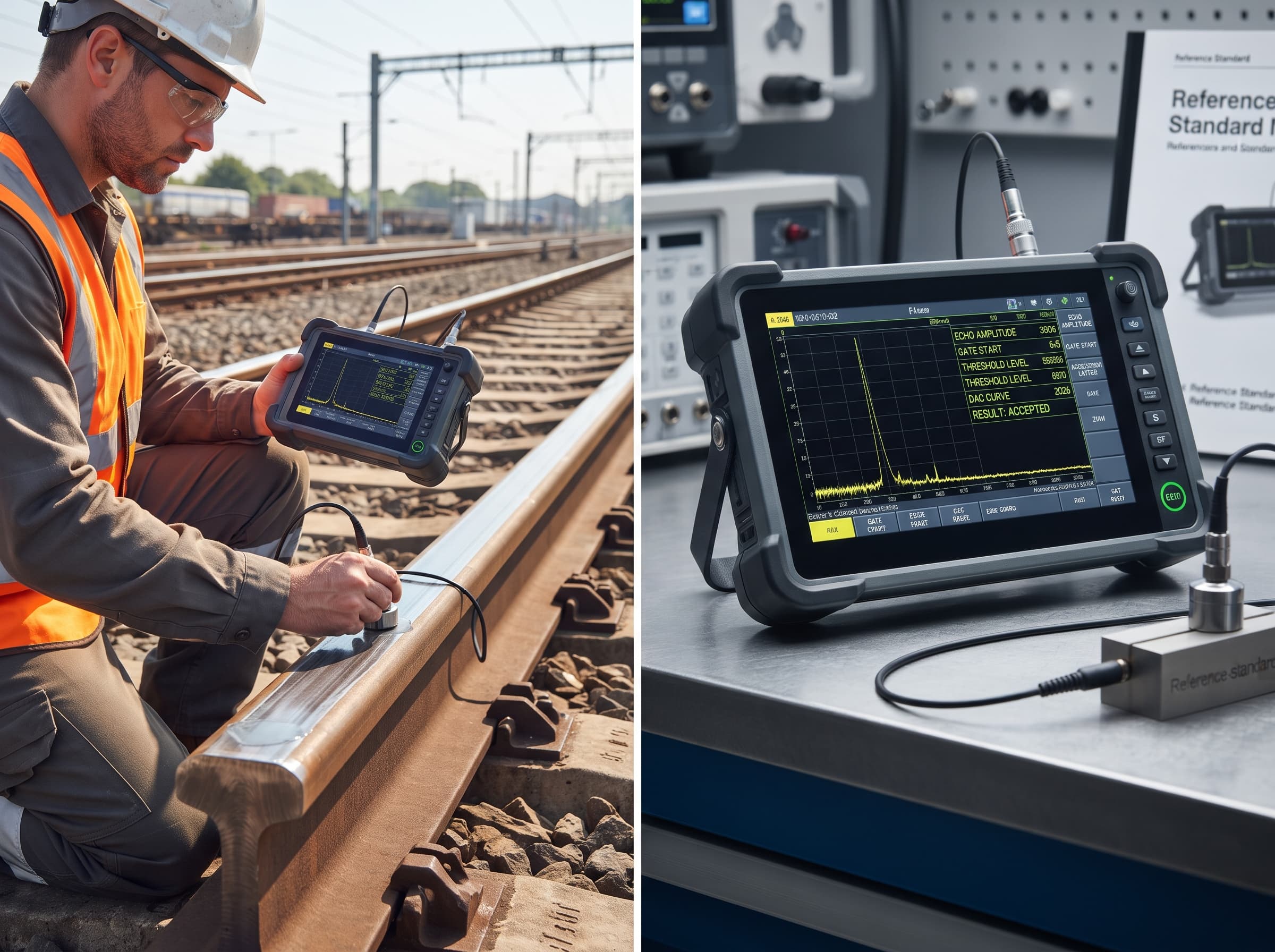
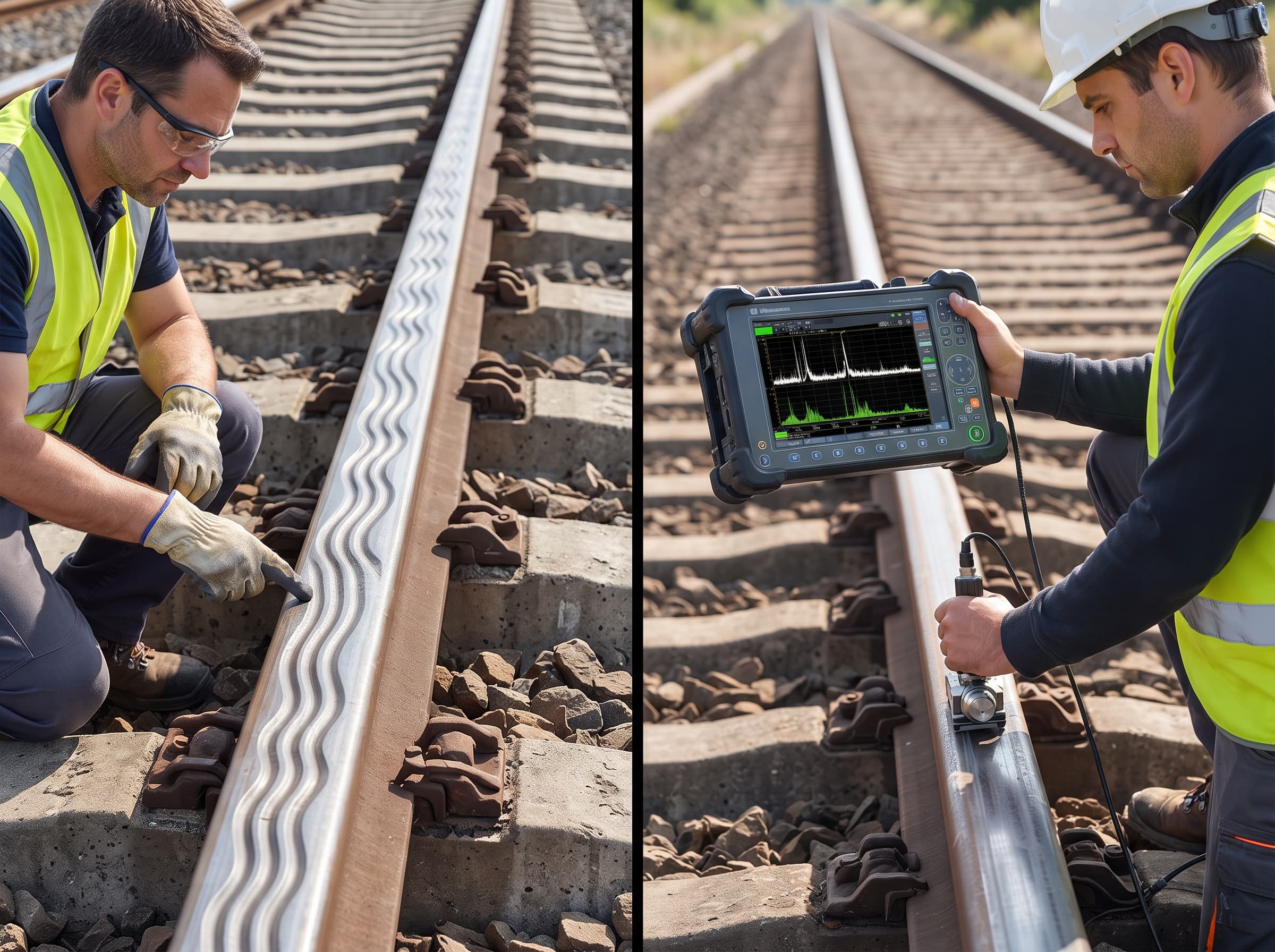
UT operates on a simple but precise concept. A probe sends high-frequency sound waves into a material. When those waves encounter a boundary, such as a crack or void, they reflect back to the probe. The equipment then displays these signals for interpretation.

The process typically involves:

  • A transducer that generates and receives sound waves
  • A couplant (gel or liquid) that helps transmit sound into the material
  • A display unit that shows signal responses
  • Interpretation based on signal amplitude and time of flight

Because sound travels differently through defects than through solid material, trained technicians can identify flaws, measure thickness, and assess structural integrity.

Common Industry Applications

Ultrasonic Testing is widely used across industries where failure is not an option. It plays a key role in preventive maintenance and quality control.

Common sectors include:

  • Oil and gas pipelines
  • Power plants and pressure vessels
  • Aerospace components
  • Shipbuilding and marine structures
  • Structural steel and construction

In these sectors, UT helps detect cracks, corrosion, lack of fusion in welds, and thickness loss before they become critical failures.

Key Advantages

UT offers several benefits compared to other NDT methods:

  • Deep penetration for internal flaw detection
  • Immediate results on-site
  • Accurate thickness measurement
  • No radiation hazards
  • Minimal material preparation required

These advantages make UT highly reliable. However, the accuracy of results depends heavily on the skill and certification level of the technician performing the inspection.

This leads to an important question: who is qualified to perform, interpret, and approve ultrasonic inspections at different levels of complexity? The answer lies in the NDT certification structure.

NDT Certification Levels Explained

Non-destructive testing follows a structured certification system to ensure inspections are performed by qualified personnel. The system is divided into three primary levels: Level 1, Level 2, and Level 3. Each level carries increasing responsibility, authority, and technical depth.

Level 1 Overview

A Level 1 technician is entry-level. They can perform ultrasonic testing according to written instructions and under supervision.

Their role generally includes:

  • Setting up equipment
  • Performing basic calibrations
  • Conducting inspections under guidance
  • Recording results

They do not interpret results independently or create procedures.

Level 2 Overview

A Level 2 technician has more experience and authority. They can perform and interpret ultrasonic tests according to established codes and procedures.

Typical responsibilities include:

  • Selecting test techniques
  • Interpreting indications
  • Evaluating results against acceptance criteria
  • Preparing inspection reports

Level 2 personnel often supervise Level 1 technicians. However, they still operate within procedures approved by higher authority.

Level 3 Overview

Level 3 is the highest certification level in NDT. A professional certified in Ultrasonic Testing Level 3 holds full technical responsibility for ultrasonic operations within an organization.

Their responsibilities include:

  • Developing and approving UT procedures
  • Interpreting codes, standards, and specifications
  • Certifying Level 1 and Level 2 personnel
  • Auditing and ensuring compliance
  • Providing technical guidance for complex inspections

Level 3 professionals are decision-makers. They ensure inspection systems meet regulatory and industry requirements.

Key Differences in Authority and Responsibility

The main differences between the levels can be summarized clearly:

  • Level 1: Perform tests under supervision
  • Level 2: Perform and interpret tests independently
  • Level 3: Approve procedures, oversee certification, and hold technical authority

As responsibility increases, so does the need for deeper technical knowledge, broader code familiarity, and leadership ability.

Now that the certification structure is clear, the next step is to examine what makes Ultrasonic Testing Level 3 the most demanding and respected qualification in the NDT field.Top of Form

What Is Ultrasonic Testing Level 3?

Ultrasonic Testing Level 3 is the highest level of certification in ultrasonic non-destructive testing. It represents full technical authority over ultrasonic inspection activities within an organization. While Level 1 and Level 2 technicians focus on performing and interpreting tests, Level 3 professionals control the system itself.

This certification goes beyond operating equipment. It confirms that the individual has deep knowledge of ultrasonic theory, inspection techniques, applicable codes, and quality systems. A Level 3 professional is responsible not only for technical accuracy but also for compliance, documentation, and personnel qualification.

Scope of Certification

The scope of Ultrasonic Testing Level 3 certification is broad and strategic. It covers technical, administrative, and regulatory aspects of ultrasonic testing.

A certified Level 3 professional can:

  • Develop, review, and approve UT procedures
  • Interpret and apply international codes and standards
  • Qualify and certify Level 1 and Level 2 personnel
  • Establish acceptance criteria based on project requirements
  • Provide technical guidance for complex inspections

Unlike lower certification levels, Level 3 is not limited to performing inspections. It governs how inspections are structured, controlled, and validated.

Role Within an Organization

Within a company, a UT Level 3 often acts as the technical authority for ultrasonic testing. They may serve as the Responsible Level 3 under employer-based certification systems or as a consultant in multi-site operations.

Their role typically includes:

  • Setting up inspection programs
  • Approving written practice documents
  • Leading audits and quality reviews
  • Supporting engineering and project management teams

In many organizations, no ultrasonic procedure is implemented without Level 3 approval. This places significant accountability on the certified professional.

Industries That Require Level 3 Professionals

Industries that deal with high-risk components often require Ultrasonic Testing Level 3 oversight to meet regulatory and safety standards.

Key industries include:

  • Oil and gas production and pipelines
  • Power generation and nuclear facilities
  • Aerospace manufacturing
  • Shipbuilding and offshore structures
  • Heavy fabrication and pressure vessel manufacturing

In these sectors, inspection errors can lead to severe consequences. Therefore, Level 3 oversight is often mandatory.

But holding the certification is only part of the picture. The real weight of Ultrasonic Testing Level 3 lies in the responsibilities carried daily.

Roles and Responsibilities of a UT Level 3

A UT Level 3 professional operates at both technical and managerial levels. Their work ensures inspection integrity, regulatory compliance, and personnel competence.

Procedure Development and Approval

One of the primary duties of Ultrasonic Testing Level 3 is developing and approving inspection procedures.

This includes:

  • Writing detailed UT procedures based on codes and specifications
  • Selecting appropriate techniques (straight beam, angle beam, phased array, etc.)
  • Defining calibration methods and acceptance criteria
  • Reviewing and approving procedures written by others

Procedures must align with project specifications and industry standards. A single oversight can affect inspection validity.

Supervision and Training

Level 3 professionals are responsible for maintaining competency within the inspection team.

Their supervision role includes:

  • Training Level 1 and Level 2 personnel
  • Conducting internal examinations
  • Certifying technicians under employer-based schemes
  • Evaluating performance during audits

They ensure that inspection teams follow approved methods and maintain consistent quality.

Code Interpretation and Compliance

Another critical responsibility is interpreting codes and standards correctly. These may include ASME, API, ISO, or other industry-specific requirements.

A UT Level 3 must:

  • Interpret code clauses accurately
  • Resolve conflicts between specifications
  • Ensure inspections meet regulatory requirements
  • Support clients during compliance reviews

Incorrect interpretation can lead to rejected inspections, legal issues, or safety risks.

Because of this high level of authority, Ultrasonic Testing Level 3 is considered the final technical checkpoint in ultrasonic inspection systems. The certification represents not just skill, but accountability at the highest level.

Certification Requirements and Exam Process

Achieving Ultrasonic Testing Level 3 certification requires significant preparation, technical depth, and documented experience. It is not an entry-level qualification. Candidates must meet strict eligibility standards before they are even allowed to sit for the examination.

Eligibility Criteria

To qualify for Ultrasonic Testing Level 3, candidates typically must:

  • Hold valid Level 2 certification in Ultrasonic Testing
  • Meet minimum education requirements (high school, diploma, or degree depending on the certification body)
  • Provide documented industry experience
  • Pass required vision examinations

Higher academic qualifications may reduce the required work experience. However, experience in practical ultrasonic inspection remains mandatory.

Work Experience and Training Hours

Experience requirements vary depending on the certification scheme, but they generally include:

  • Several years of documented UT experience
  • A specified number of training hours in ultrasonic testing
  • Demonstrated knowledge of codes and standards

For candidates without formal technical education, required experience may be higher. The intent is to ensure that Level 3 professionals possess both field exposure and theoretical understanding.

At this stage, candidates are expected to move beyond hands-on inspection and show mastery in procedure development, interpretation of standards, and quality system control.

Examination Structure

The examination for Ultrasonic Testing Level 3 is comprehensive and demanding. It tests general NDT knowledge as well as method-specific expertise.

The exam typically includes:

  • General examination: Covers NDT principles across multiple methods
  • Specific examination: Focuses on ultrasonic testing theory, techniques, and applications
  • Practical or procedure-based examination: Requires drafting or reviewing UT procedures

The questions often involve code interpretation, flaw evaluation, and inspection planning scenarios. The difficulty level is significantly higher than Level 2 examinations.

Passing these exams confirms technical authority. However, certification does not last forever.

Recertification

Ultrasonic Testing Level 3 certification must be renewed periodically, often every five years depending on the certification body.

Recertification may require:

  • Continued work activity in UT
  • Proof of professional development
  • Re-examination in some cases

This ensures that Level 3 professionals stay updated with evolving technologies and industry standards.

Once certified, professionals enter a high-responsibility career path with strong demand across multiple sectors.

Career Scope and Salary

Ultrasonic Testing Level 3 is one of the most respected qualifications in the non-destructive testing field. It opens doors to senior technical, managerial, and consulting roles.

Demand Across Industries

Industries that operate critical infrastructure require Level 3 oversight to maintain compliance and safety.

High-demand sectors include:

  • Oil and gas
  • Power generation
  • Aerospace
  • Petrochemical plants
  • Heavy fabrication and manufacturing

Many large projects require a designated Level 3 professional to approve procedures and oversee inspections. This keeps demand steady, especially in regulated industries.

Salary Range

Salary varies by country, industry, and experience. However, Ultrasonic Testing Level 3 professionals generally earn significantly more than Level 1 or Level 2 technicians.

Factors affecting salary include:

  • Years of experience
  • Industry risk level
  • Geographic location
  • Additional certifications

In many regions, Level 3 professionals move into senior technical or quality assurance positions with competitive compensation packages.

Long-Term Career Growth Opportunities

Ultrasonic Testing Level 3 is often a stepping stone to broader leadership roles. Career paths may include:

  • NDT Manager
  • Quality Assurance Manager
  • Technical Consultant
  • Inspection Program Director
  • Independent Level 3 Consultant

With experience, professionals may oversee multiple inspection methods beyond ultrasonic testing.

Overall, Level 3 certification represents the highest standard of expertise in ultrasonic testing. Our Level III services provide advanced technical oversight, procedure development, and compliance assurance, supported by our precise ultrasonic examination capabilities. Elevate your NDT program with certified expertise you can rely on.Bottom of Form

Conclusion

Ultrasonic inspection plays a critical role in protecting infrastructure, equipment, and human safety. At the top of this system stands Ultrasonic Testing Level 3, the highest certification in ultrasonic non-destructive testing. This qualification represents more than technical knowledge. It reflects authority, accountability, and the ability to control inspection programs at an organizational level.

From mastering ultrasonic principles to approving procedures, interpreting codes, and certifying personnel, Level 3 professionals carry full technical responsibility. The certification process is demanding, and the expectations are high. However, the reward is strong industry demand, higher earning potential, and access to senior technical and leadership roles.

For professionals seeking long-term growth in the NDT field, Ultrasonic Testing Level 3 offers a clear path to becoming a recognized technical authority. It is not simply the next step in certification. It is the highest standard in ultrasonic testing.

Key Points

  • Ultrasonic Testing (UT) uses high-frequency sound waves to detect internal flaws without damaging materials.
  •  UT is widely used in oil and gas, aerospace, power generation, shipbuilding, and heavy fabrication industries
  • The NDT certification system consists of Level 1, Level 2, and Level 3, with increasing authority and responsibility.
  • Ultrasonic Testing Level 3 is the highest certification in ultrasonic non-destructive testing.
  •  Level 3 professionals hold full technical authority over UT procedures, compliance, and personnel qualification.
  •  Eligibility for Ultrasonic Testing Level 3 requires Level 2 certification, documented work experience, training hours, and vision requirements.
  • The Level 3 examination includes general NDT knowledge, method-specific theory, and procedure-based assessments.
  •  Recertification is required periodically to maintain active Level 3 status and ensure updated knowledge.
  •  Industries handling high-risk components often require Level 3 oversight for regulatory compliance and quality assurance.
  • Ultrasonic Testing Level 3 offers strong career growth, higher salary potential, and opportunities in leadership and consulting roles.

FAQs

How long does it take to become Ultrasonic Testing Level 3 certified?
The timeline depends on your education level and industry experience. Most candidates spend several years gaining Level 2 experience before qualifying for Level 3. The process often takes 5–10 years from entry into NDT.

2. Is Ultrasonic Testing Level 3 recognized internationally?
Yes. Recognition depends on the certification scheme (such as employer-based or third-party certification). Many schemes align with international standards, allowing professionals to work across multiple countries.

3. Can a UT Level 3 work independently as a consultant?
Yes. Many certified Level 3 professionals operate as independent consultants. They may provide procedure approval, technical audits, personnel qualification, and compliance support for multiple companies.

4. What is the difference between employer-based and central certification for Level 3?
Employer-based certification is issued by a company under its written practice. Central certification is issued by an accredited body and is generally transferable between employers.