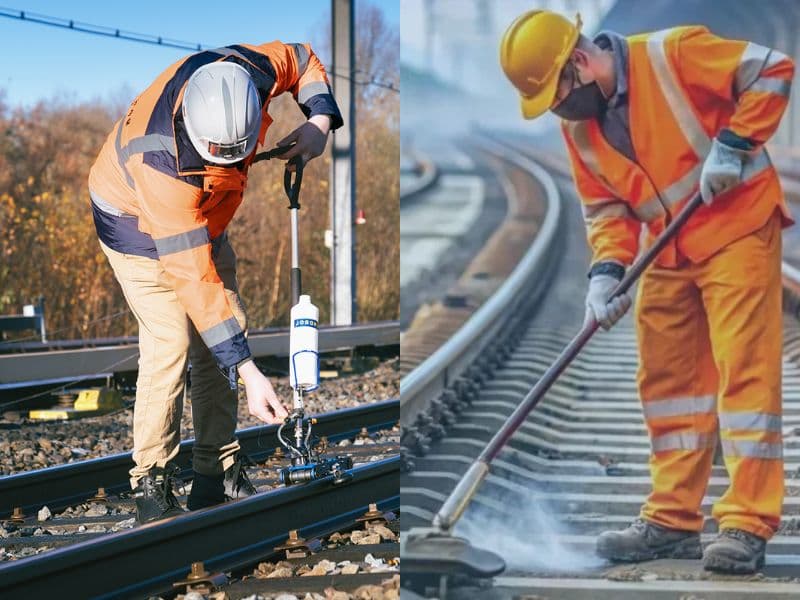
Rail networks are the backbone of global transportation, carrying millions of passengers and tons of freight every day. Yet, behind every smooth journey lies a constant battle to keep tracks safe and reliable. Solutions for Rail Inspection have become more advanced than ever, helping rail operators detect problems early, reduce downtime, and prevent costly derailments.
With the rise of automation and digital technology, the way rail systems are monitored and maintained is changing rapidly.
This article explores how modern rail inspection systems and track maintenance solutions are transforming railway safety and efficiency. You’ll learn about automated inspection tools, AI-powered detection methods, data-driven maintenance planning, and real-world applications that are redefining rail operations.
Whether you’re part of a railway team or simply interested in transport technology, this guide will show how today’s innovations are keeping the tracks of tomorrow running safely and smoothly.
Main Challenges in Rail Inspection and Maintenance
The condition of rail tracks determines not just the efficiency of train services but also the safety of every passenger and shipment. However, keeping rails in top shape is no small task. Even with regular checks, rail operators face several ongoing challenges that demand smarter Solutions for Rail Inspection and better track maintenance solutions.
Detecting Hidden Defects Before Failure
One of the biggest obstacles in rail maintenance is spotting issues that can’t be seen with the naked eye. Hairline cracks, internal corrosion, and microscopic wear can develop unnoticed beneath the surface of the rail. Over time, these small flaws may grow into serious defects, leading to track failure or derailments.
Traditional inspection methods often miss such early warning signs, which makes automated rail inspection systems crucial. Using technologies like ultrasonic testing and laser scanning, operators can detect faults long before they become dangerous.
Time and Labour Limits in Manual Inspections
Manual inspections have long been the backbone of rail maintenance, but they come with significant limitations. Inspectors can only cover so much track in a given shift, and their accuracy can vary depending on weather, lighting, and fatigue. This process also requires scheduled downtime, disrupting normal operations.
To summarise the drawbacks of manual inspections:
- Limited coverage and frequency
- High dependency on human accuracy
- Track closures causing service delays
- Labour-intensive and costly
As networks grow and train traffic increases, relying solely on manual methods is no longer sustainable, paving the way for more efficient, data-driven inspection systems.
Safety Risks for Inspection Crews
Inspecting live tracks or working in remote areas exposes crews to considerable risk. Even with strict safety protocols, the potential for accidents remains high. Automated rail inspection systems help reduce these dangers by minimising human exposure on the track.
For instance, drones and onboard inspection vehicles can collect real-time data without requiring inspectors to walk the line. This shift not only boosts safety but also speeds up the inspection process.
Balancing Cost and Network Uptime
Rail operators face the constant challenge of maintaining network reliability while controlling costs. Shutting down a section of track for maintenance can disrupt schedules and revenue, yet postponing repairs increases the risk of failure.
Track maintenance solutions powered by predictive analytics offer a better balance, allowing operators to plan repairs based on actual track conditions rather than fixed intervals. By doing so, maintenance becomes both cost-effective and timely.
The challenges are clear, but how exactly are railways overcoming them? The answer lies in innovation. Let’s explore how modern technologies are transforming inspection from a manual chore into a smart, automated process.
Modern Rail Inspection Systems
Advancements in inspection technology are reshaping how rail networks are monitored and maintained. Today’s Solutions for Rail Inspection use automation, imaging, and data analytics to provide precise, continuous monitoring of track conditions. These innovations not only improve safety but also extend the lifespan of railway infrastructure.
Manual vs Automated Systems
Manual systems still have a place in maintenance, particularly for smaller networks or spot checks. However, the move towards automation has drastically improved accuracy and efficiency. Automated systems can scan thousands of kilometres of track without interrupting services, using sensors and high-speed cameras to identify defects in real time.
Key advantages of automated systems include:
- Consistent data collection
- Greater accuracy and detail
- Reduced inspection time
- Real-time reporting and alerts
In contrast, manual inspections are prone to human error and cannot match the coverage or speed of automated rail inspection tools.
Track Geometry Cars and Ultrasonic Testing
Track geometry cars are specialised vehicles equipped with sensors and lasers that measure alignment, curvature, and elevation of the tracks. These measurements ensure trains run smoothly and safely at high speeds.
Ultrasonic testing systems, on the other hand, send sound waves through the rail to detect internal cracks or flaws. Together, these methods form the backbone of non-destructive testing in modern rail maintenance.
Imaging and Laser-Based Inspection
High-resolution imaging and laser technologies have taken defect detection to the next level. Mounted on inspection trains or even drones, these systems capture detailed images of rail surfaces, sleepers, and fasteners.
Lasers measure track geometry and detect surface wear with millimetre-level precision. AI algorithms then analyse the data to spot anomalies instantly, far faster than human inspectors could ever manage.
Real-Time Defect Monitoring Technologies
Real-time monitoring represents a major step forward in railway safety. Instead of periodic checks, sensors continuously feed condition data into monitoring platforms. This allows maintenance teams to respond immediately to early warning signs, preventing costly breakdowns.
With automated rail inspection integrated into daily operations, railway managers gain a clear, up-to-date picture of track health.
These technologies have already revolutionised the way railways operate, but the story doesn’t end here. The next big leap comes from merging inspection data with predictive maintenance systems to make smarter, faster decisions. And that’s exactly what we’ll explore next.
Automated and AI-Powered Rail Inspection
The railway industry is entering a new era of smart maintenance, driven by automation and artificial intelligence. Modern Solutions for Rail Inspection now use intelligent systems that can detect, analyse, and even predict track issues with minimal human input. This shift not only increases accuracy but also enables faster, safer, and more consistent inspections across entire networks.
Role of Automated Track Inspection (ATI)
Automated Track Inspection (ATI) systems have replaced many traditional, labour-intensive methods. These systems use sensors, lasers, cameras, and ultrasonic devices to examine the condition of rails while trains are in motion. They measure geometry, track alignment, gauge width, and wear, all without interrupting train schedules.
Some key benefits of ATI include:
- Continuous inspection with no service downtime
- Accurate data collection across long distances
- Reduced need for manual labour and track access
- Early detection of geometry faults or rail defects
ATI provides the foundation for predictive maintenance by capturing detailed, real-time information that engineers can act on immediately.
Use of AI and Machine Learning for Defect Detection
Artificial intelligence (AI) and machine learning (ML) are transforming how inspection data is interpreted. These technologies analyse massive volumes of imagery and sensor data to spot defects that might escape human detection.
For example:
- AI algorithms can identify cracks, wear patterns, or missing fasteners from high-speed camera footage.
- Machine learning models learn from previous defect data to predict where future problems may arise.
Over time, these systems become more accurate, offering a reliable way to plan maintenance before faults escalate. The combination of automated rail inspection and AI allows railways to move from reactive repairs to proactive management.
Drones and LiDAR for Aerial Inspections
Drones equipped with LiDAR (Light Detection and Ranging) sensors are revolutionising aerial inspections. They can cover difficult-to-reach areas such as bridges, tunnels, and remote tracks, capturing precise 3D data of the infrastructure.
Benefits of drone and LiDAR inspections include:
- Quick, non-intrusive data collection
- Access to hazardous or restricted areas
- High-resolution mapping for infrastructure planning
When integrated with AI, drones can automatically flag potential hazards like vegetation overgrowth, alignment shifts, or ballast erosion. This enhances both safety and maintenance efficiency.
Onboard Systems in Active Trains
A growing trend in rail inspection systems is the use of onboard monitoring equipment installed on regular passenger or freight trains. These sensors continuously track vibration, geometry, and rail surface conditions during normal operations.
This approach has several advantages:
- Real-time condition monitoring without deploying separate inspection vehicles
- More frequent data collection, improving defect detection rates
- Cost savings from using existing rolling stock
By combining onboard and automated systems, rail operators can achieve continuous surveillance of the track, ensuring safer and more reliable rail services.
But automation alone isn’t enough, it’s what you do with the data that truly drives smarter maintenance. That’s where integration comes in.
Integrating Inspection Data with Track Maintenance Solutions
Collecting inspection data is only half the job. The real power lies in using that data to make smarter maintenance decisions. Integrating inspection insights into track maintenance solutions allows rail operators to move from fixed schedules to dynamic, condition-based maintenance.
Predictive Maintenance from Inspection Data
Predictive maintenance uses historical and real-time data to forecast when and where faults will occur. By analysing trends in geometry measurements, vibration levels, and defect frequency, engineers can prioritise repairs before failure happens.
Key advantages include:
- Reduced downtime and maintenance costs
- Fewer service disruptions
- Improved safety and asset longevity
With automated rail inspection feeding constant data into maintenance systems, predictive models become more accurate over time, helping operators make data-driven decisions.
Automated Repair Tools and Maintenance Scheduling
Once defects are identified, automation also plays a role in fixing them. Modern railways now use robotic and computer-guided machinery such as rail grinders, ballast tampers, and track renewal machines. These tools work faster and with greater precision than manual crews.
Smart maintenance scheduling systems then determine the best time to deploy these machines, balancing efficiency and train timetables. The result is a streamlined maintenance process that maximises uptime while minimising human risk.
Digital Twins and Asset Management Systems
Digital twin technology takes integration to the next level. A digital twin is a virtual model of the railway network that mirrors real-time conditions. By feeding inspection and maintenance data into this model, operators can simulate how different maintenance strategies will affect performance.
Benefits of digital twins and asset management systems include:
- Real-time visibility of asset health
- Improved planning and resource allocation
- Scenario testing for long-term infrastructure decisions
Through this level of integration, Solutions for Rail Inspection become a key part of an intelligent maintenance ecosystem, one where data drives every action, ensuring railways stay safe, efficient, and ready for the future.
Overall, advanced rail inspection ensures safer and more efficient track maintenance. Our ultrasonic examination detects hidden flaws, while our Level III services provide expert oversight for reliable testing. Enhance your railway operations with our professional NDT solutions.
Conclusion
Railway safety and reliability depend on how well we inspect, maintain, and modernise the tracks beneath every journey. The rise of Solutions for Rail Inspection, from automated systems and AI-driven analytics to predictive maintenance and digital twins, has completely changed the way rail networks are managed.
These innovations not only detect faults earlier but also allow operators to act smarter, faster, and more efficiently.
As automation continues to advance, the future of rail maintenance lies in complete integration, where rail inspection systems, maintenance tools, and data platforms work seamlessly together. The result is a network that’s safer for passengers, more cost-effective for operators, and more resilient against wear and time.
Investing in these technologies today is more than an upgrade; it’s a commitment to the long-term health of global rail infrastructure. The tracks of tomorrow will not only be inspected, they’ll be intelligent.
Key Points
- Solutions for Rail Inspection play a vital role in ensuring railway safety by detecting defects early and preventing costly failures.
- Hidden defects such as internal cracks and corrosion are difficult to detect manually, making automated rail inspection technologies essential.
- Manual inspections are limited by time, labour, and accuracy, and they often require track closures that disrupt operations.
- Automated Track Inspection (ATI) systems use sensors, lasers, and ultrasonic devices to continuously monitor rail conditions without interrupting service.
- AI and machine learning enhance defect detection by analysing large amounts of inspection data to identify and predict rail faults more accurately.
- Drones equipped with LiDAR technology provide aerial inspections, capturing 3D images of remote or hard-to-reach areas safely and efficiently.
- Onboard monitoring systems installed on active trains enable real-time track condition analysis during normal operations, reducing the need for separate inspection vehicles.
- Integrating inspection data with track maintenance solutions supports predictive maintenance, allowing engineers to repair faults before they cause disruptions.
- Digital twins and asset management systems give operators a live, virtual model of the rail network to simulate maintenance strategies and improve decision-making.
- The future of rail maintenance lies in full automation and data integration, creating smarter, safer, and more cost-effective railway networks.
FAQs
How do onboard inspection systems operate on active trains?
Onboard systems are sensors installed on regular service trains (passenger or freight) to monitor track condition as they run normal services. These might record vibration, rail surface profiles, alignment changes, or detect anomalies. Because they work during routine operations, they provide continuous monitoring without additional inspection runs.
What is predictive maintenance in railway track management?
Predictive maintenance uses the inspection data (historical + real time) to forecast where and when defects are likely to occur. This enables maintenance teams to intervene before faults worsen, optimising repair schedules, reducing emergency work, and improving track availability.
What is a digital twin in the context of railway infrastructure?
A digital twin is a virtual model of the real rail network, mirroring real-time and historical data about track condition, geometry, and components. Operators can use it to simulate maintenance strategies, assess impact of interventions, and plan optimal resource use without disturbing actual infrastructure.
What are real-time defect monitoring technologies used in rail inspection?
Real-time monitoring uses permanently installed sensors and instrumentation (vibration sensors, strain gauges, displacement sensors, optical systems) that continuously feed data to central systems. This enables immediate alerts when anomalies cross thresholds, allowing faster response to emerging faults.