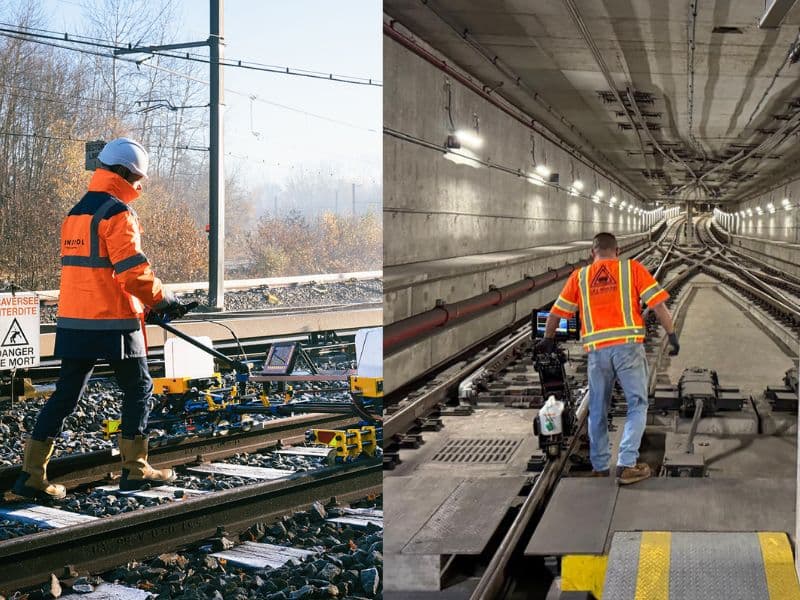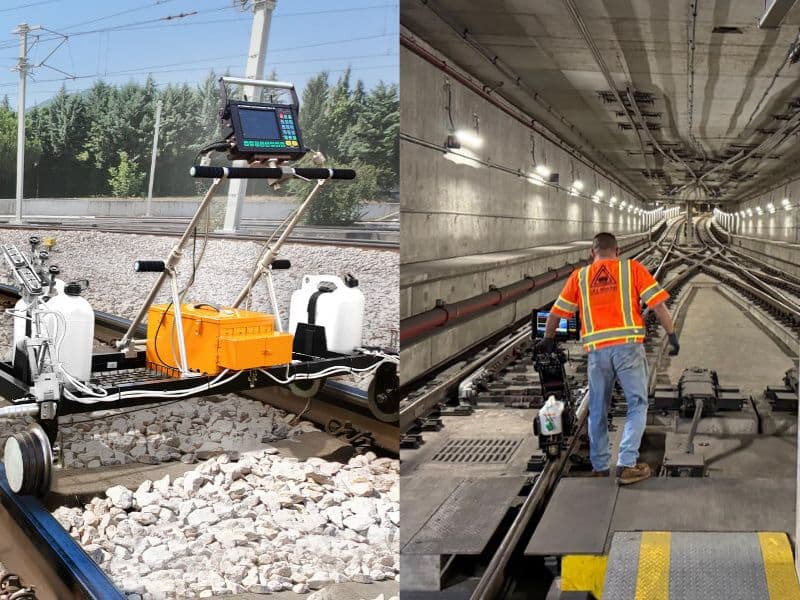
Advanced Nondestructive Evaluation Techniques for Railway Rail Inspection
Explore advanced Nondestructive Evaluation Techniques for railway rail inspection, detecting defects early, improving safety, and supporting predictive maintenance.
Author
163 articlesPage 3 of 17
Explore advanced Nondestructive Evaluation Techniques for railway rail inspection, detecting defects early, improving safety, and supporting predictive maintenance.
High-Speed Ultrasonic Rail Inspection detects internal rail defects early, enhancing safety, reducing downtime, and enabling predictive rail maintenance.
Learn the key differences between NDT and UT, their uses, methods, and when to choose each for accurate, non-destructive material inspection.
Explore the railway testing market, projected at $5.34B by 2032, with forecasts, services, technology trends, and growth opportunities worldwide.
Learn how eddy current testing equipment works, its types, uses, probes, advantages, limits, and tips to choose the right ECT system for NDT inspections UK
Discover the main parts of a railroad track, their functions, and how rails, sleepers, ballast, fasteners, and subgrade work together for safe train operation.
Learn the Basic Principles of Ultrasonic Testing, how sound waves detect flaws, key techniques, components, and benefits in modern NDT applications.
Enhance railway safety with the Ultrasonic Rail Flaw System (URFS), a cutting-edge solution for early flaw detection, accuracy, and reliable maintenance.
Explore how an Ultrasonic Flaw Detector for Rail Inspection detects hidden rail defects, ensures safety, and improves maintenance with advanced NDT tools.
Discover the top 4 applications of ultrasonic flaw detectors in manufacturing, aerospace, railways, and pipelines for precise non-destructive testing.