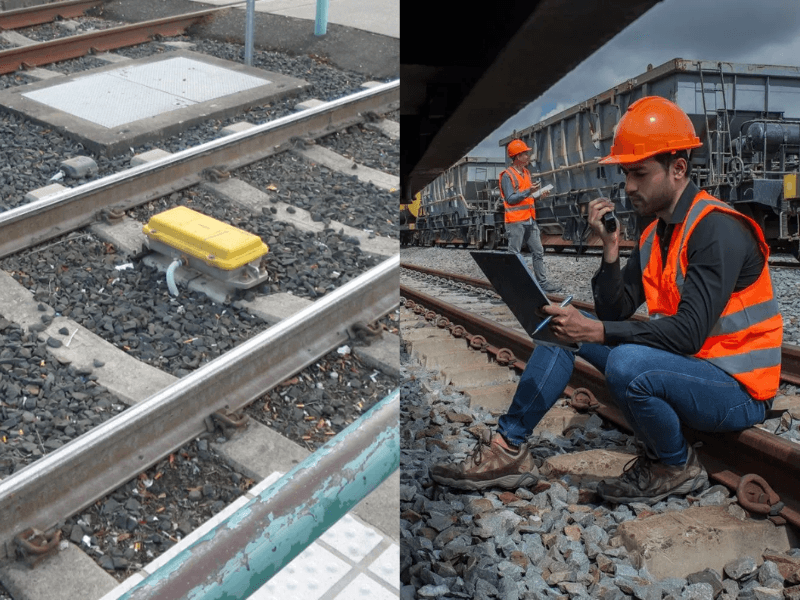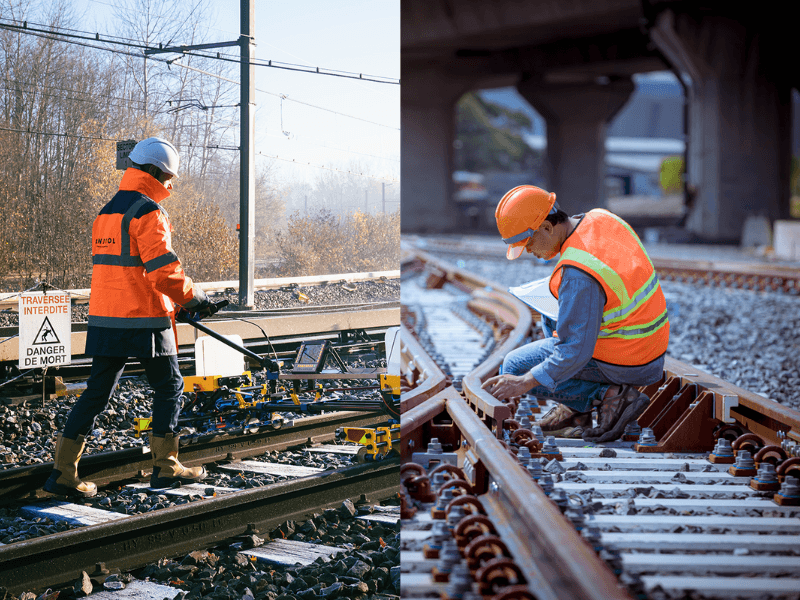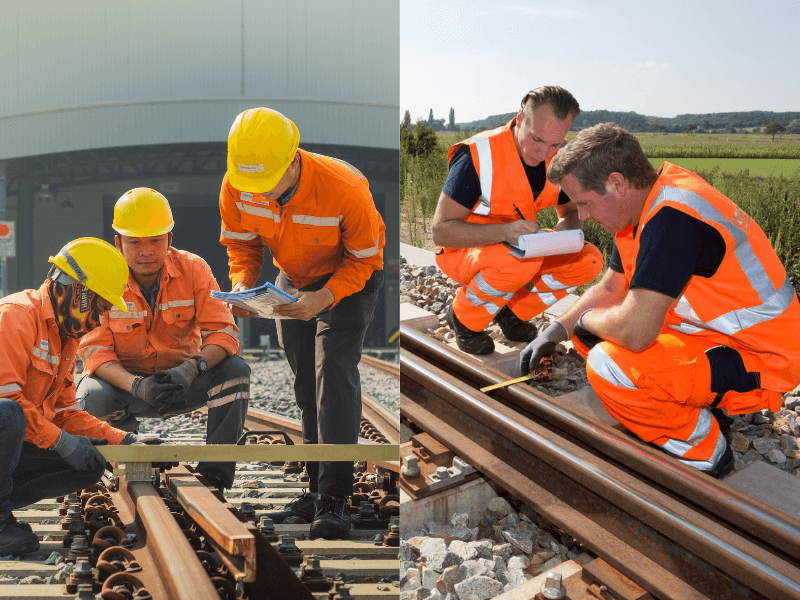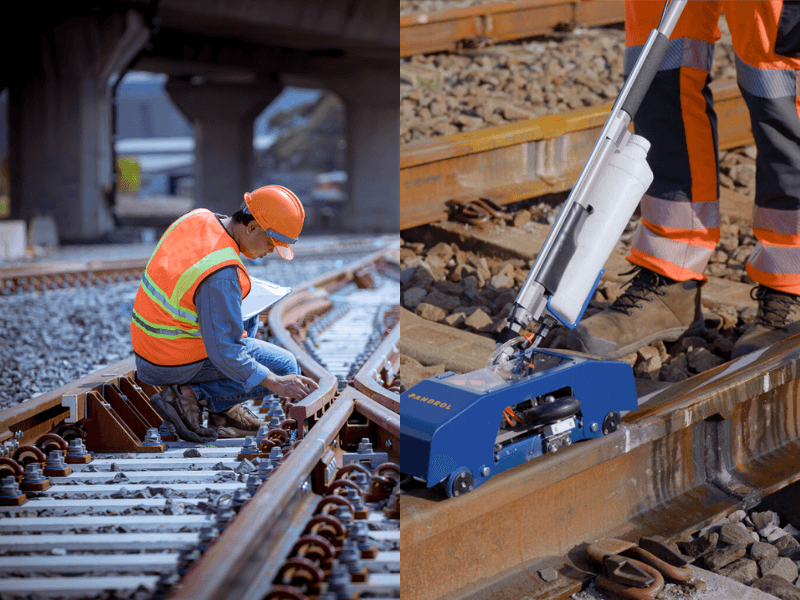
Railway Testing and Inspection
On-site Ultrasonic Rail Testing
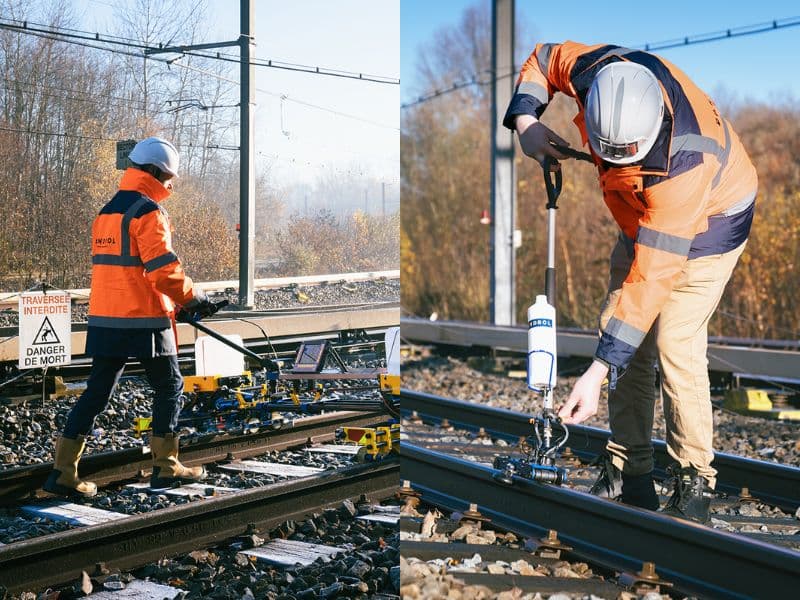
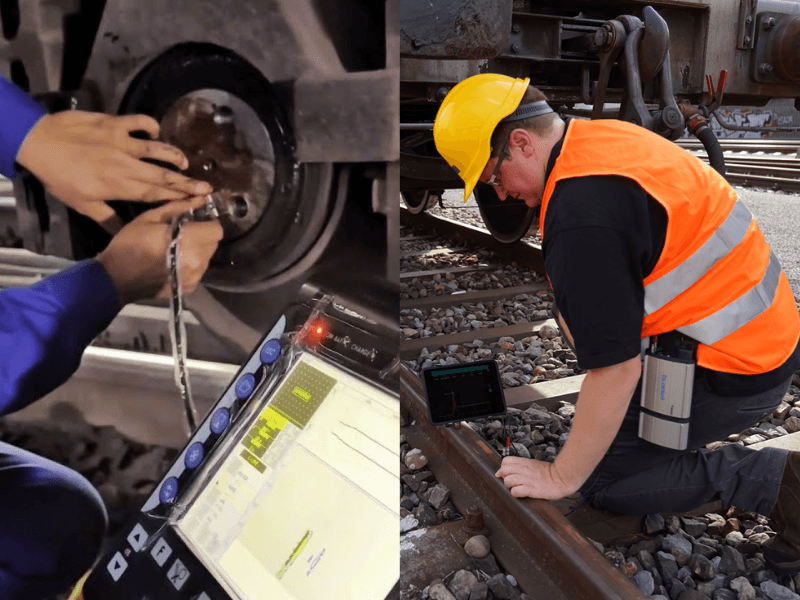
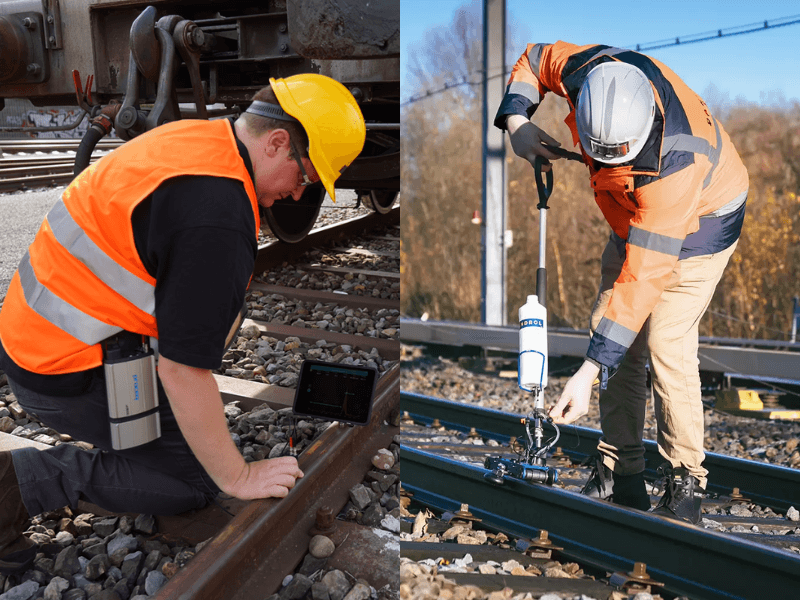
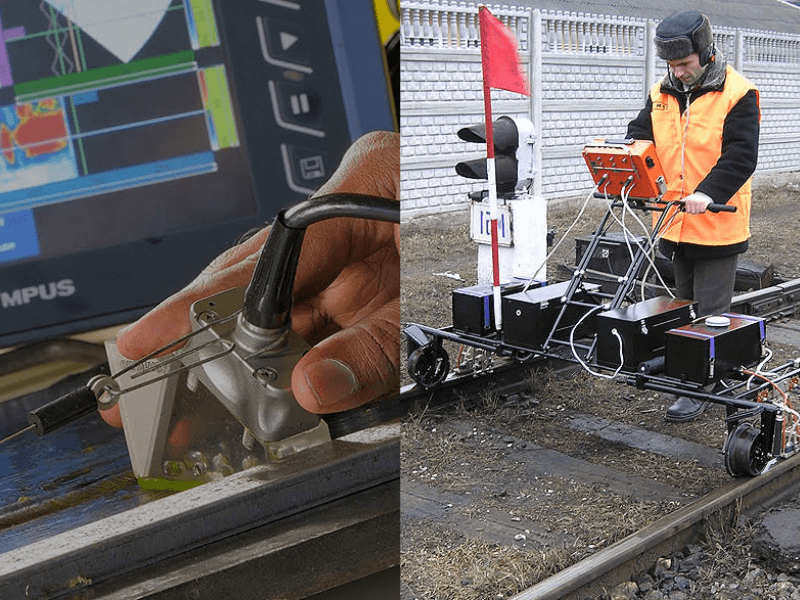
Ensure rail safety with on-site ultrasonic rail testing. Learn how field inspections detect hidden flaws for reliable, non-destructive maintenance.
Category
56 articlesPage 2 of 6
Railway Testing and Inspection
Ensure rail safety with on-site ultrasonic rail testing. Learn how field inspections detect hidden flaws for reliable, non-destructive maintenance.
Railway Testing and Inspection
Ensure rail safety with modern railway track defect detection methods. Learn key technologies, systems, and future trends to maintain track integrity.
Learn how automatic train protection systems improve railway safety by preventing accidents, enforcing speed limits, and reducing human error.
Railway Testing and Inspection
Discover the differences between Ultrasonic vs Visual Inspection for railway safety. Learn which method offers better flaw detection and efficiency.
Railway Testing and Inspection
Ensure safe railway operations with regular turnout inspection. Learn key parts, tools, maintenance steps, and how it helps prevent derailments and delays.
Railway Testing and Inspection
Learn how rail integrity testing ensures railway safety by detecting hidden flaws early with advanced inspection technologies and non-destructive methods
Railway Testing and Inspection
Compare top Non-Destructive Testing Methods, their pros and cons, applications, and how to choose or combine the right NDT techniques for your needs.
Railway Testing and Inspection
Discover the key differences between UT and PAUT, including how each works, their advantages, limitations, and when to choose one method over the other.
Railway Testing and Inspection
Ensure rail safety with ultrasonic thickness testing. Learn how this non-destructive method detects wear, reduces costs, and enhances track inspections.
Railway Testing and Inspection
Discover the differences between Aut and PAUT, their applications, advantages, and how they enhance advanced ultrasonic testing for reliable inspections.