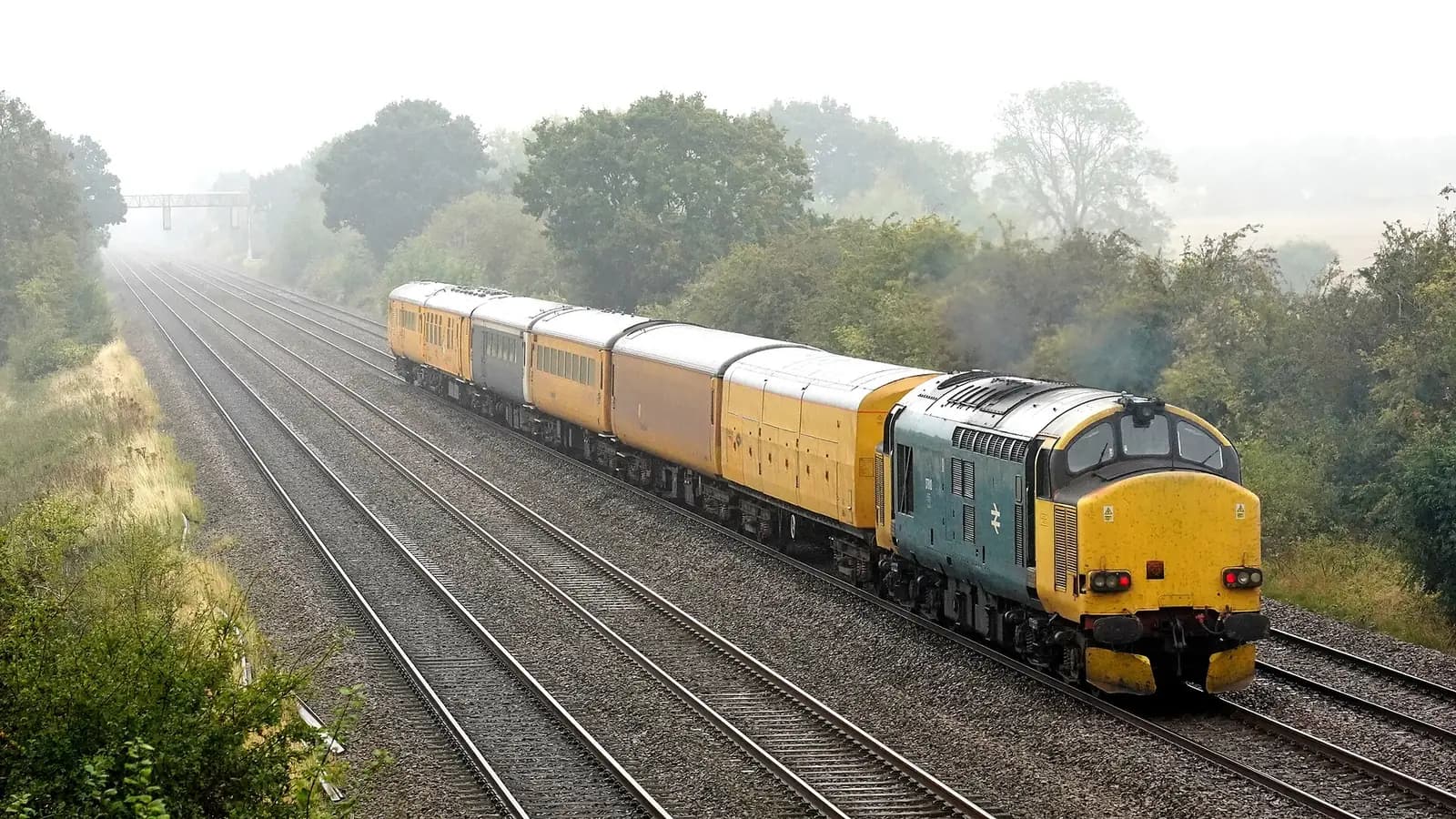

Essential Guide to Railway Track Inspection
Essential guide to railway track inspection covering methods, defects, tools, inspection types, reporting, and repairs to keep railway tracks safe.
Insights
271 articlesPage 12 of 28
Essential guide to railway track inspection covering methods, defects, tools, inspection types, reporting, and repairs to keep railway tracks safe.
Discover how Ultrasonic Flaw Detection finds hidden defects, the methods, equipment, advantages, and applications for safe, reliable inspections.
Learn essential rail maintenance tips to extend track life, including inspections, grinding, ballast care, and preventive planning for safer, longer‑lasting tracks.
Detecting rail defects under FRA rules: 213.233 visual signs, 213.237 test intervals, UT probe channels and the 213.113 remedial action for each defect.
Ensure metro and light rail safety with Ultrasonic Rail Testing. Detect hidden defects, prevent failures, and optimise rail maintenance efficiently.
Buying rail inspection services for a transit agency? Who regulates your track (FRA, FTA or the state SSOA), and what to put in the RFP, scope and evaluation.
Ultrasonic rail testing services for freight, short line and industrial track: 213.237 intervals, deliverables, how to scope a quote and what drives price.
Nondestructive evaluation techniques for rail, rated by readiness: PAUT, EMAT, air-coupled UT, ACFM, guided waves, vision and AI, plus what 213.237 requires.
High-speed ultrasonic rail inspection at 40 mph: a 1,000 Hz channel fires every 17.9 mm. How PRF, coupling and prove-up limit detection, and what to specify.
Learn the key differences between NDT and UT, their uses, methods, and when to choose each for accurate, non-destructive material inspection.