
Rail Joints: Types, Problems, and Solutions
Explore the types, problems, and solutions of rail joints, including maintenance tips and modern alternatives for safer, efficient railway tracks.
Category
68 articlesPage 3 of 7
Explore the types, problems, and solutions of rail joints, including maintenance tips and modern alternatives for safer, efficient railway tracks.
learn what rail ties are, how they work, materials used, maintenance needs, and why they matter for railway safety and efficiency.
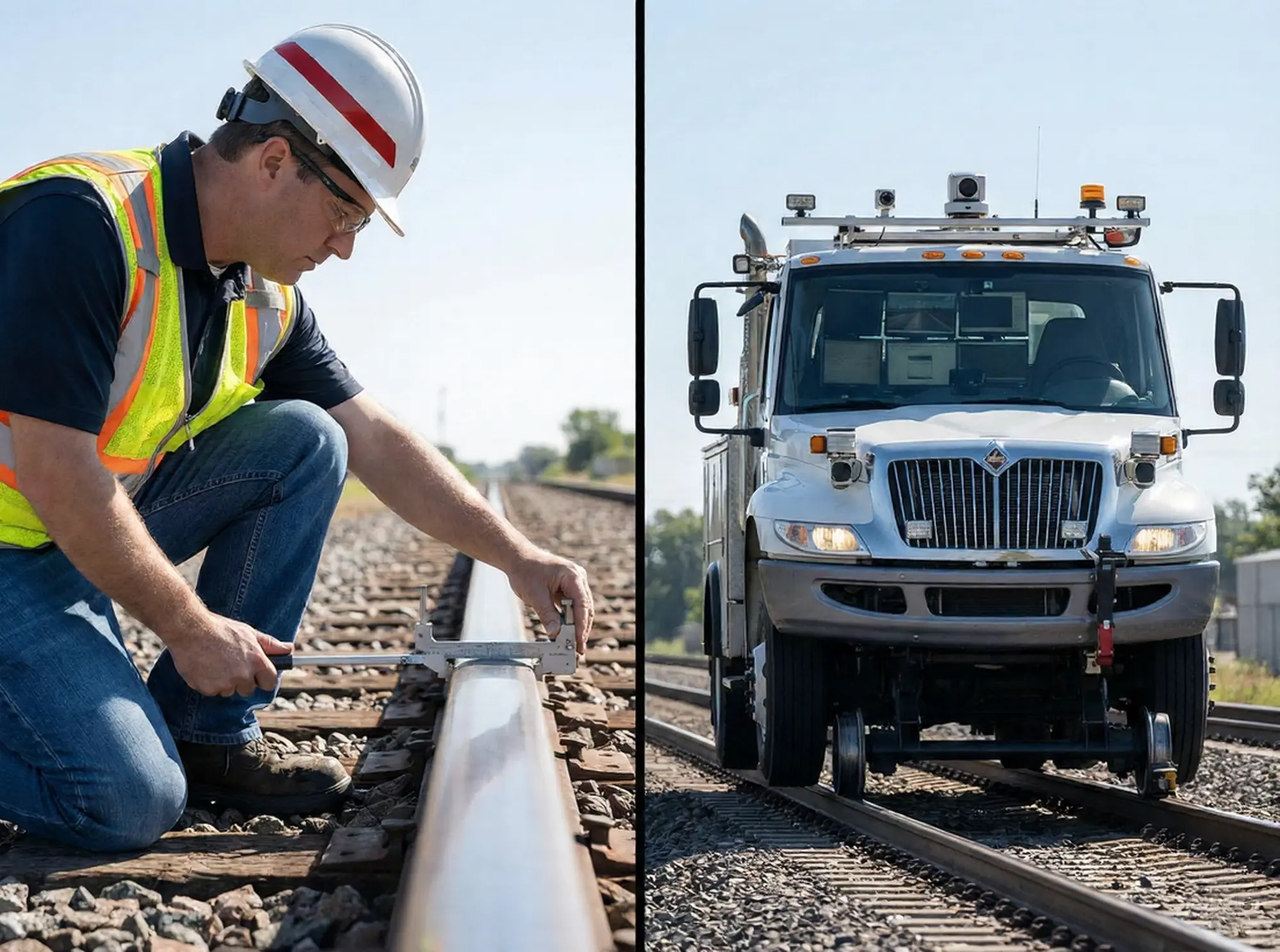
Essential guide to railway track inspection covering methods, defects, tools, inspection types, reporting, and repairs to keep railway tracks safe.
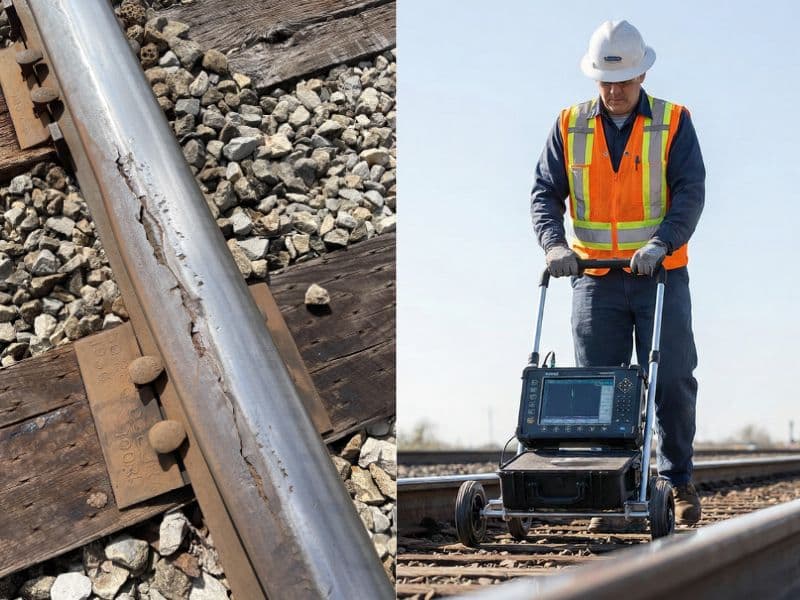
Discover how Ultrasonic Flaw Detection finds hidden defects, the methods, equipment, advantages, and applications for safe, reliable inspections.
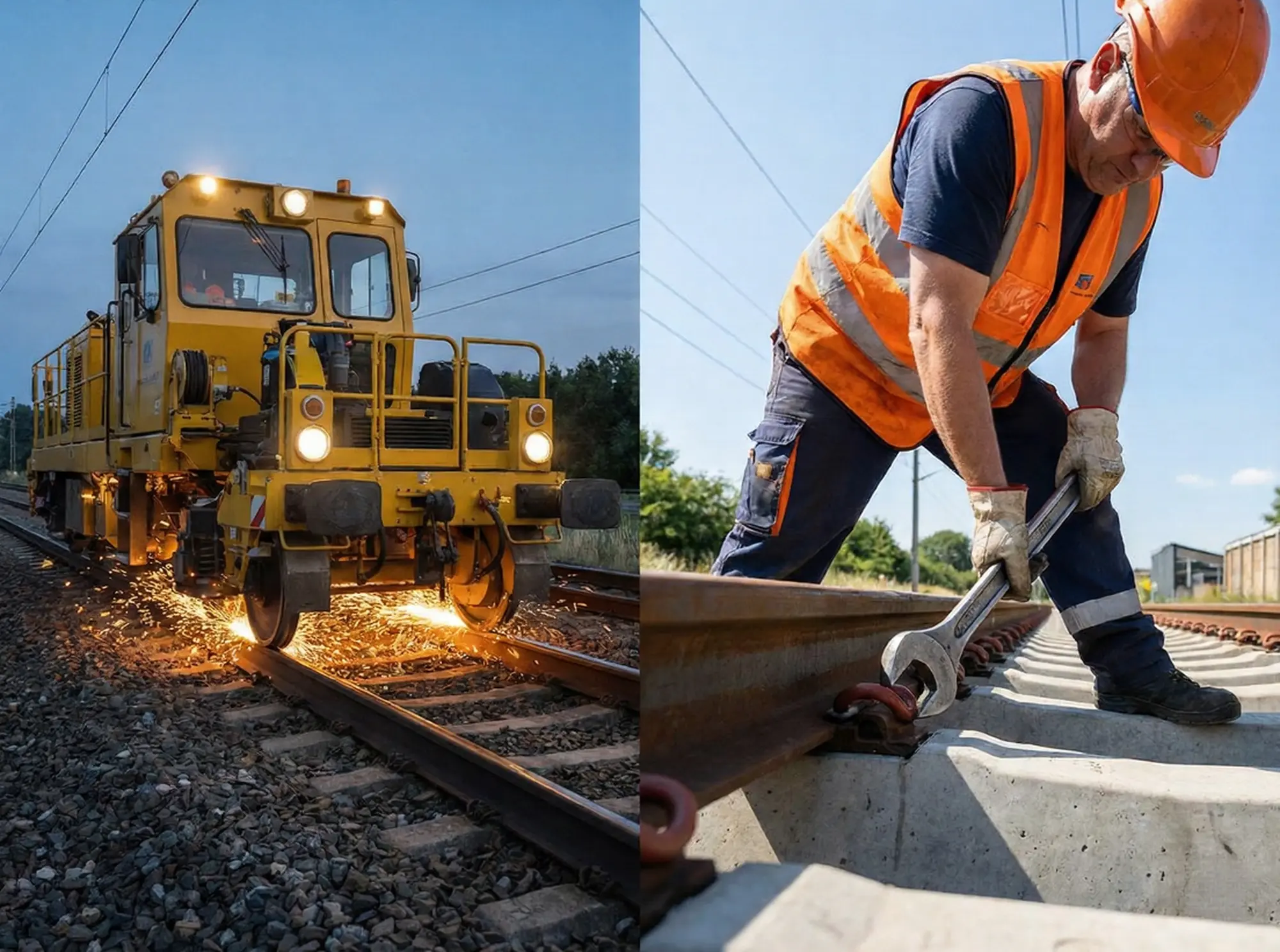
Learn essential rail maintenance tips to extend track life, including inspections, grinding, ballast care, and preventive planning for safer, longer‑lasting tracks.
Detecting rail defects under FRA rules: 213.233 visual signs, 213.237 test intervals, UT probe channels and the 213.113 remedial action for each defect.
Ultrasonic rail testing for metro and light rail: embedded and grooved rail, third rail, tight curves, short night windows, defect terms and a 20-mile plan.
Buying rail inspection services for a transit agency? Who regulates your track (FRA, FTA or the state SSOA), and what to put in the RFP, scope and evaluation.
Ultrasonic rail testing services for freight, short line and industrial track: 213.237 intervals, deliverables, how to scope a quote and what drives price.
Nondestructive evaluation techniques for rail, rated by readiness: PAUT, EMAT, air-coupled UT, ACFM, guided waves, vision and AI, plus what 213.237 requires.