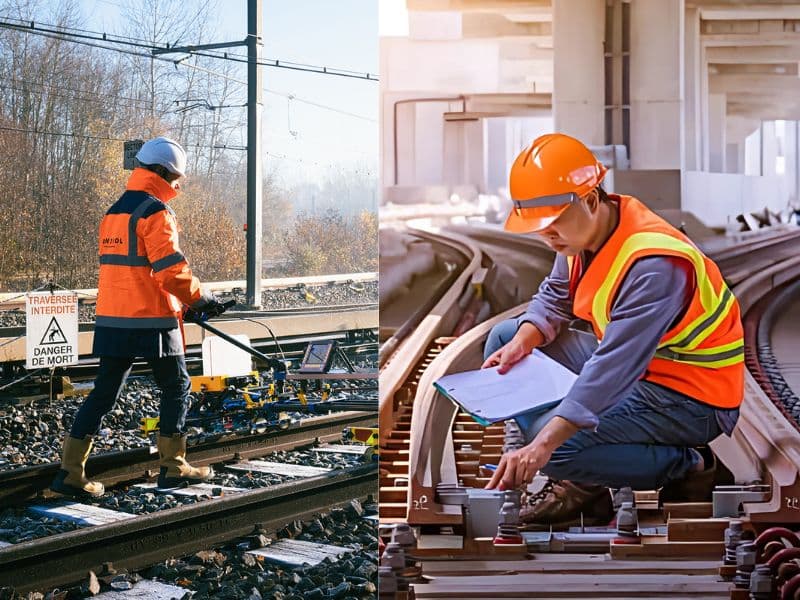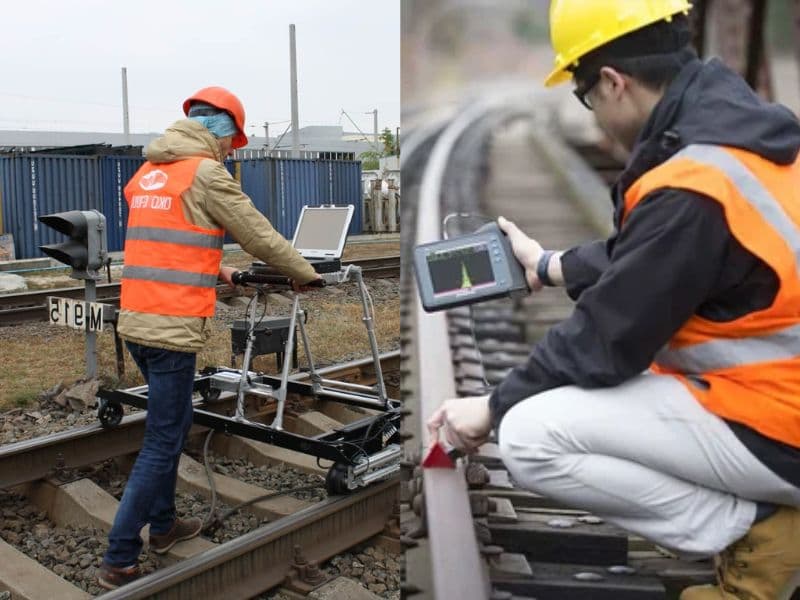
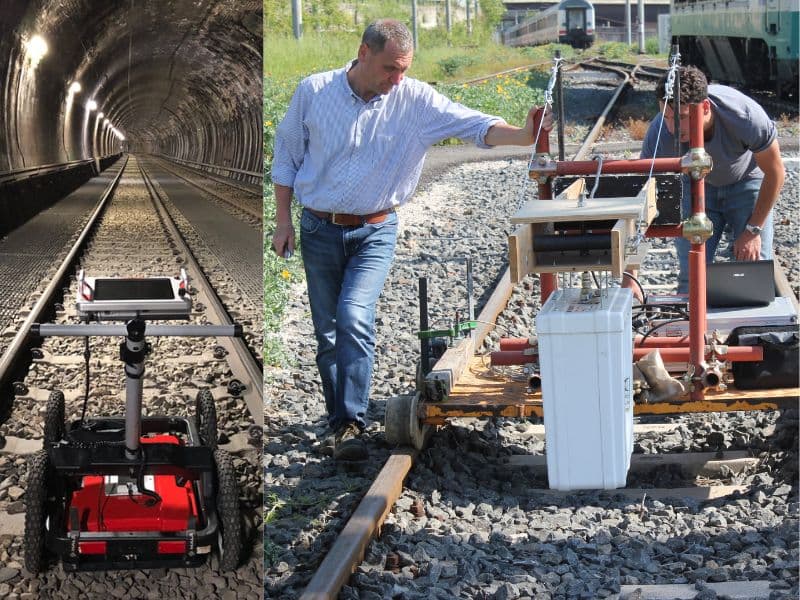
What is GPR in Railway?
Discover how GPR in railway helps inspect track beds, monitor ballast, detect defects, and support predictive maintenance for safer, efficient rail networks.
Category
68 articlesPage 6 of 7
Discover how GPR in railway helps inspect track beds, monitor ballast, detect defects, and support predictive maintenance for safer, efficient rail networks.
Learn about railway gauges and the three types of thickness gauges in railways, including ultrasonic, digital, and non-destructive testing methods.
Learn about Railway preventive maintenance, including inspections, track and ballast care, lubrication, bridges, tunnels, and modern maintenance trends.
Railway technical standards by component: 49 CFR 213 geometry, AREMA and ASTM rail, AWS D15.2 welds, SNT-TC-1A, Parts 234–237 and transit rules, mapped.
Learn how Predictive Maintenance for The Railway uses vibration analysis, infrared thermography, oil analysis, ultrasonic testing, and IoT for safer, efficient operations.
Ultrasonic rail testing standards compared: EN 16729, ISO 5735-1, FRA 213.237, Canada and ARTC rules, with test intervals, personnel and a 25 MGT example.
Explore how Ultrasonic Rail Testing enhances smart railway inspection, predictive maintenance, and rail safety with advanced non-destructive technology.
Railroad quality control ensures safety, reliability, and compliance in modern railways through inspections, track testing, technology, and audits.
Discover modern Rail Damage Detection Technologies, including AI, sensors, and predictive tools, to prevent track failures and ensure safe rail operations.
Hiring professional rail inspection services? Scope options, 213.241 records and defect reports, 213.238 operator checks, cost drivers and questions to ask.