Enhancing Safety in Rail Operations: Best Practices and Technologies
Boost safety in rail operations with top practices, smart dispatching systems, and cutting-edge tech like PTC and AI monitoring. Stay efficient and secure.
Author
163 articlesPage 9 of 17
Boost safety in rail operations with top practices, smart dispatching systems, and cutting-edge tech like PTC and AI monitoring. Stay efficient and secure.
Explore key 2025 railway guidelines in the USA, including FRA safety regulations, compliance rules, and updates every rail operator needs to know.
Derailment Prevention and Recovery
Stay safe near trains in 2025 with essential railway safety tips, learn how to avoid risks at crossings, platforms, and tracks. Be alert, stay protected.
Discover how railway safety inspection ensures train safety by checking tracks, signals, and structures to prevent accidents and keep operations running.
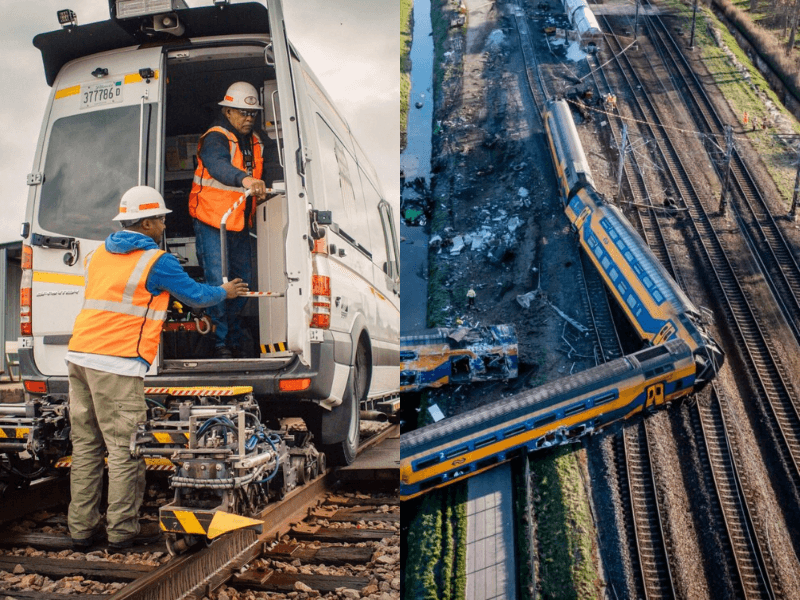
Discover key strategies and technologies in train accident prevention. Learn how modern railways ensure safety through upgrades, monitoring, and global reforms.
Railway Testing and Inspection
Discover the key differences between UT and PAUT, including how each works, their advantages, limitations, and when to choose one method over the other.
Railway Testing and Inspection
Ensure rail safety with ultrasonic thickness testing. Learn how this non-destructive method detects wear, reduces costs, and enhances track inspections.
Railway Testing and Inspection
Discover the differences between Aut and PAUT, their applications, advantages, and how they enhance advanced ultrasonic testing for reliable inspections.
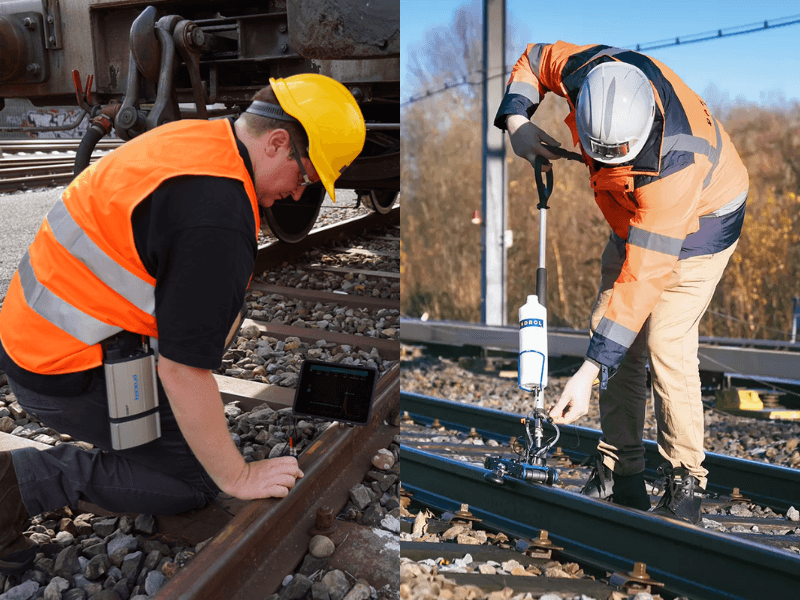
Prevent rail accidents with ultrasonic testing, detect rail cracks and flaws early to ensure railway safety through advanced ultrasonic inspection methods.
Railway Testing and Inspection
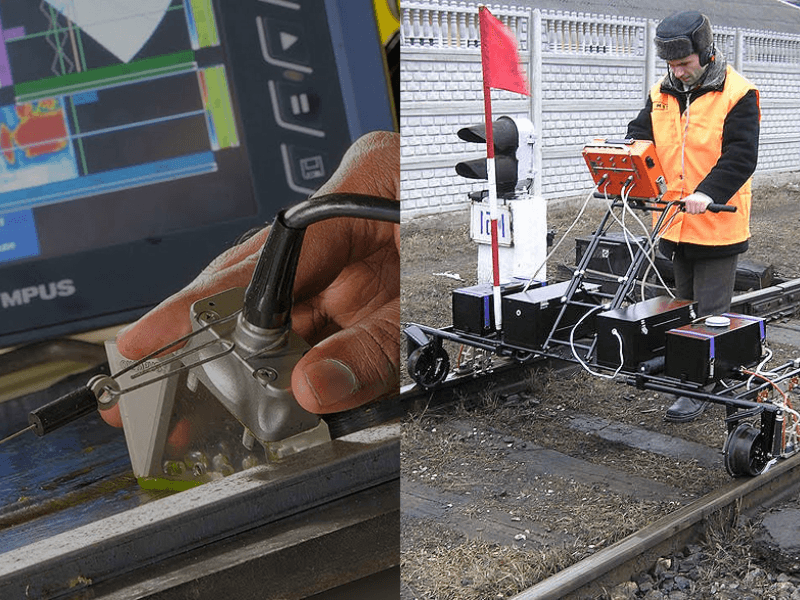
Discover the differences between manual vs automated ultrasonic testing in railways, including methods, equipment, pros, cons, and future inspection trends.