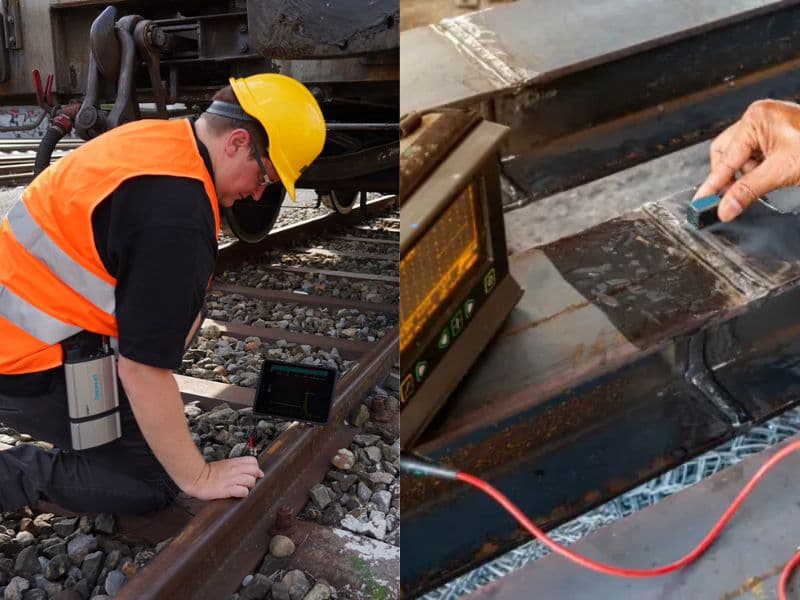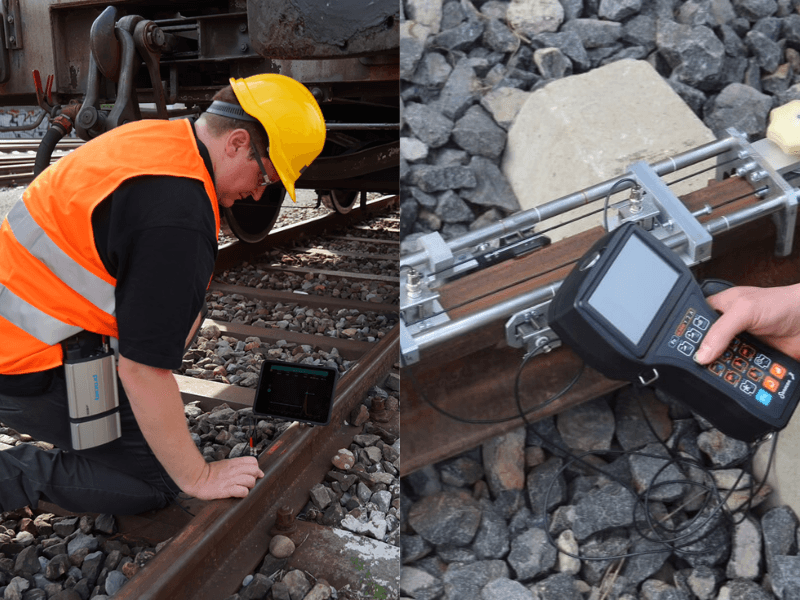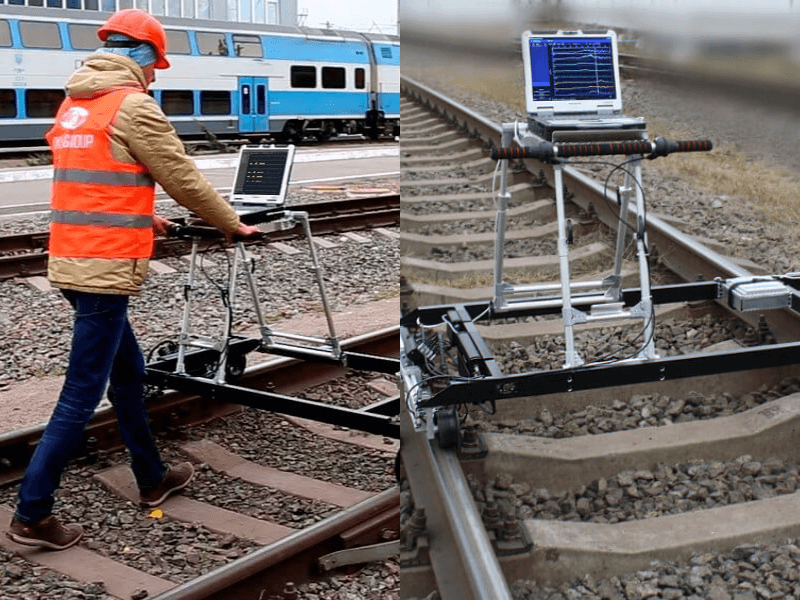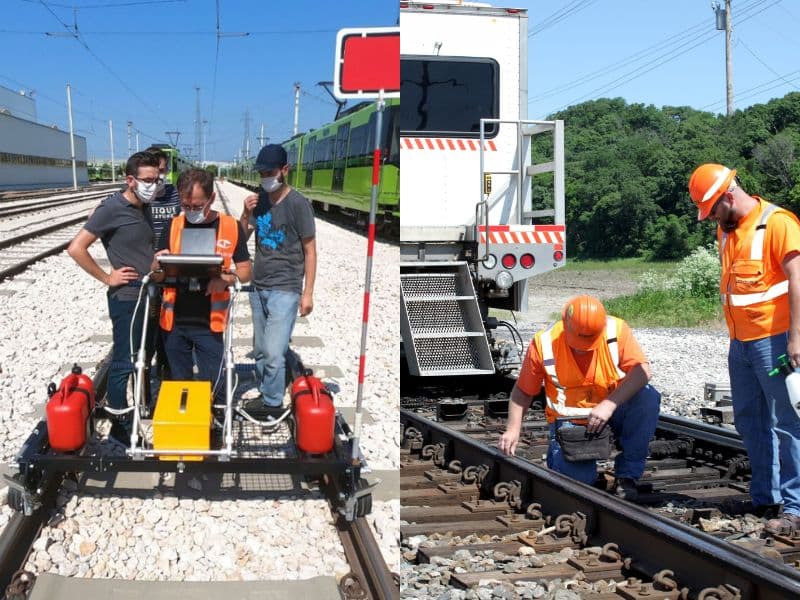
Railway Testing and Inspection
What is Guided Wave Ultrasonic Testing?
Learn what Guided Wave Ultrasonic Testing is, how it works, its applications in pipeline and rail flaw detection, plus its pros and cons in NDT methods.
Author
163 articlesPage 10 of 17
Railway Testing and Inspection
Learn what Guided Wave Ultrasonic Testing is, how it works, its applications in pipeline and rail flaw detection, plus its pros and cons in NDT methods.
Railway Testing and Inspection
Learn how Pulse-Echo Ultrasonic Inspection works for flaw detection, equipment used, applications, advantages, and limitations.
Railway Testing and Inspection
Discover how non-destructive testing ensures weld safety in the railway industry. Learn key NDT methods, benefits, and standards for reliable inspections.
Railway Testing and Inspection
Find rail flaw detection techniques to ensure track and structural reliability, including ultrasonic, eddy current, and more for safer railways.
Railway Testing and Inspection
Learn how eddy current testing enhances non-destructive inspection processes, detecting surface flaws, improving safety, and more across industries.
Discover how US high speed rail is transforming travel exploring key projects, benefits, and the challenges shaping the future of American transportation.
Railway Testing and Inspection
Discover how shear wave ultrasonic testing works, its role in weld inspection, key equipment used, benefits, and limitations in non-destructive testing.
Railway Testing and Inspection
Explore the main types of Ultrasonic Testing in NDT, from basic methods to advanced techniques like PAUT, TOFD, and EMAT for accurate flaw detection.
Railway Testing and Inspection
Learn the ultrasonic testing process with this step-by-step guide. Discover its procedure, applications, advantages, limitations, and common inspection methods.
Railway Testing and Inspection
Explore the advantages and disadvantages of ultrasonic testing, including its applications, and methods for inspecting materials and ensuring safety.