Railway safety depends on more than just strong rails, it relies on constant, accurate inspection. Automated track inspection systems are changing the game by replacing slow, manual checks with fast, tech-driven monitoring. These systems use advanced sensors, rail inspection vehicles, and smart software to scan tracks with precision, often while trains are still running.
In this article, you’ll learn what automated track inspection systems are, how they work, and why they’re becoming essential to modern rail networks. We’ll explore the technologies behind them, the benefits they bring, real-world examples, and what the future holds for railway track monitoring.
Whether you're in the industry or just curious about how railroads stay safe, this guide breaks it down in simple terms.
What Are Automated Track Inspection Systems?
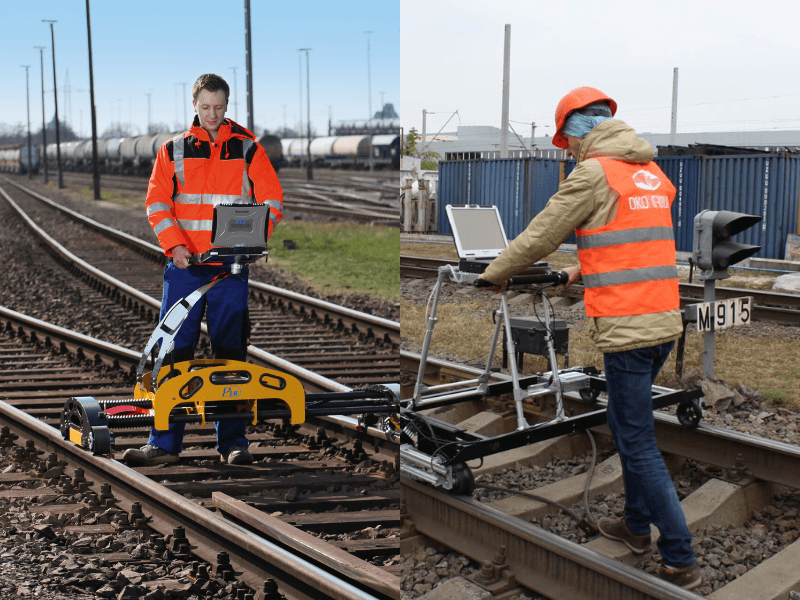
Automated track inspection systems are modern solutions designed to monitor and assess the condition of railway tracks without the need for constant manual checks. These systems use advanced technology, such as sensors, high-resolution cameras, and smart data processors, to scan tracks in real-time, often mounted on moving rail inspection vehicles. The result? Faster, more accurate, and safer inspections that keep train operations running smoothly. Unlike traditional manual inspection, which involves teams physically walking the tracks to look for faults, automated systems allow inspections to happen frequently and at scale. Manual methods are not only time-consuming but also leave room for human error and often require scheduling track closures. On the other hand, automated rail inspection can take place at regular intervals, even during train runs, without disrupting services. Key tools and components of automated inspection systems include:- Rail inspection vehicles: Specialized trains or cars equipped with multiple sensors to scan track conditions at high speed.
- Track-side sensors and cameras: Installed along the rail line to monitor specific problem areas.
- Smart inspection systems: Use AI and machine learning to process data and detect early signs of wear, cracks, or alignment issues.
- Real-time data dashboards: Allow engineers and maintenance crews to view detailed reports instantly and prioritize urgent repairs.
Key Technologies Used in Railway Track Monitoring
The magic behind automated track inspection systems lies in the advanced technologies that make precise, real-time monitoring possible. These systems combine various inspection methods to ensure full coverage of the rail network, each designed to catch different types of flaws and stress points in the track structure.Ultrasonic Track Inspection
This method uses high-frequency sound waves to detect internal defects in rails, flaws that are invisible to the human eye. Ultrasonic transducers send pulses into the metal; if the wave hits a crack or void, it reflects back, signaling a potential problem. Advantages of ultrasonic inspection:- Identifies internal cracks and fatigue early
- Works on both straight tracks and complex turnouts
- Highly accurate when mounted on a moving rail vehicle
Optical, Laser, and GPS Systems
Visual and laser-based systems provide another layer of inspection by capturing detailed images of the track surface and alignment. These systems can detect:- Surface cracks
- Misalignments
- Gauge irregularities
- Rail wear and corrosion
Smart Inspection Systems for Tracks
Smart inspection systems bring all this data together using AI and machine learning. These platforms process massive amounts of input from sensors, images, and GPS data to:- Identify patterns in wear and stress
- Predict future failures
- Prioritize maintenance tasks based on risk
Benefits of Automated Rail Inspection
The introduction of automated track inspection systems has brought major improvements in how railways manage track health. These systems not only replace outdated manual methods but also raise the bar for what’s possible in terms of safety, efficiency, and cost-effectiveness.Faster and More Accurate Inspections
With rail inspection vehicles moving at normal train speeds, entire track sections can be scanned in a fraction of the time it takes a human team. There's no need for special scheduling or track shutdowns, automated systems work without slowing down operations.- Inspections can occur daily, not just monthly or quarterly
- Real-time alerts allow for quick response to developing issues
- Accuracy is enhanced through laser, ultrasonic, and AI-supported analysis
Better Fault Detection, Fewer Disruptions
Manual inspection can miss small cracks or alignment issues that later become serious. But automated rail inspection systems can detect:- Micro-cracks
- Loose fasteners
- Track misalignments
- Gauge widening and deformation
Cost Savings and Improved Safety
Investing in automation may seem expensive at first, but it pays off over time. Maintenance becomes targeted, reducing unnecessary repairs and downtime. Key benefits include:- Fewer emergency repairs and service delays
- Reduced labor costs for manual inspections
- Safer working conditions for crews
- Better asset management with data-driven insights
Real-World Use and Challenges
Many rail operators around the world have already embraced automated track inspection systems, using them to monitor everything from high-speed passenger lines to busy freight corridors. These systems are now part of daily operations in countries like the U.S., Japan, Germany, and Australia.Where and How They’re Used Today
- U.S. freight railroads use automated inspection cars to scan thousands of miles of track weekly
- European networks combine laser and video systems to maintain strict safety standards
- Asian high-speed rail systems rely on AI-driven tools for predictive maintenance
Common Obstacles: Cost, Integration, and Data Overload
Despite the clear benefits, a few barriers still slow down adoption:- High startup costs: Buying and maintaining inspection vehicles and software can be expensive
- System integration: Older infrastructure may need upgrades to work with automated tools
- Data management: These systems generate huge volumes of data, and analyzing it properly requires skilled staff and robust IT systems
The Future of Railway Inspection Systems
The future of automated track inspection systems is not just about spotting problems, it’s about predicting them before they cause disruptions. Thanks to rapid advances in artificial intelligence and machine learning, the railway industry is moving from reactive to proactive maintenance strategies.AI and Predictive Maintenance
Artificial intelligence is turning rail inspection data into powerful insights. Instead of just flagging existing issues, AI-driven systems analyze historical patterns, sensor trends, and environmental factors to predict future problems. This allows maintenance teams to plan ahead and prevent failures before they occur. With AI and predictive tools, operators can:- Spot unusual wear patterns before they escalate
- Schedule repairs with minimal disruption to services
- Reduce emergency callouts and costly shutdowns
Trends in Automation and System Upgrades
New technologies continue to enhance the capabilities of railway track monitoring. Some of the biggest trends shaping the future include:- Drone-based inspections for hard-to-reach areas
- Edge computing to process inspection data directly on vehicles
- Autonomous rail inspection vehicles that operate without human oversight
- Cloud integration for instant data sharing across departments
Long-Term Impact on Railway Maintenance
As smart inspection systems for tracks become more advanced and affordable, their use will likely become standard across both public and private rail networks. The long-term impact will include:- Fewer service delays and accidents
- Lower maintenance costs due to optimized scheduling
- Extended lifespan of rail assets through better care
- Improved passenger confidence and service reliability
Conclusion
Railways are the backbone of transportation, and keeping them safe is no small task. Automated track inspection systems have stepped in to modernize this process, offering a smarter, faster, and more accurate way to monitor track conditions. With technologies like ultrasonic sensors, AI-powered data analysis, and GPS-enabled rail inspection vehicles, railway operators can detect faults early, reduce service disruptions, and lower long-term maintenance costs. As the industry moves toward predictive maintenance and fully automated solutions, the future of railway track monitoring looks promising. What was once a labor-intensive and error-prone job is now driven by innovation, helping to build safer, more reliable rail networks worldwide. For railway companies looking to stay ahead, investing in smart inspection systems is no longer optional, it’s the new standard.Key Points
- Automated track inspection systems use sensors, AI, and rail inspection vehicles to monitor tracks without manual checks.
- These systems are faster, safer, and more accurate than traditional manual inspections.
- Key components include ultrasonic sensors, high-resolution cameras, GPS, and real-time data dashboards.
- Rail inspection vehicles can scan tracks at normal speeds, allowing frequent inspections without service disruption.
- Technologies like ultrasonic track inspection detect internal rail flaws invisible to the human eye.
- Laser and optical systems identify surface-level defects, misalignments, and rail wear with high precision.
- Smart inspection systems for tracks use AI to analyze data, detect patterns, and enable predictive maintenance.
- Benefits include early fault detection, fewer delays, reduced labor costs, and improved rail safety.
- Challenges include high initial costs, data management complexity, and the need to upgrade older infrastructure.
- The future of railway maintenance lies in AI-driven, automated systems that predict problems before they happen.