
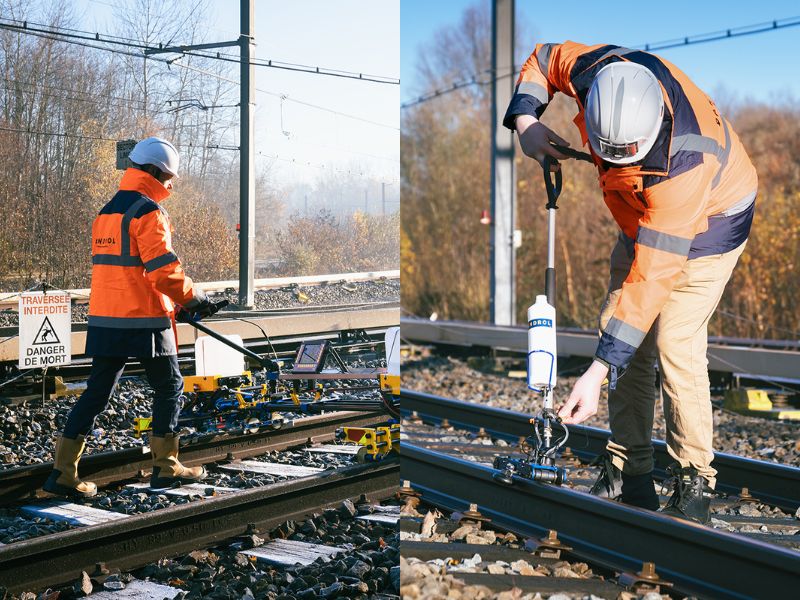
Which method can detect hidden cracks in a structure, without breaking it apart? That’s where Non-Destructive Testing Methods come into...
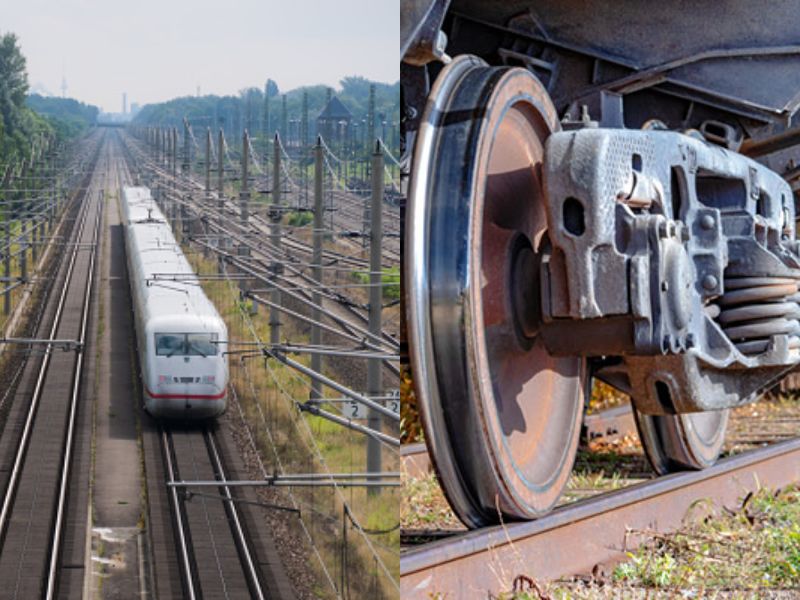
How does a train run on the track without slipping or moving sideways?
Ever wondered how trains stay on the track even when they travel at high speeds or go around sharp curves?...

How Do Train Accidents Happen?
Why do train accidents still happen in an age of high-tech rail systems? Despite advances in transportation, train accidents continue...

Enhancing Safety in Rail Operations: Best Practices and Technologies
What does it really take to keep rail operations running safely and smoothly every day? With millions of passengers and...
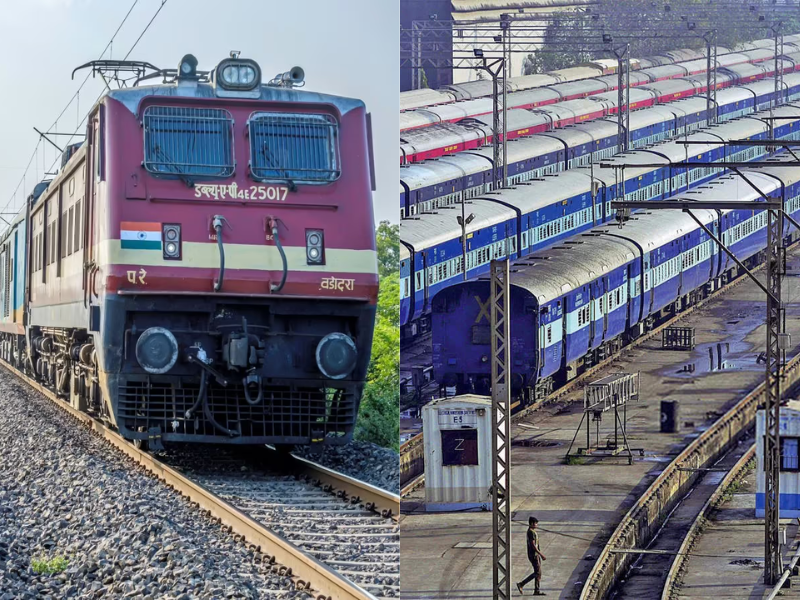
Railway Guidelines in the USA (2025): What Operators Need to Know
If you’re an operator, staying updated on the latest railway guidelines isn’t just helpful, it’s essential for staying compliant and...

Top Railway Safety Tips Everyone Should Know in 2025
Ever wondered how a simple mistake near train tracks could turn into a life-threatening situation? With trains getting faster and...

How Railway Safety Inspections Keep Trains on Track
How do trains stay safe while traveling thousands of miles on steel tracks? One of the biggest reasons is the...

Train Accident Prevention: How Modern Railways Stay Safe
What keeps millions of train journeys running smoothly every day without disaster? The answer lies in train accident prevention, a...
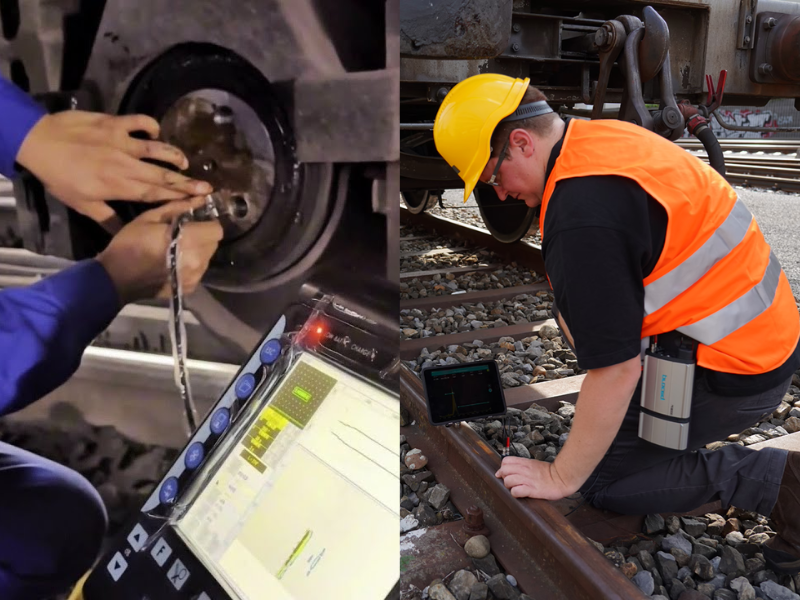
What’s the difference between UT and PAUT?
What’s the real difference between UT and PAUT, and why does it matter? Whether you’re working in oil and gas,...
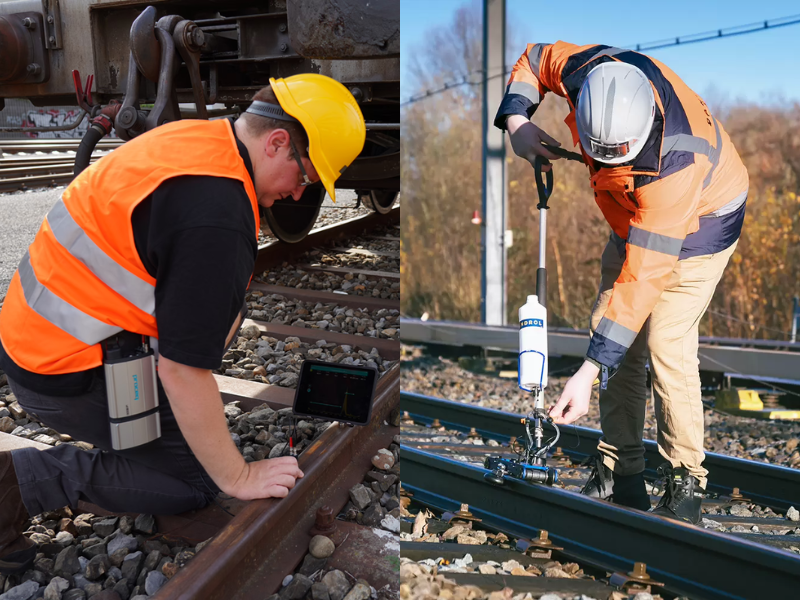
Ultrasonic Thickness Testing in Railway Inspection
How can we ensure that railway tracks remain safe and reliable without causing damage during inspections? Ultrasonic thickness testing offers...
- 1
- 2