
Railway Testing and Inspection
Internal Rail Defect Detection Methods, Ranked by Maturity
Internal rail defect detection methods ranked by maturity: contact UT, induction and hand UT in service; phased array, EMAT and non-contact UT still in pilots.
Insights
270 articlesPage 10 of 27
Railway Testing and Inspection
Internal rail defect detection methods ranked by maturity: contact UT, induction and hand UT in service; phased array, EMAT and non-contact UT still in pilots.
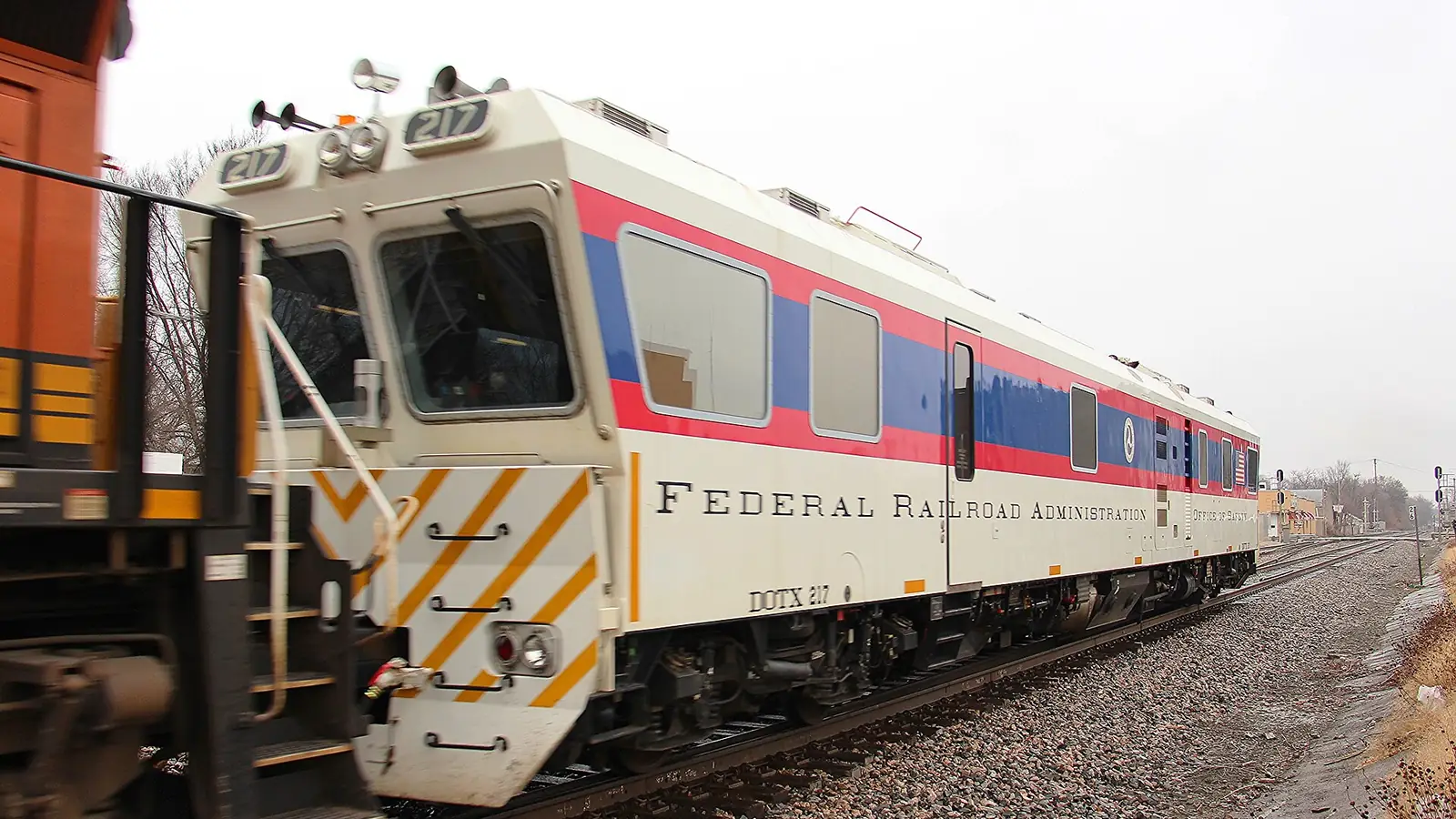
Hiring hi-rail rail flaw testing? Part 214 track protection, 214.523 hi-rail checks, suspect verification, 213.241 records and the qualifications to request.
PAUT vs TOFD on rail welds: why TOFD rarely suits thermite or flash-butt welds, where PAUT helps, and what standards and hand UT actually govern.
Learn how ultrasonic rail flaw detection works, its techniques, benefits, and role in railway safety with this complete and easy-to-understand guide.
URFS vs Traditional Railway Inspection Methods explained. Discover key differences, benefits, and why railways are shifting to smarter inspection systems.
Automated ultrasonic systems encode probe position and store every scan. Where API 1104, ASTM E1961 and ASME V accept AUT, a worked scan example and limits.
Railway Testing and Inspection
Magnetic particle testing technique guide: yoke, prod, coil and head shot fields, AC vs HWDC vs FWDC, field checks, UV-A limits, demag and the standards map.
Railway Testing and Inspection
Visual testing of welds needs 100 fc (1000 lux) and the eye within 24 in. at 30° or more. AWS D1.1 visual limits, CWI vision rules and a worked example.
Railway Testing and Inspection
Explore the latest innovations in rail inspection technology and discover how AI, sensors, drones, and automation improve railway safety
Railway Testing and Inspection
Railroad track inspection under 49 CFR 213.233: weekly or twice-weekly checks by class, who may inspect, what is checked, records and remedial action.