
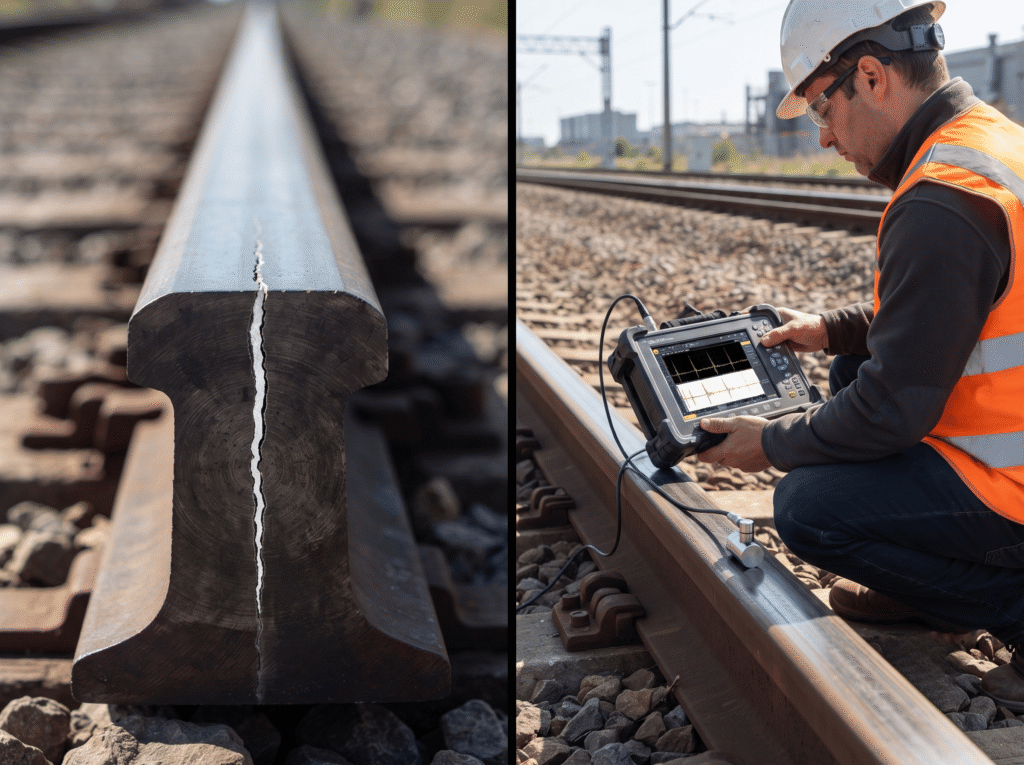
Rail failures happen quietly. Most people never see them. But for railway operators, vertical split head in rail represents an...
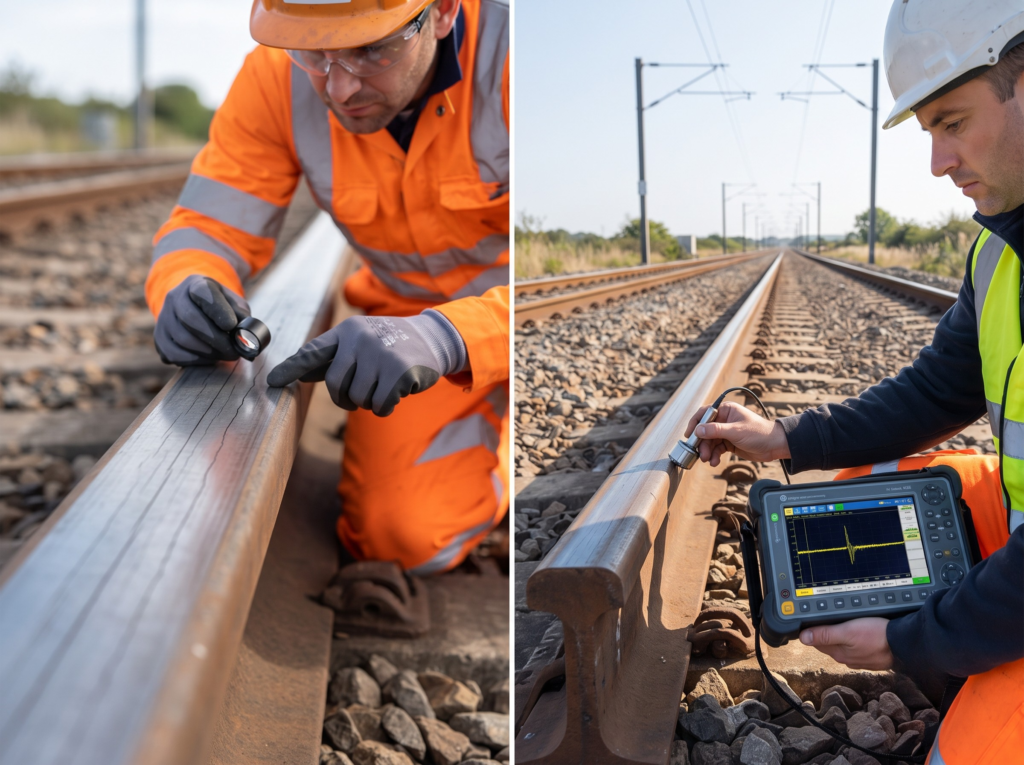
Head Checks Rail: Causes, Progression, and When Dangerous
Head checks rail. Three words that make maintenance crews sit up a little straighter. Anyone who has spent time around...
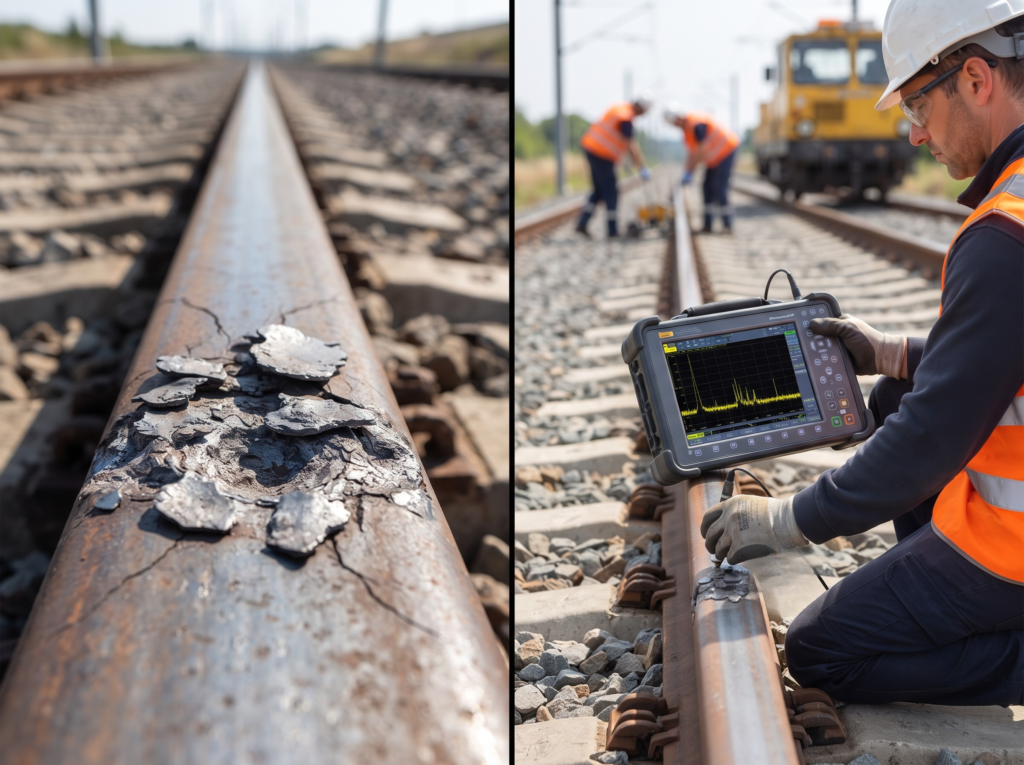
Rail Shelling Spalling: Surface Defects That Lead to Internal Failures
Rail shelling spalling starts small. A tiny flake lifts off the rail surface, barely visible, and most people walking the...
Enhancing Rail Predictive Maintenance with Advanced Data Technologies
Rail predictive maintenance is reshaping how rail networks prevent failures and cut downtime. It uses real-time data, smart analytics, and...
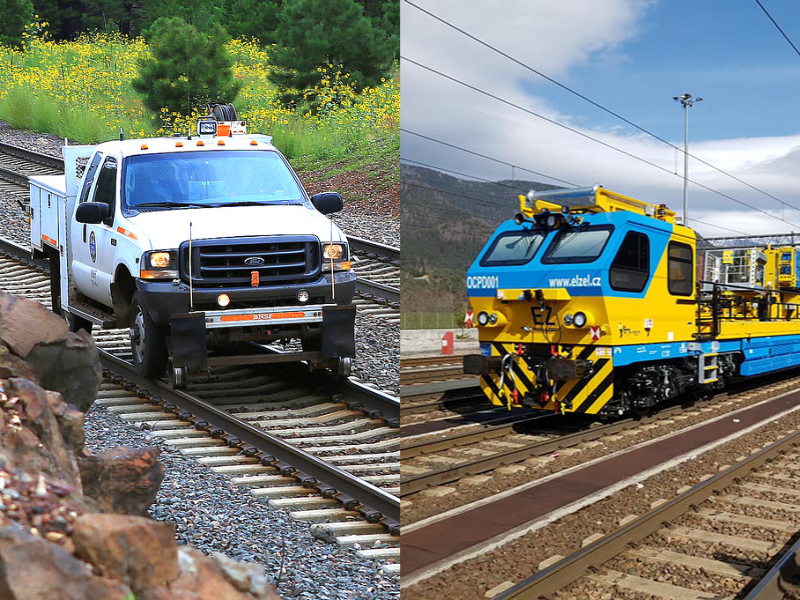
Railway Maintenance Vehicles: Ensuring Infrastructure Longevity and Safety
Trains may run on schedules, but it’s the quiet, behind-the-scenes work that keeps them running at all. Railway maintenance vehicles...
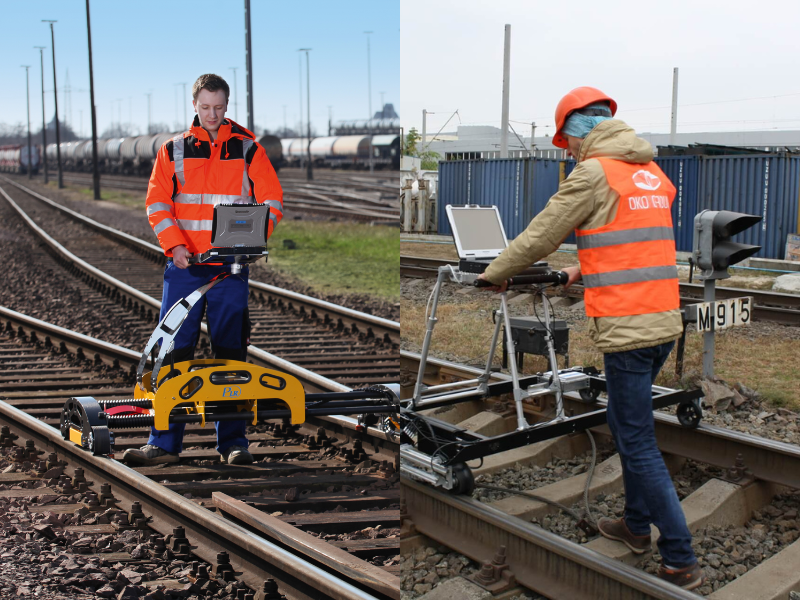
Automated Track Inspection Systems: Revolutionizing Railway Maintenance
Railway safety depends on more than just strong rails, it relies on constant, accurate inspection. Automated track inspection systems are...
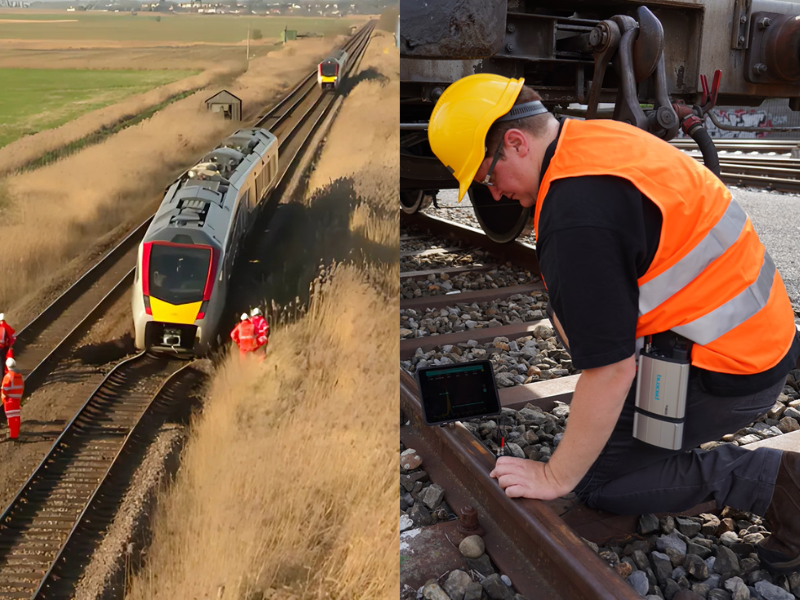
How Predictive Maintenance Reduces Rail Track Failures
Rail track failures can cause costly delays, safety risks, and disruptions in railway operations. Predictive maintenance is changing the game...

How AREMA Standards Support Flaw Detection in Railway Tracks
Every mile of railway track holds the weight of thousands of lives and tons of cargo, any hidden flaw can...

Modern Railway Operations: How Efficiency Meets Safety
Why do some railway systems run like clockwork, while others face constant delays and accidents? The answer often lies in...

Railway Track Design and Construction
Ever wondered what goes into building the train tracks that support thousands of tons of moving steel every day? Train...