
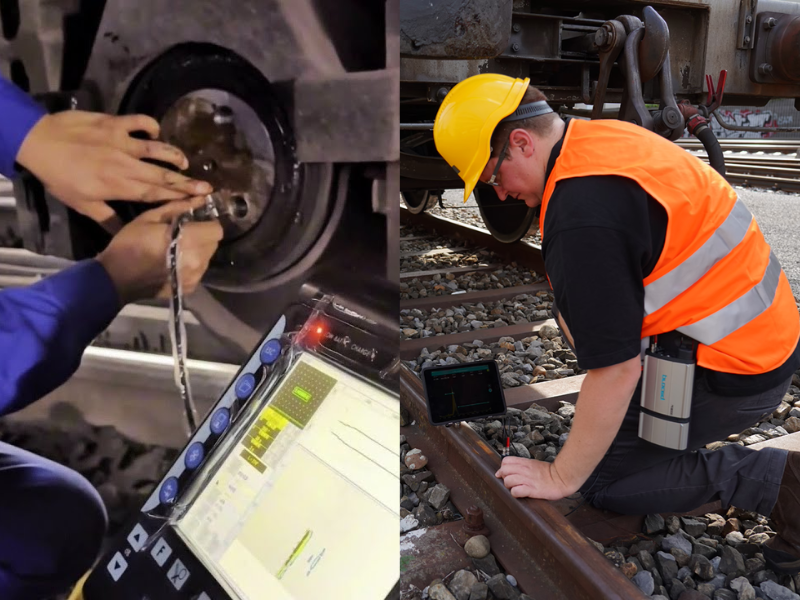
What’s the real difference between UT and PAUT, and why does it matter? Whether you’re working in oil and gas,...
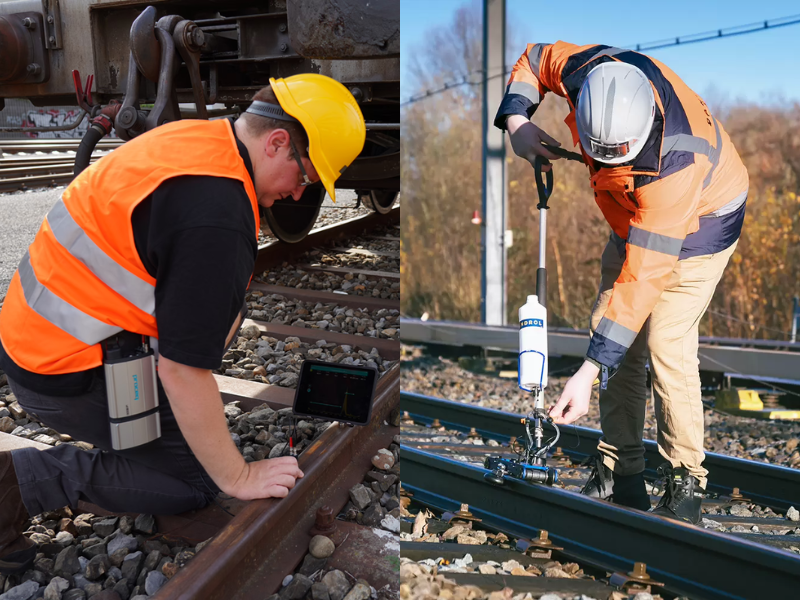
Ultrasonic Thickness Testing in Railway Inspection
How can we ensure that railway tracks remain safe and reliable without causing damage during inspections? Ultrasonic thickness testing offers...

What is the Difference Between AUT and PAUT?
What is Automated Ultrasonic Testing (AUT)? And how does it compare to Phased Array Ultrasonic Testing (PAUT)? If you’ve ever...
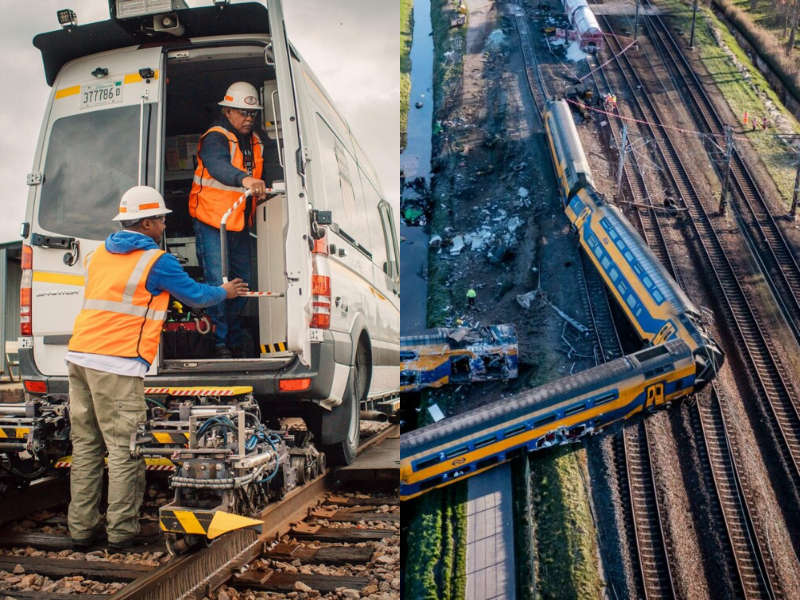
Preventing Rail Accidents with Ultrasonic Testing
How do rail inspectors catch dangerous cracks before they cause a disaster? The answer lies in advanced technology, specifically, ultrasonic...

Manual vs Automated Ultrasonic Testing in Railways
Why is regular rail inspection so crucial to railway safety and which method gives better results: manual or automated ultrasonic...
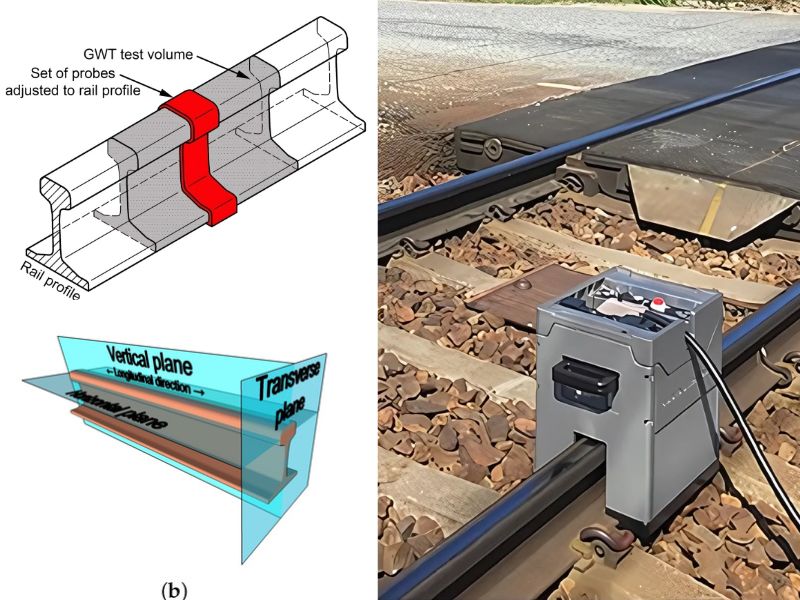
What is Guided Wave Ultrasonic Testing?
Have you ever wondered how engineers detect flaws in hard-to-reach areas of pipelines or rails without causing damage? Guided Wave...

What Is Pulse-Echo Ultrasonic Inspection?
Pulse-Echo Ultrasonic Inspection is a powerful non-destructive testing (NDT) method that allows engineers to detect internal flaws in solid materials...
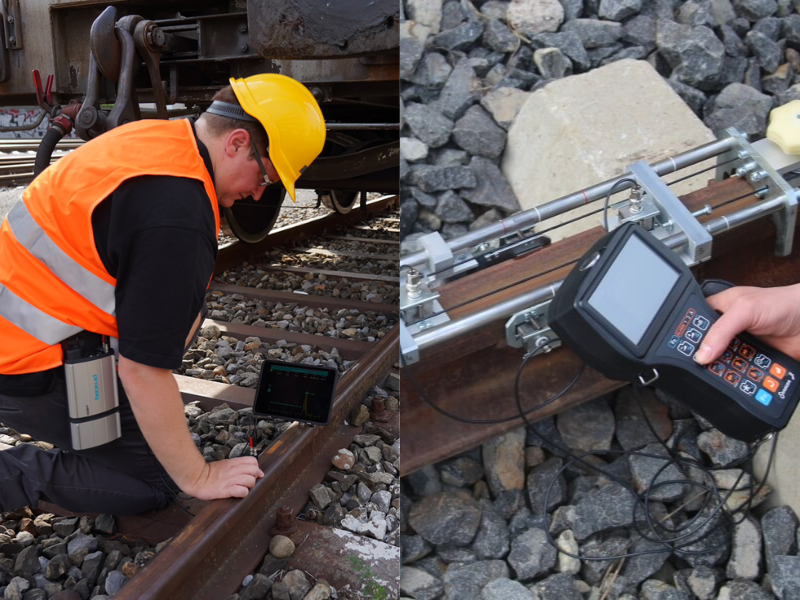
Non-Destructive Testing for Welding Inspection: Methods, Benefits, and Standards
How can we ensure the strength and safety of welded joints without damaging them? The answer lies in non destructive...
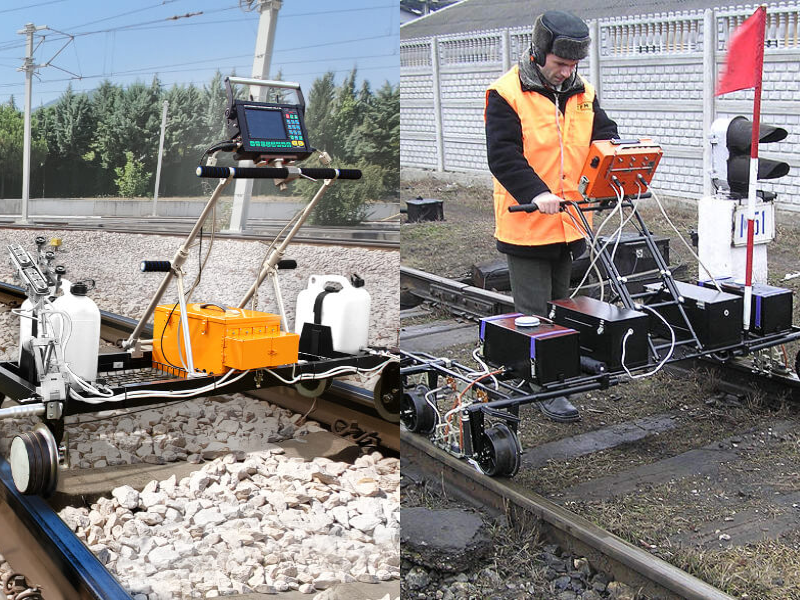
Flaw Detection in Railways: Ensuring Track and Structural Reliability
Is a tiny flaw in a railway track enough to cause a disaster? The answer is yes, and that’s why...

How Eddy Current Testing Enhances Non-Destructive Inspection Processes
How can industries inspect critical components without causing any damage? The answer lies in advanced non-destructive testing (NDT) techniques and...