How Often Must Rail Be Tested? FRA Testing Frequency Requirements
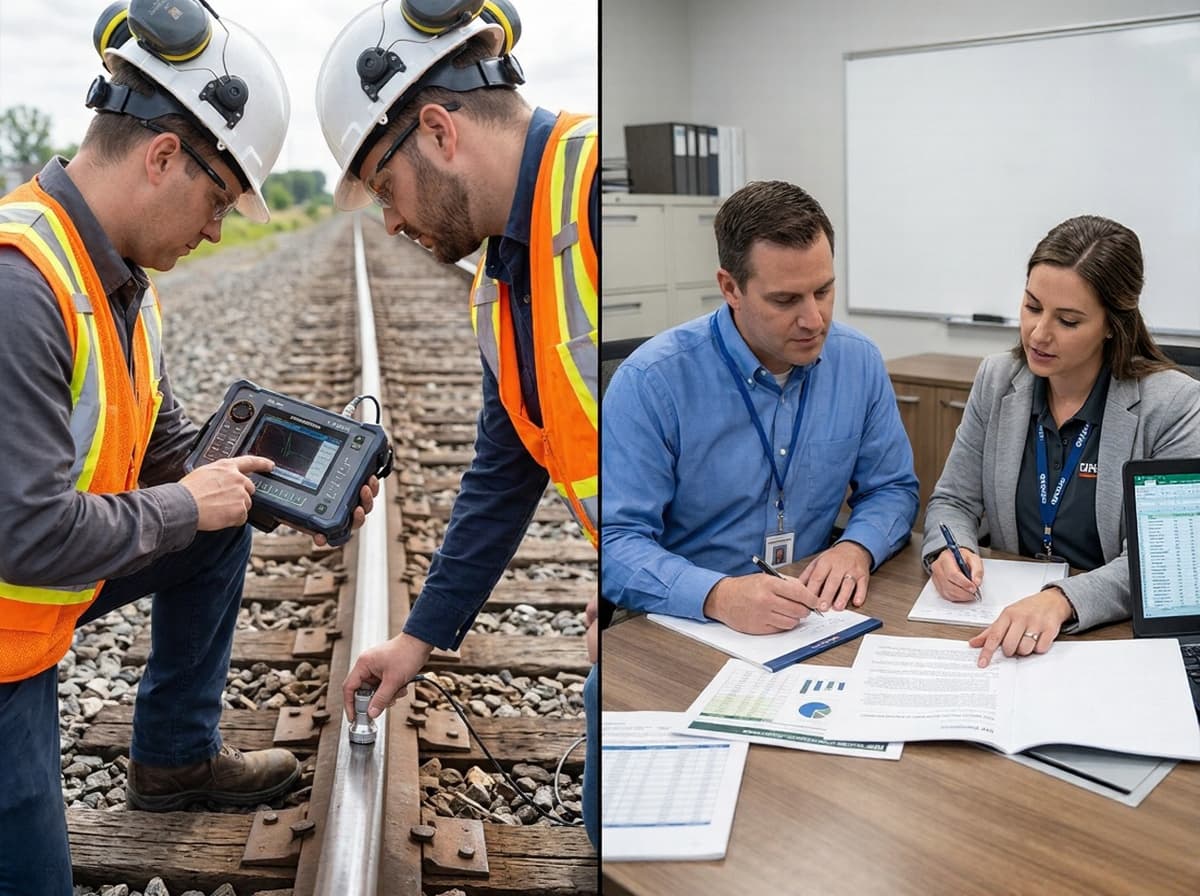
How Often Must Rail Be Tested? Learn FRA testing frequency requirements, inspection schedules, compliance rules, and rail safety best practices.
Author
86 articlesPage 5 of 9
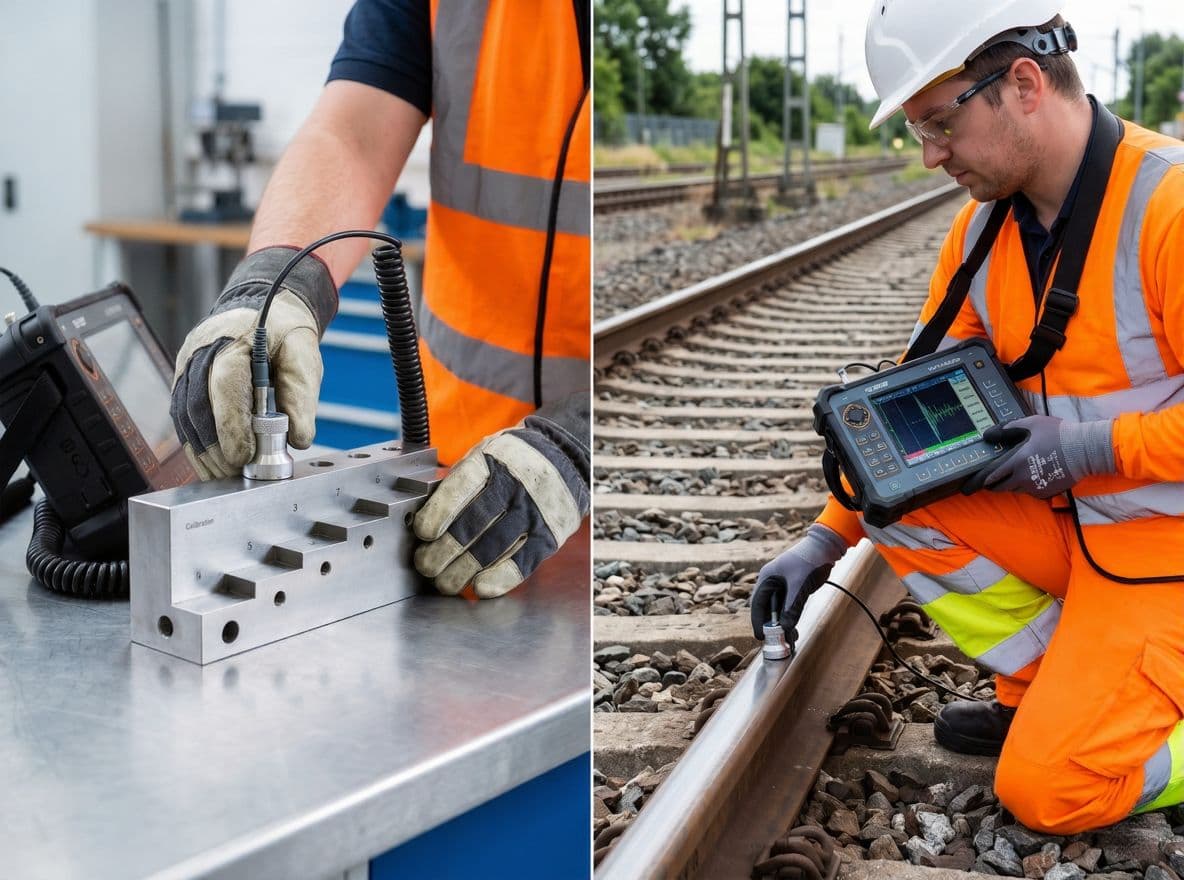
How Often Must Rail Be Tested? Learn FRA testing frequency requirements, inspection schedules, compliance rules, and rail safety best practices.
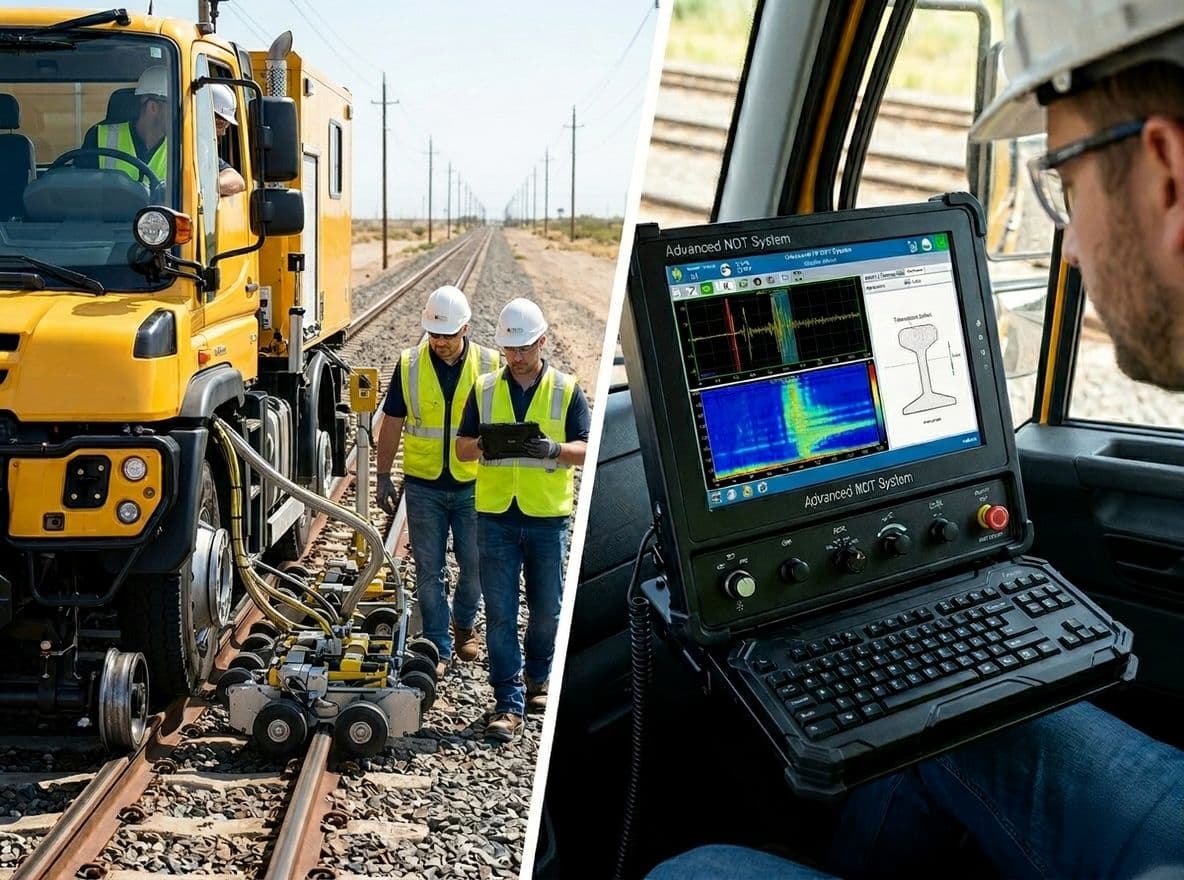
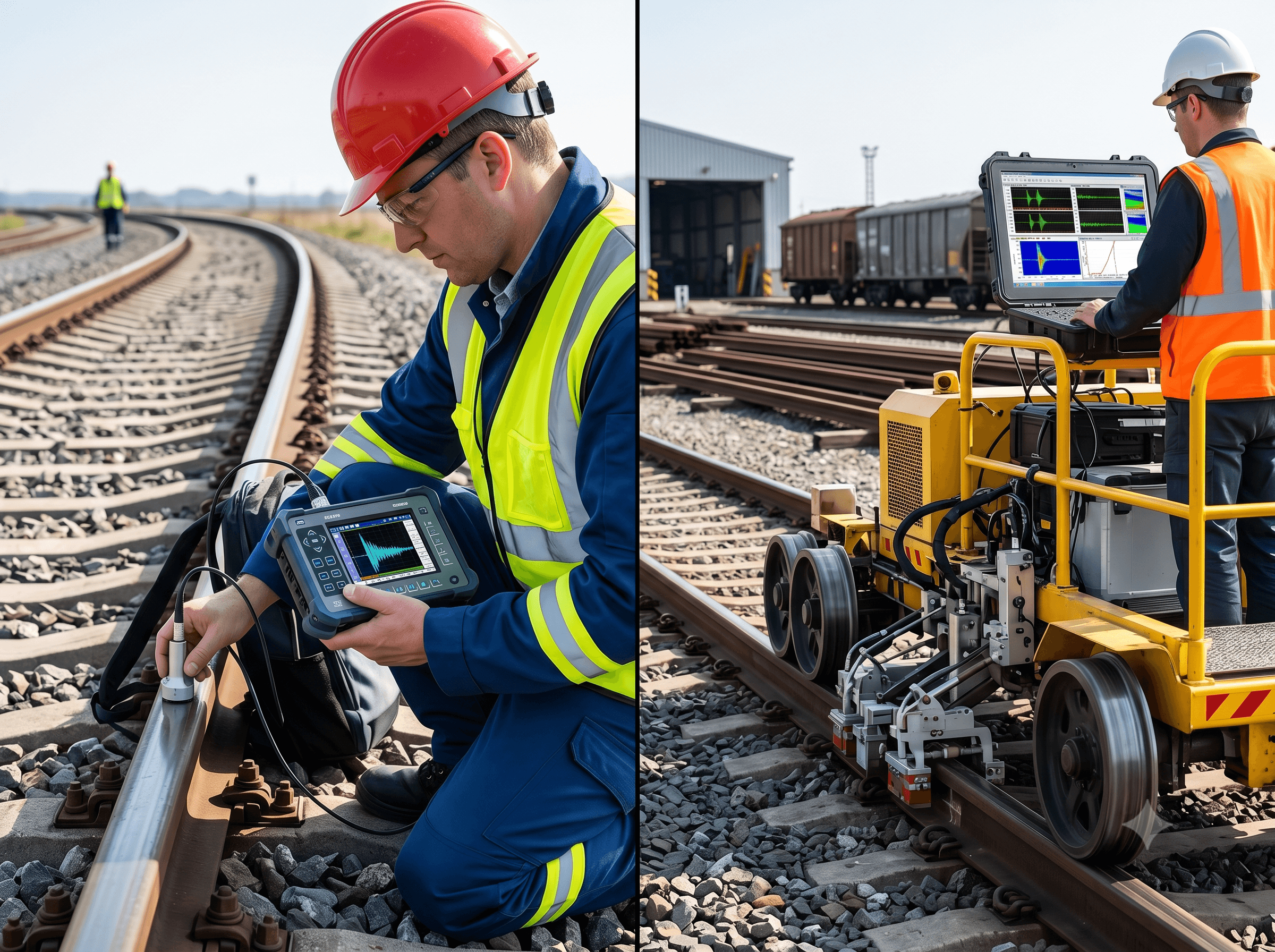
Learn how the Mobile Ultrasonic Rail Testing System helps railway operators detect hidden rail defects and reduce costly infrastructure failures.
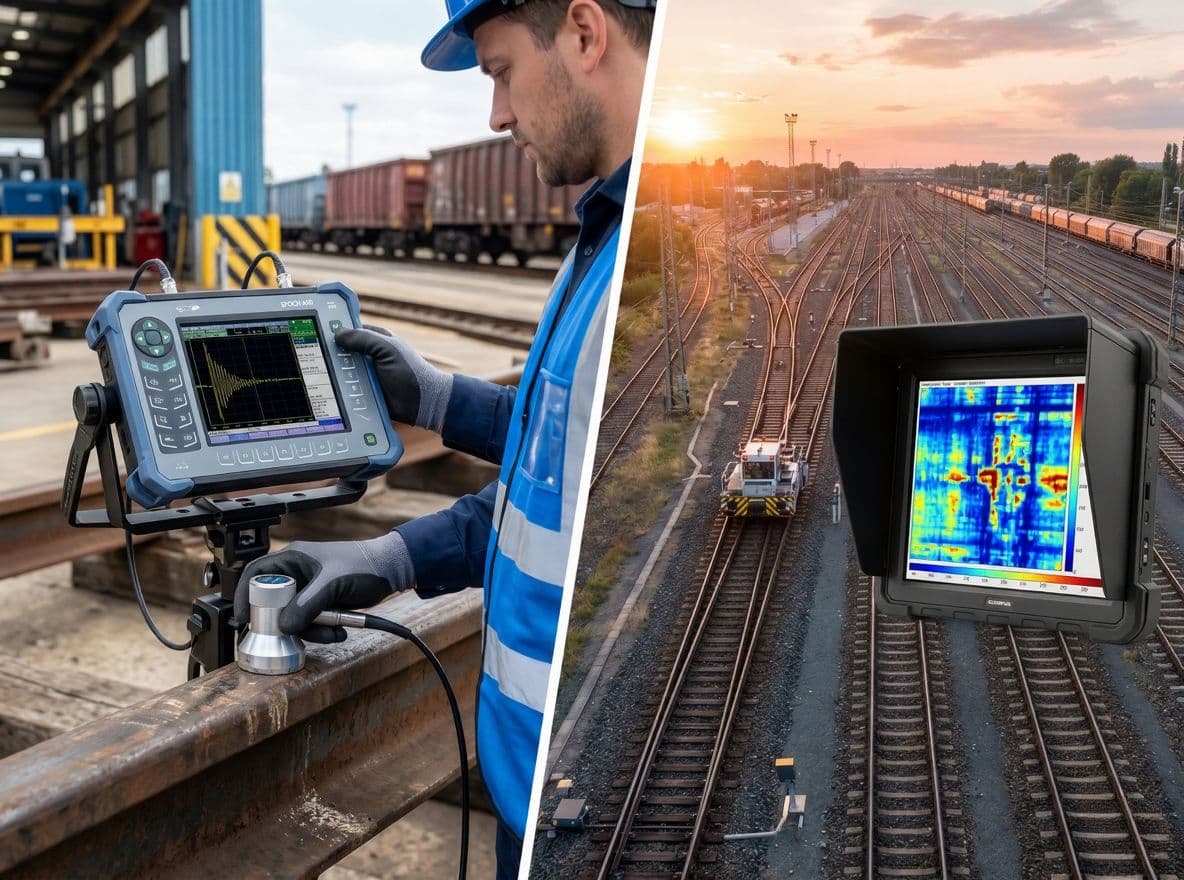
Discover how UT Fundamentals enhance A-Scan, B-Scan, and C-Scan interpretation in ultrasonic rail testing for accurate defect detection and improved rail safety
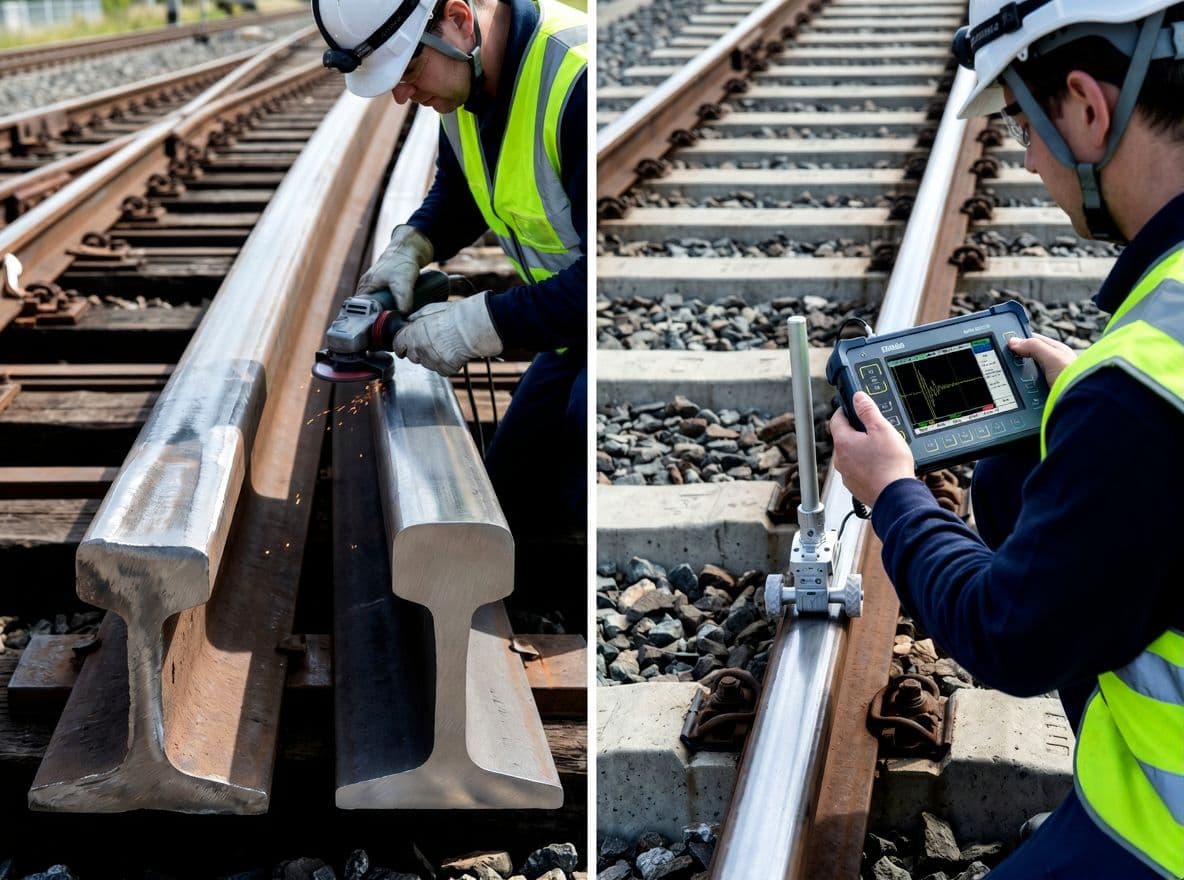
Rail profile types affect ultrasonic inspection accuracy. Learn how rail geometry impacts defect detection and railway safety.
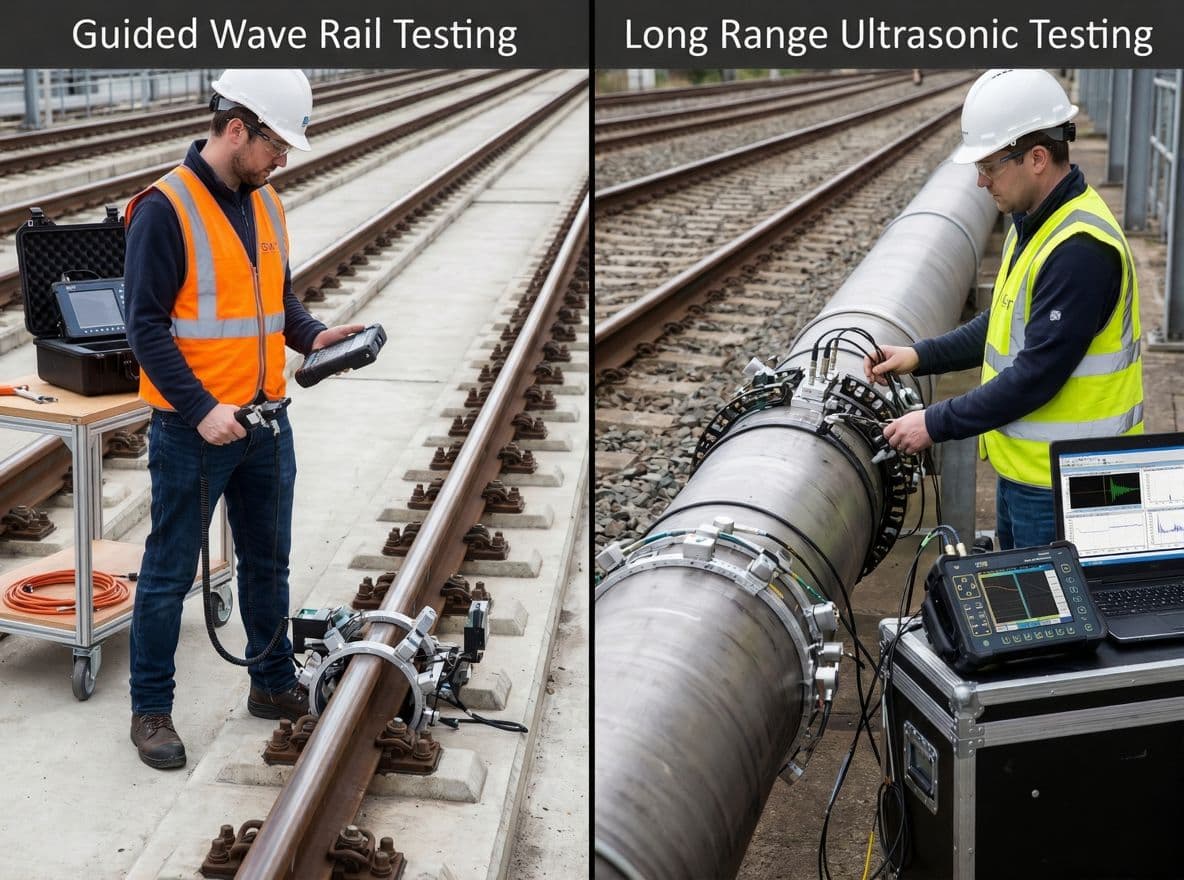
Guided Wave vs Long Range Ultrasonic Testing explained with 9 facts. Learn differences in range, cost, speed, and applications for rail inspection.
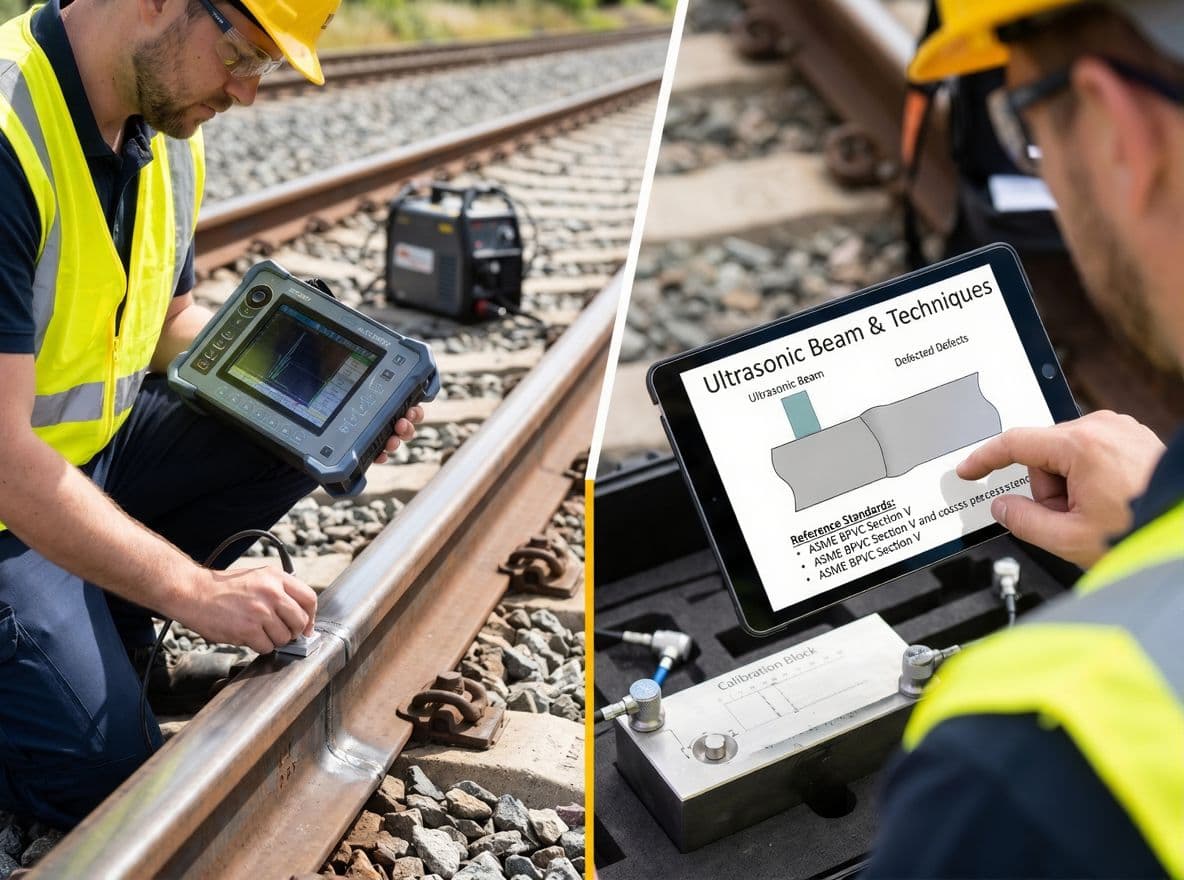
Rail inspection RFP guide covering ultrasonic testing calibration, standards, calibration blocks, and accurate rail defect detection methods.
Flash butt weld inspection ensures weld quality using ultrasonic testing standards and techniques for accurate defect detection and industrial safety.
Aluminothermic Weld Inspection uses ultrasonic testing to detect hidden weld defects and improve safety in rail and heavy engineering.
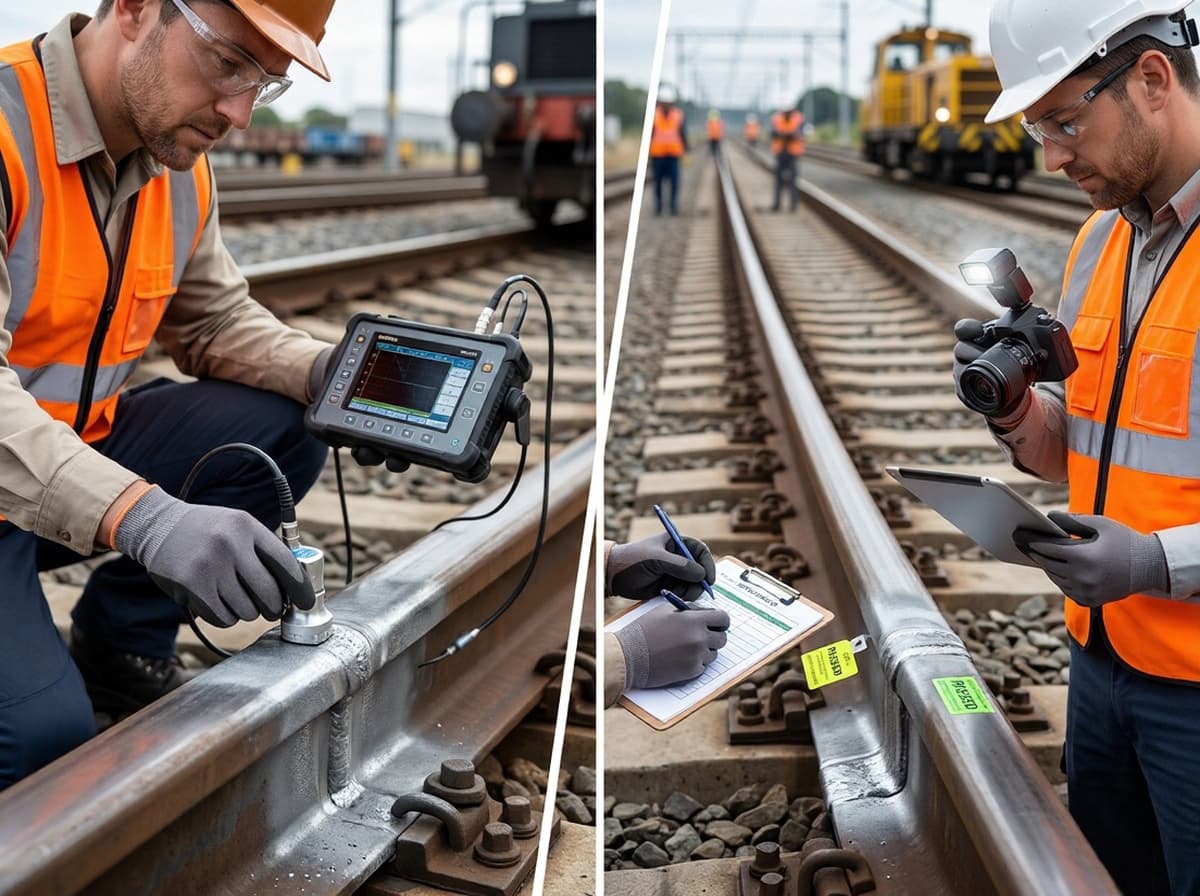
Rail inspection RFP guide covering UT services, vendor selection, and reporting to ensure safe, accurate, and compliant rail inspections.
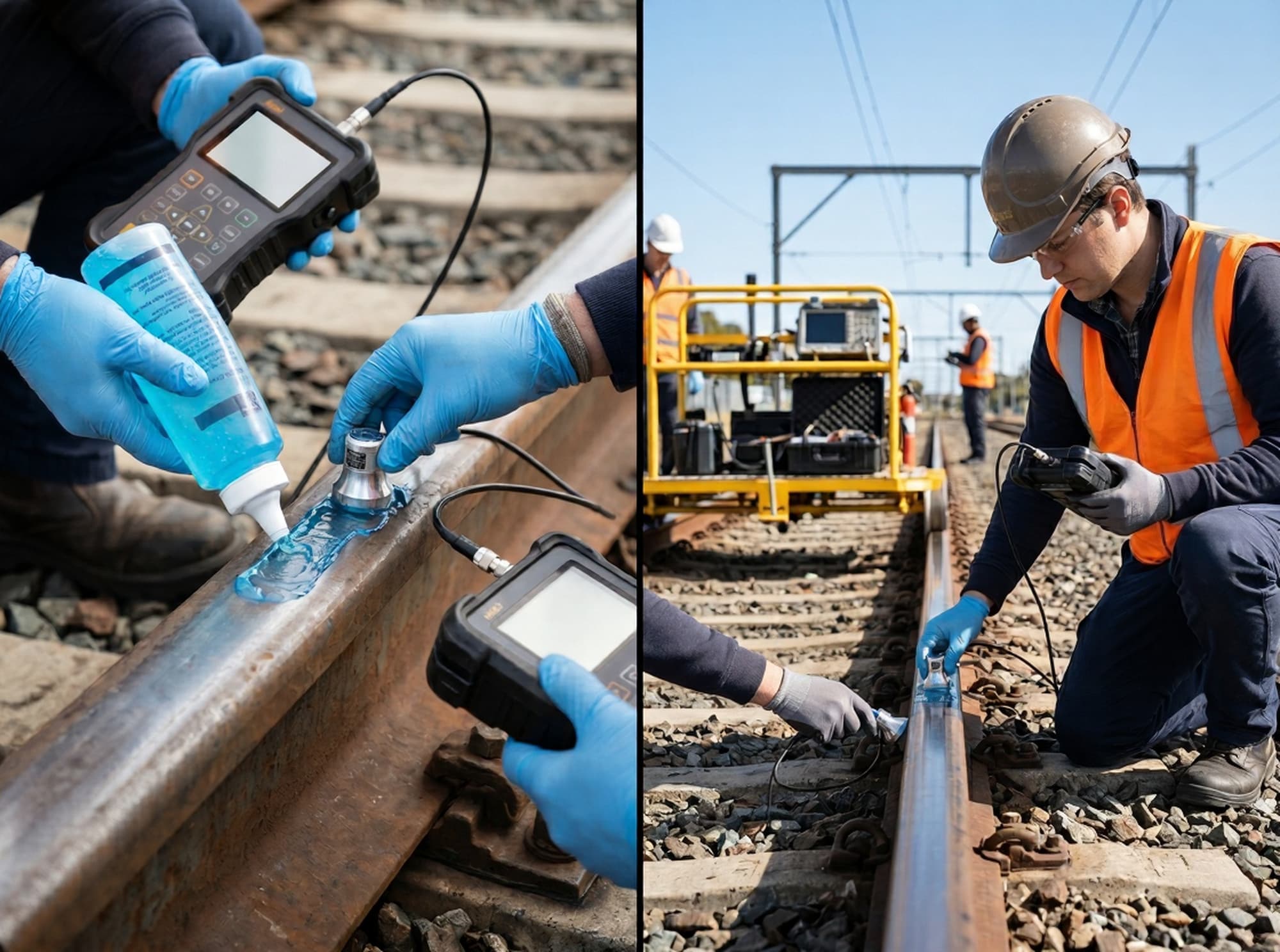
Ultrasonic couplant improves rail inspection accuracy by enhancing signal transmission, ensuring compliance, and ultrasonic testing performance.