Transverse Fissure in Rail: Causes, Detection & Analysis
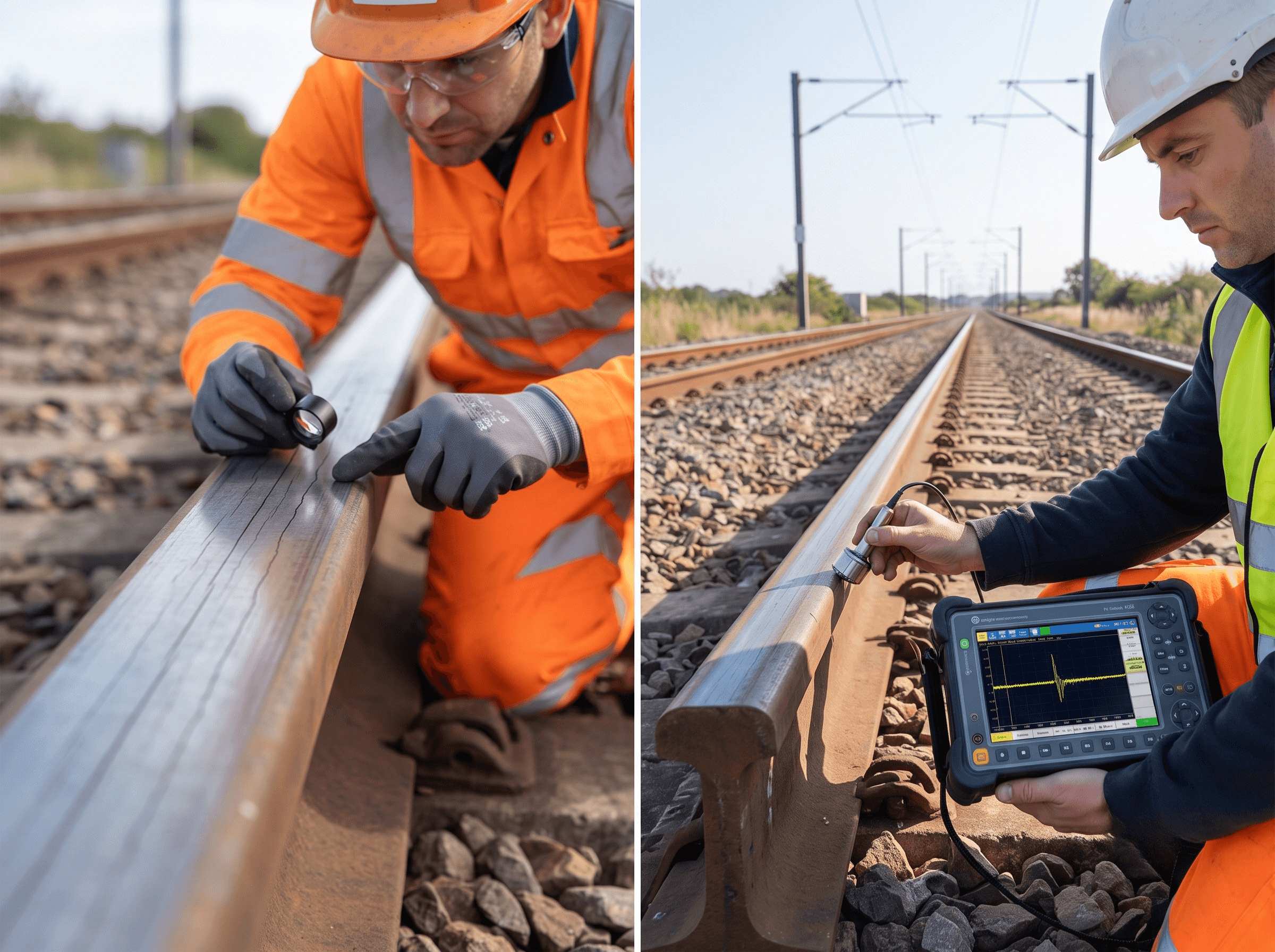
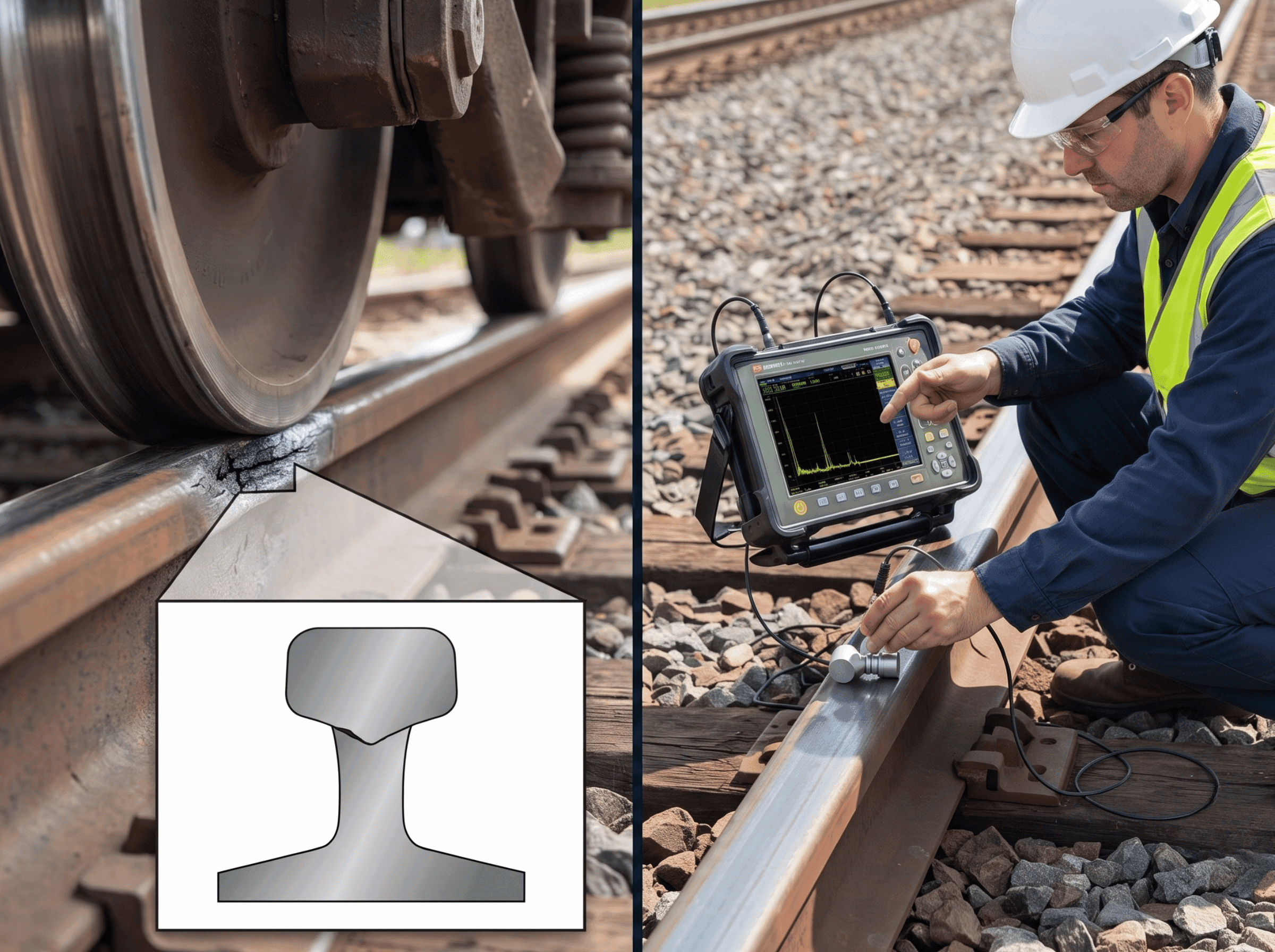
Learn about transverse fissure in rail causes, detection methods, FRA regulations, safety statistics, and why early identification matters most.
Insights
266 articlesPage 4 of 27
Learn about transverse fissure in rail causes, detection methods, FRA regulations, safety statistics, and why early identification matters most.
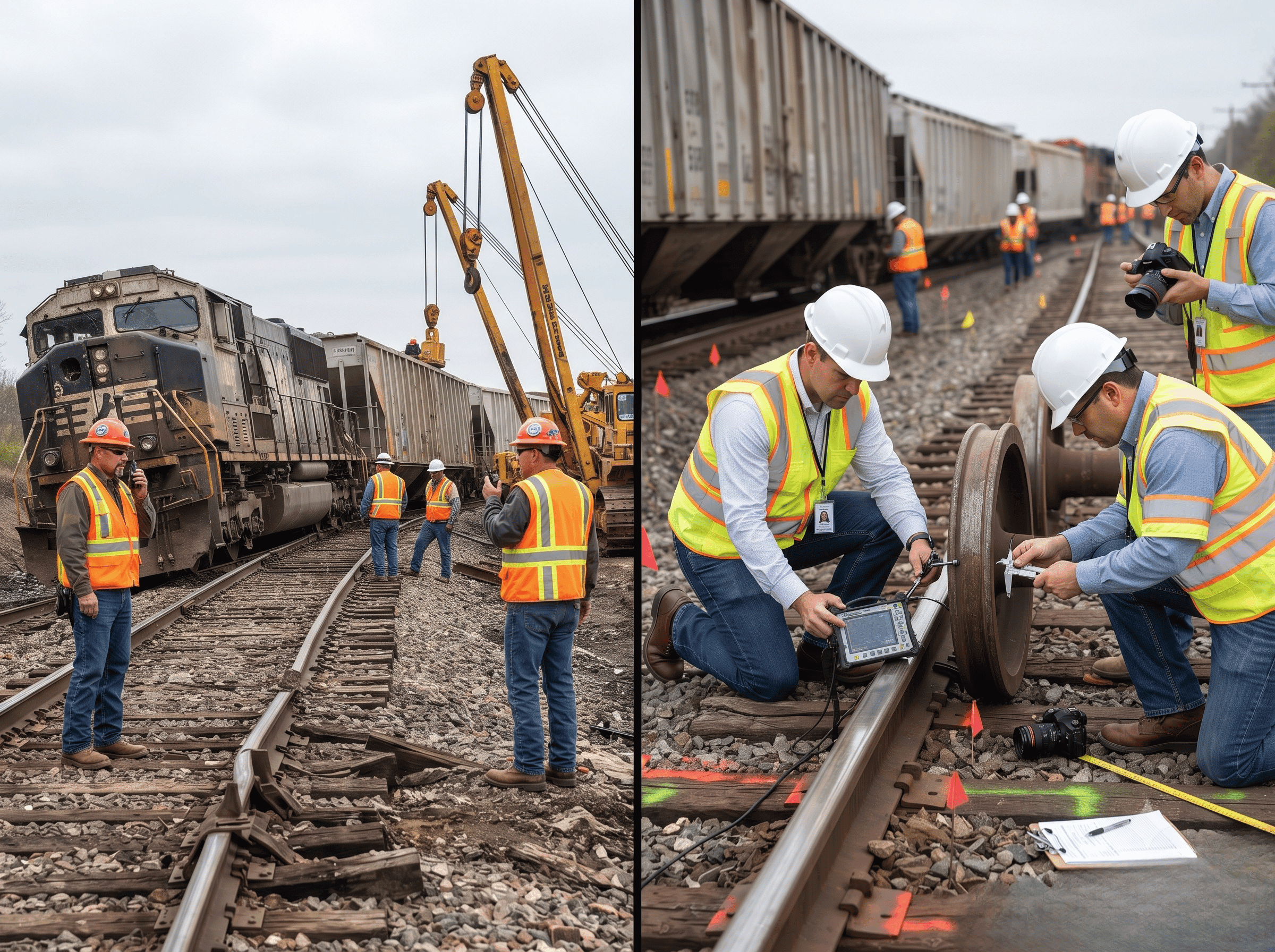
What happens after train derailment: Investigation process, emergency response, safety procedures, and prevention measures explained.
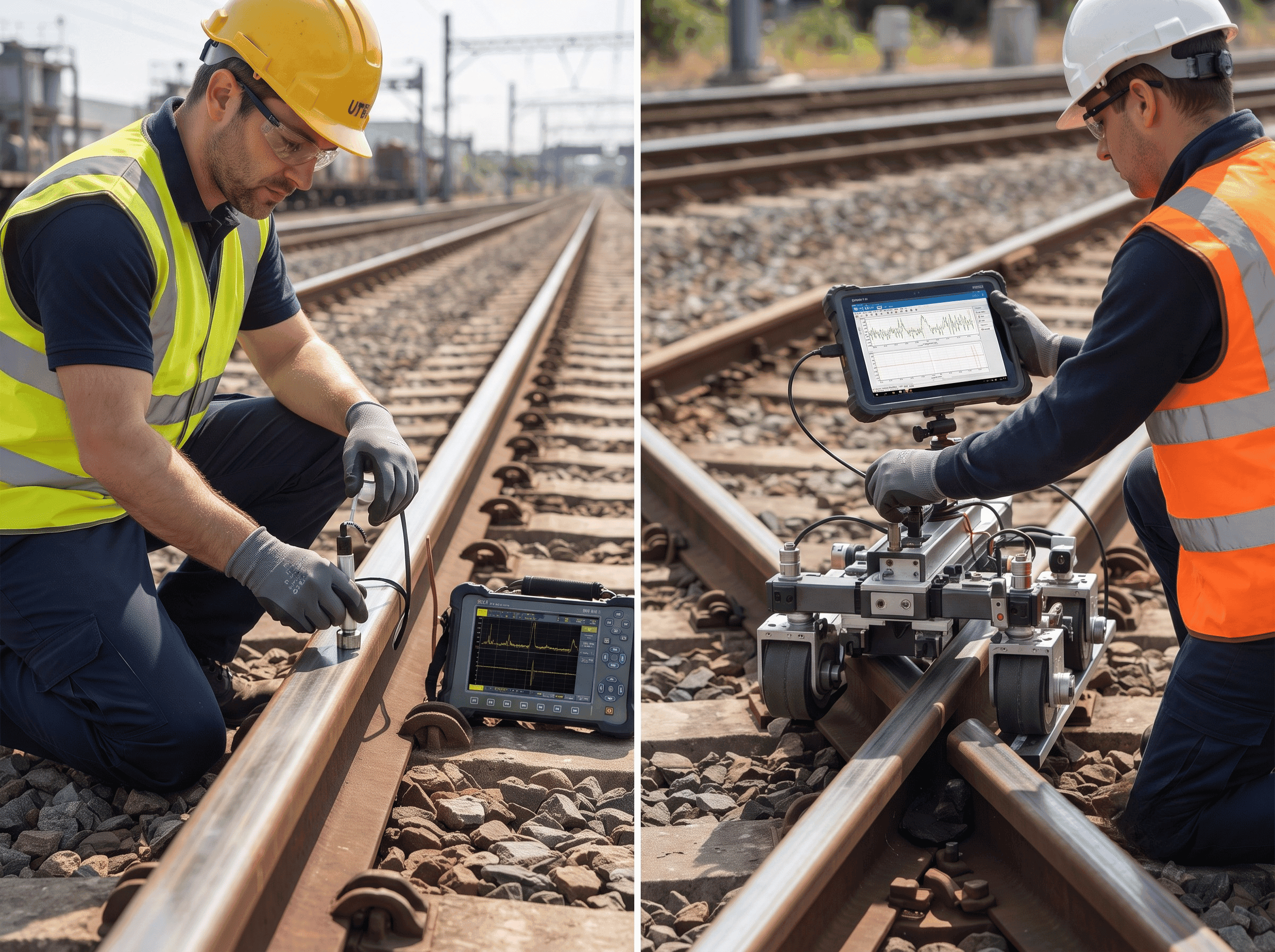
Ultrasonic testing vs magnetic flux leakage for rail inspection. Compare defect detection, accuracy, costs and material compatibility for safety.
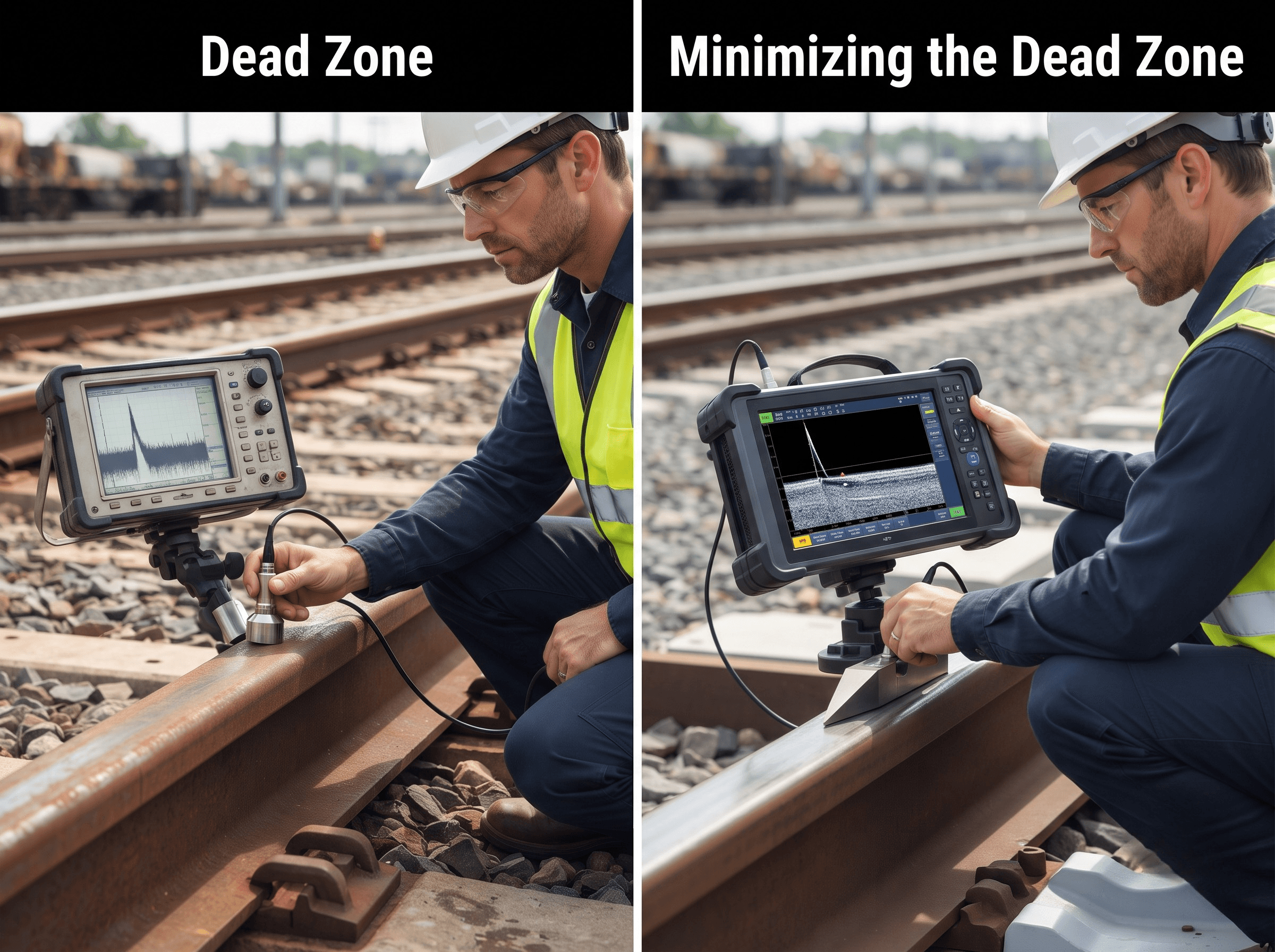
Dead zone ultrasonic testing explained: why surface defects hide in blind zones, and how modern equipment minimizes detection gaps.
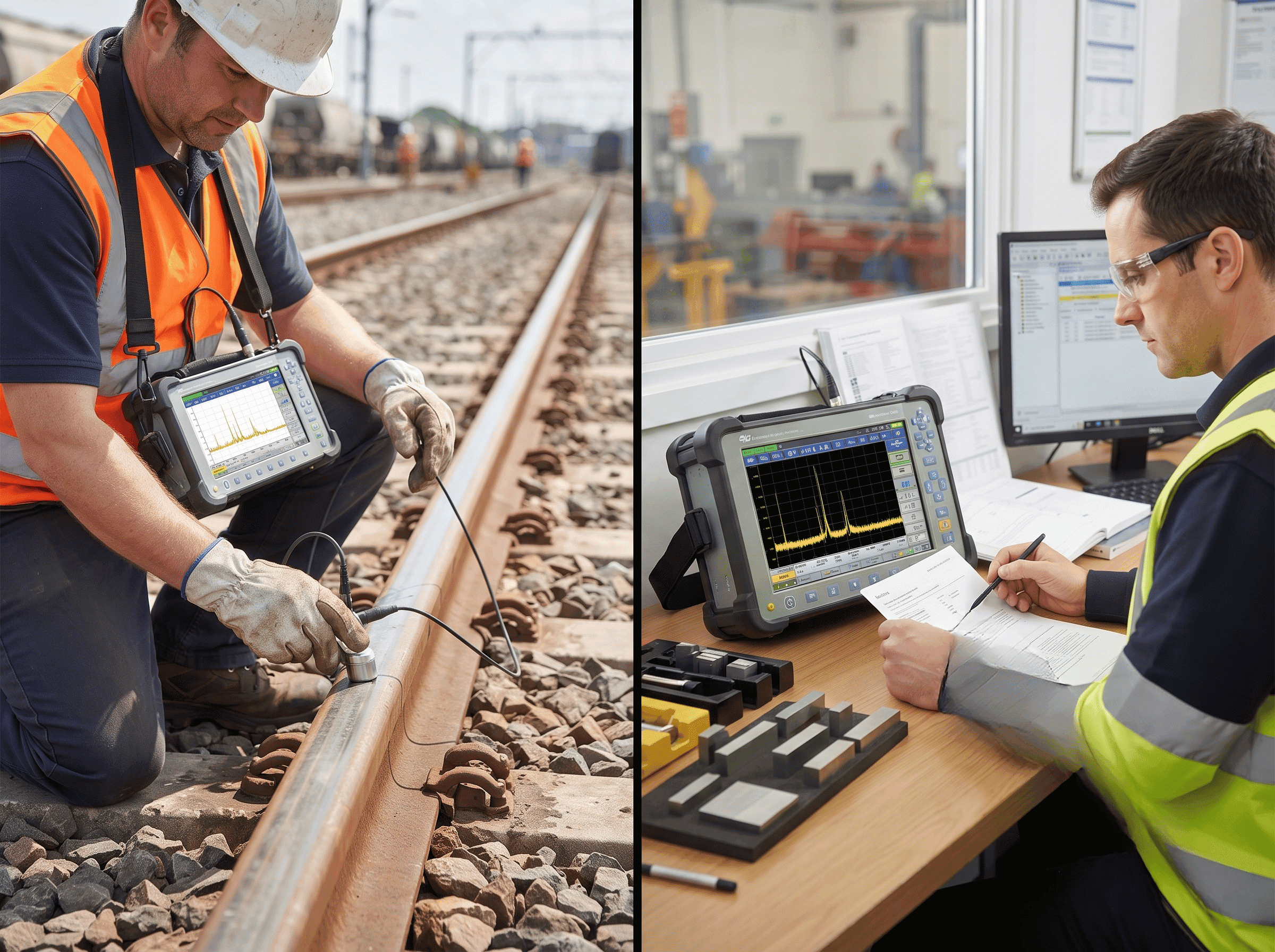
Learn how to read flaw detectors for quality assurance. Master A-scan displays, calibration, defect identification in non-destructive testing inspections.
What causes broken rails? Learn about broken rail causes including defects, environmental factors, operational stress, and proven prevention strategies for railway safety.
Master SNT-TC-1A requirements for NDT certification with complete guide covering training levels, experience hours, exams, and career growth.
Head checks rail explained: causes, progression stages, warning signs, and when this common rail defect becomes a real safety risk.
Understand rolling contact fatigue rail damage: causes, defect identification, inspection methods, and prevention techniques.
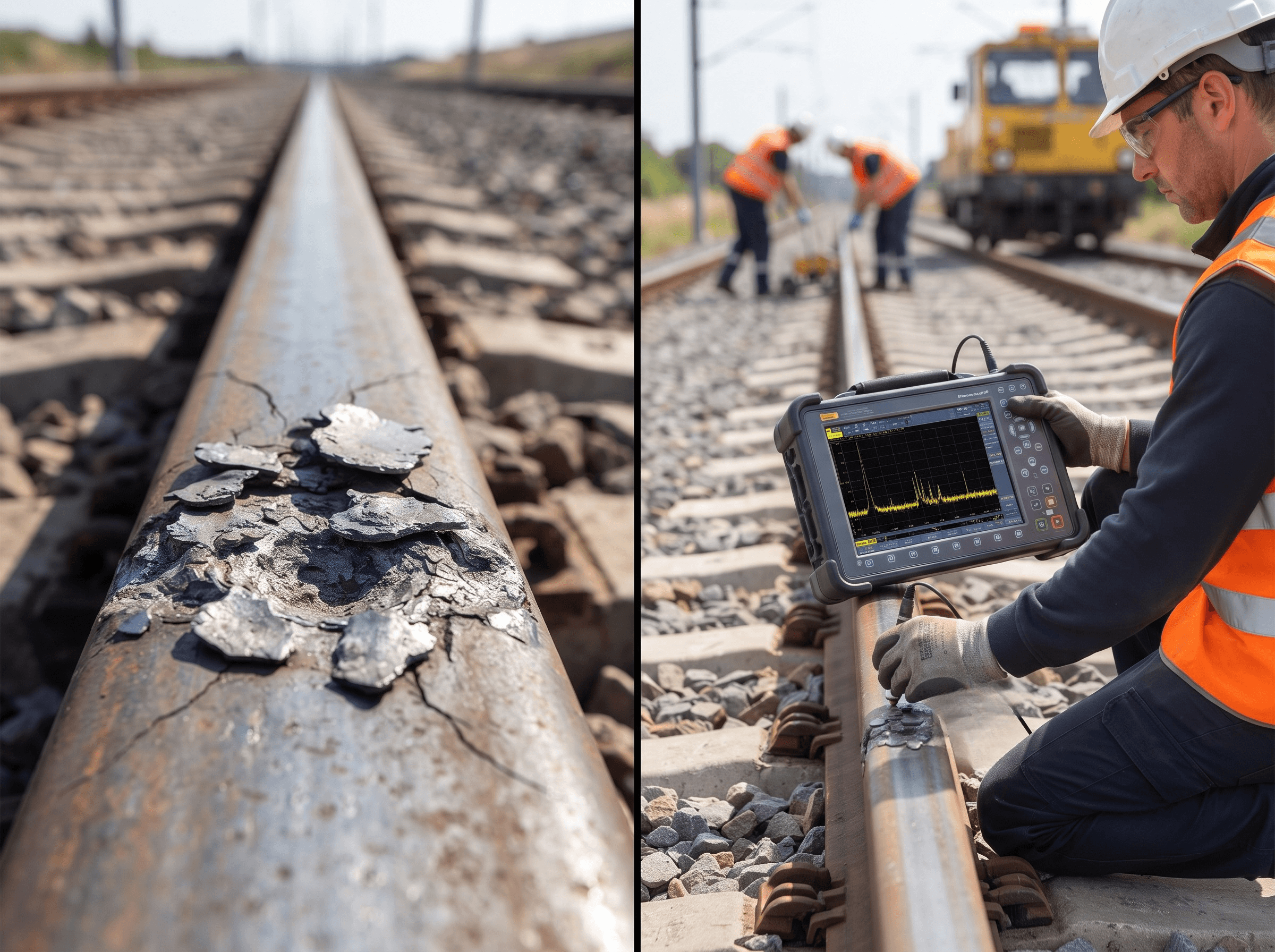
Rail shelling spalling begins as a surface flaw but can progress into serious structural failure without early detection and consistent maintenance.