
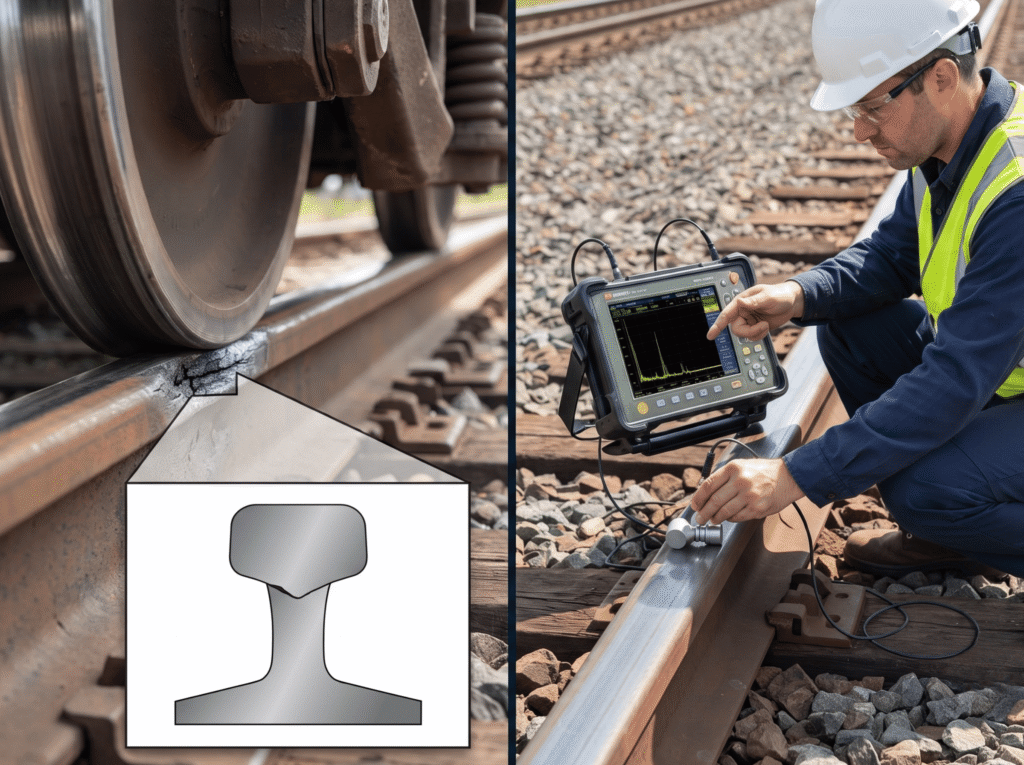
Transverse Fissure in Rail represents one of the most critical safety challenges facing modern railway systems. This progressive crosswise fracture...
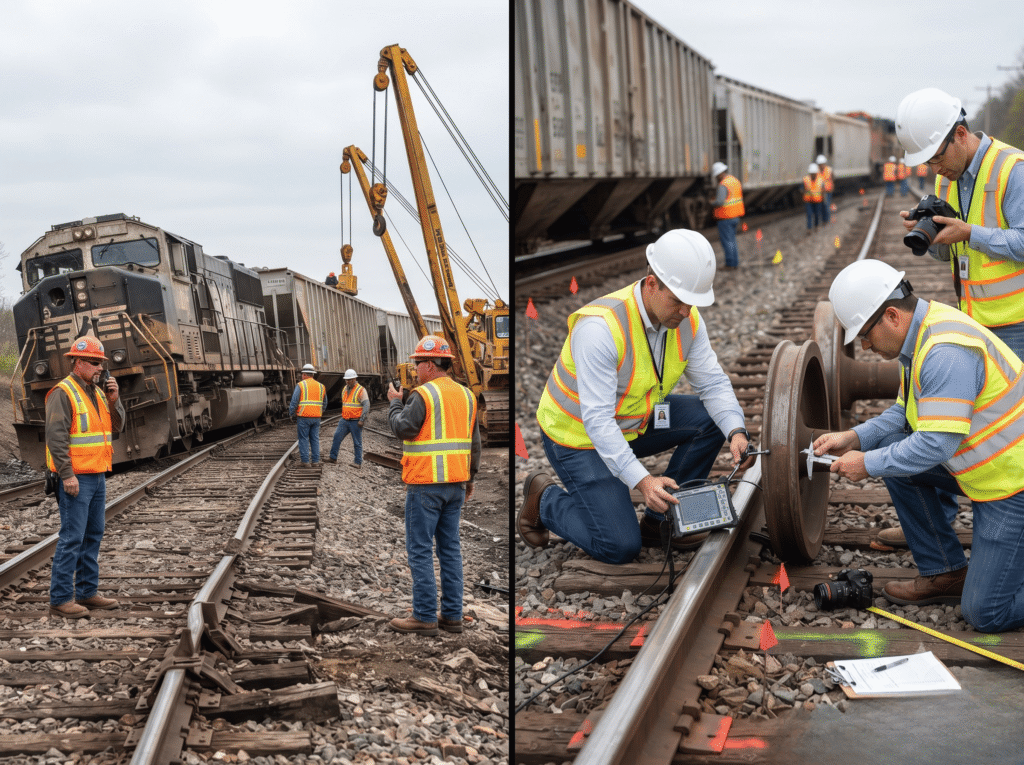
What Happens After Train Derailment: Investigation & Facts
When steel wheels slip from steel rails, everything changes in an instant. Trains traveling at high speed suddenly become twisted...
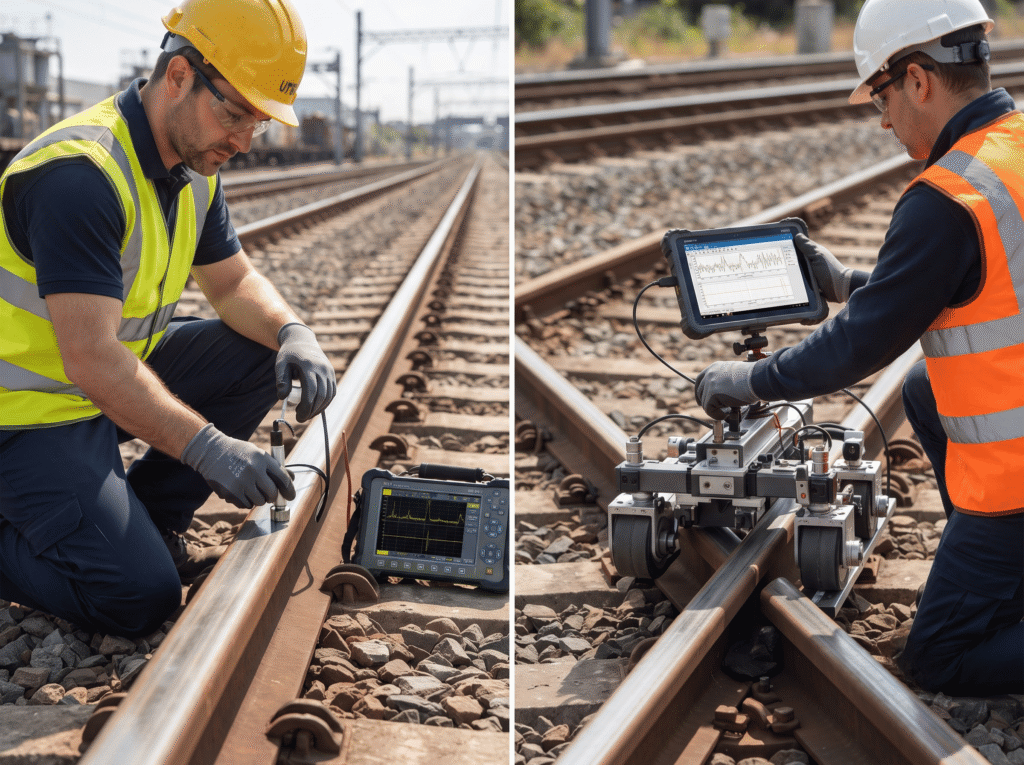
Ultrasonic Testing vs Magnetic Flux Leakage
Rail defects don’t announce themselves. A hairline crack hidden beneath the surface. A subsurface break developing silently over months. These...
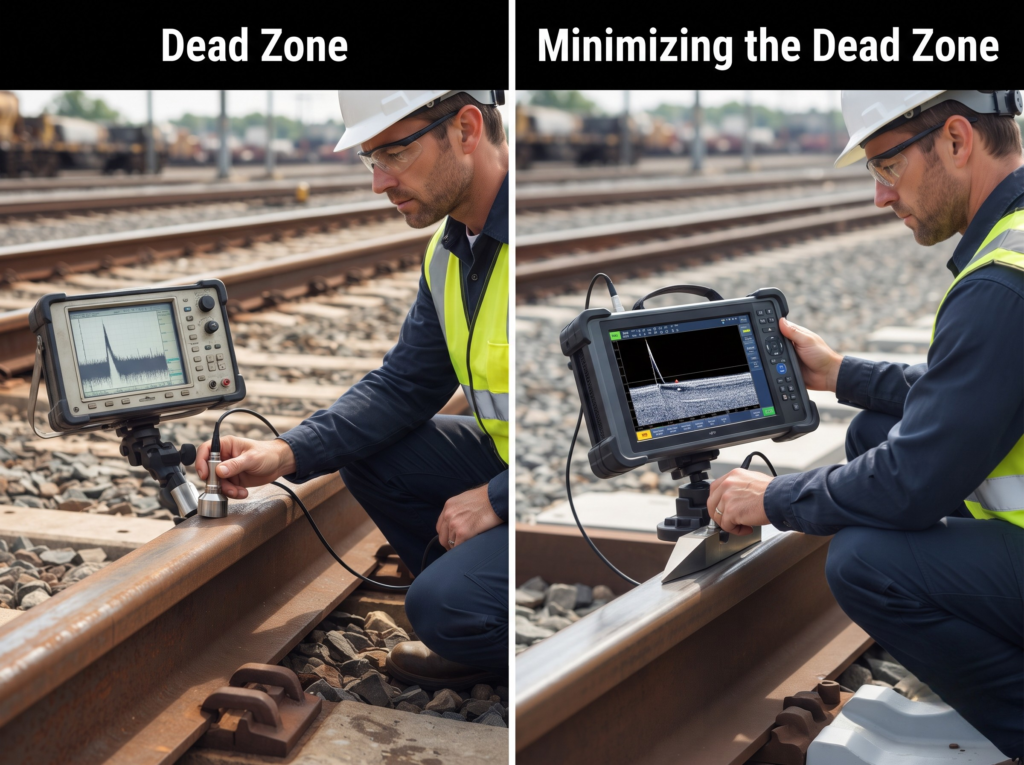
Dead Zone Ultrasonic Testing: What It Is and How to Minimize
Dead zone ultrasonic testing remains one of the most critical challenges manufacturers face when inspecting materials for hidden defects. Understanding...
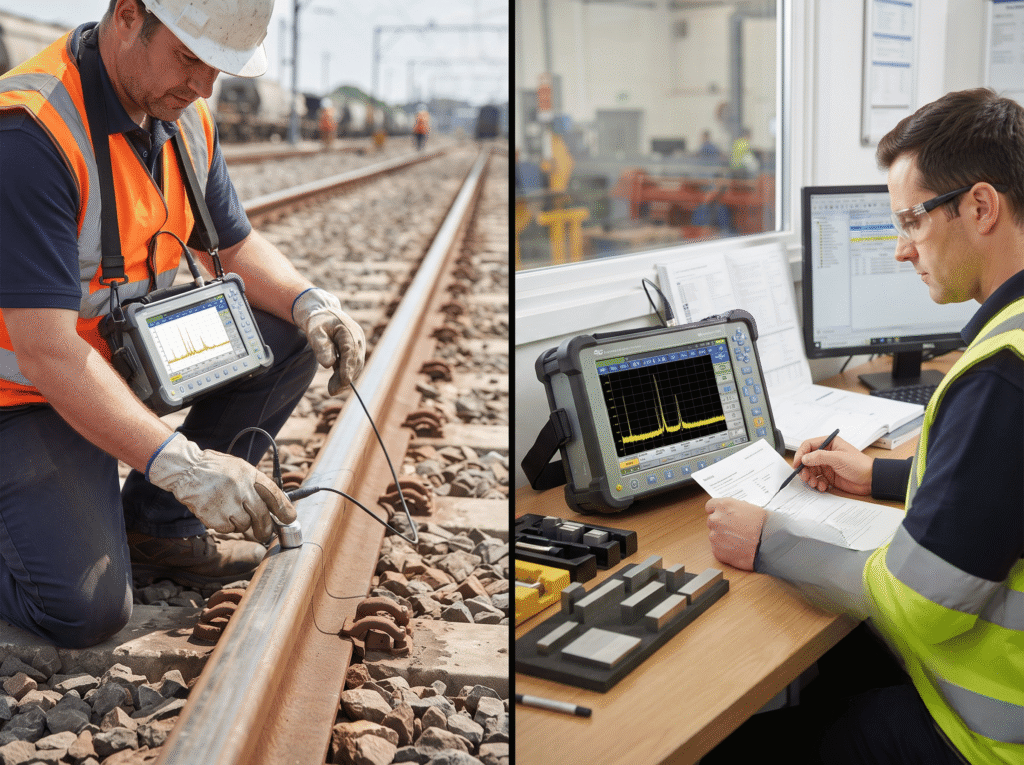
How to Read Flaw Detectors: Your Essential Field Guide
Learning how to read flaw detectors might seem daunting at first. But it’s one of the most valuable skills a...
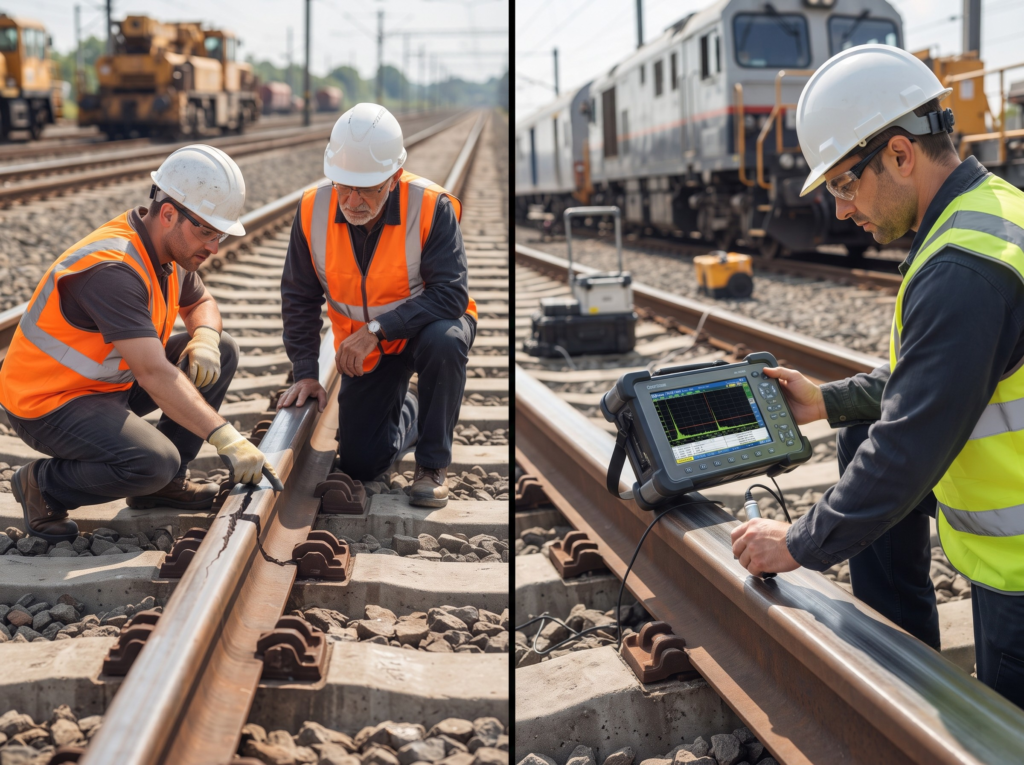
Broken Rail Causes Explained: Complete Prevention Guide
Railway systems depend on the integrity of their infrastructure. Broken rail causes have become a critical concern for railway operators...

SNT-TC-1A Requirements for NDT Personnel Certification
The non-destructive testing industry depends on certified professionals who understand SNT-TC-1A requirements. These standards establish the foundation for quality assurance...
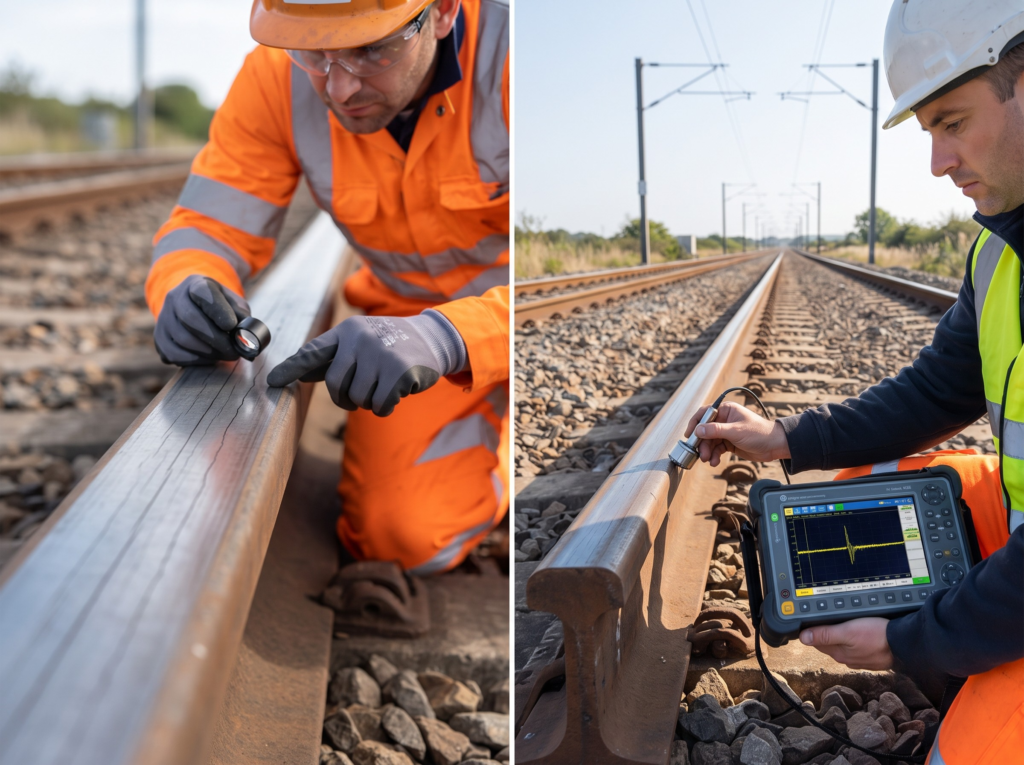
Head Checks Rail: Causes, Progression, and When Dangerous
Head checks rail. Three words that make maintenance crews sit up a little straighter. Anyone who has spent time around...
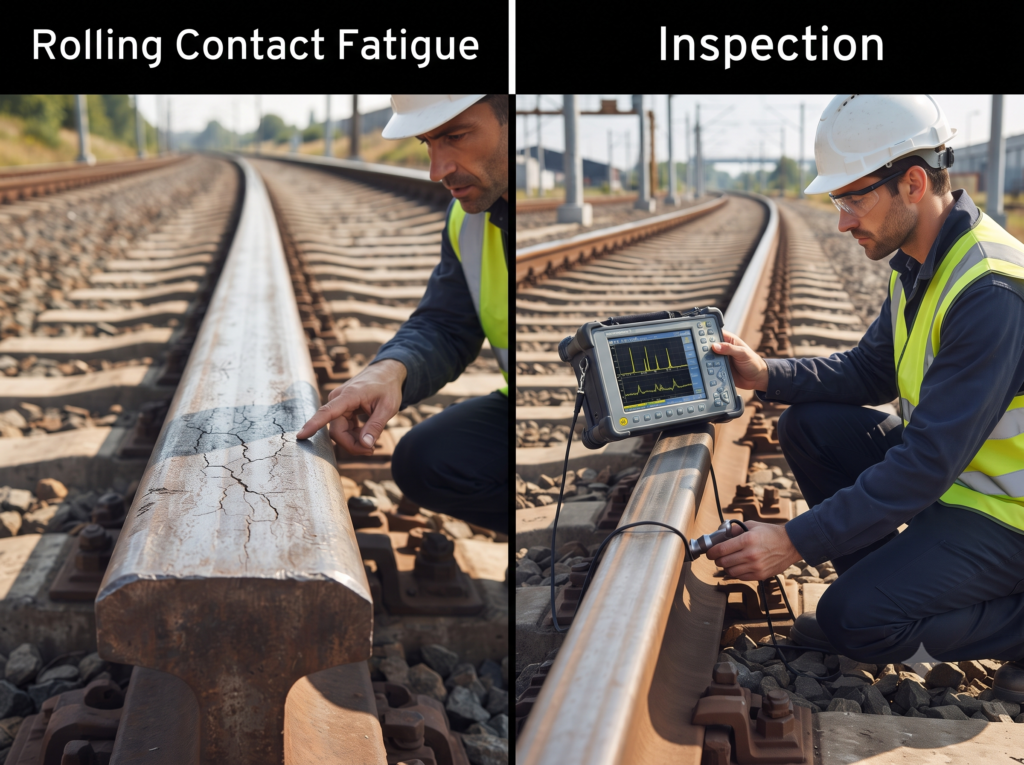
Rolling Contact Fatigue Rail: Causes, Types, and Inspection
Rolling contact fatigue rail represents one of the most critical challenges facing modern railway systems worldwide. This rolling contact fatigue...
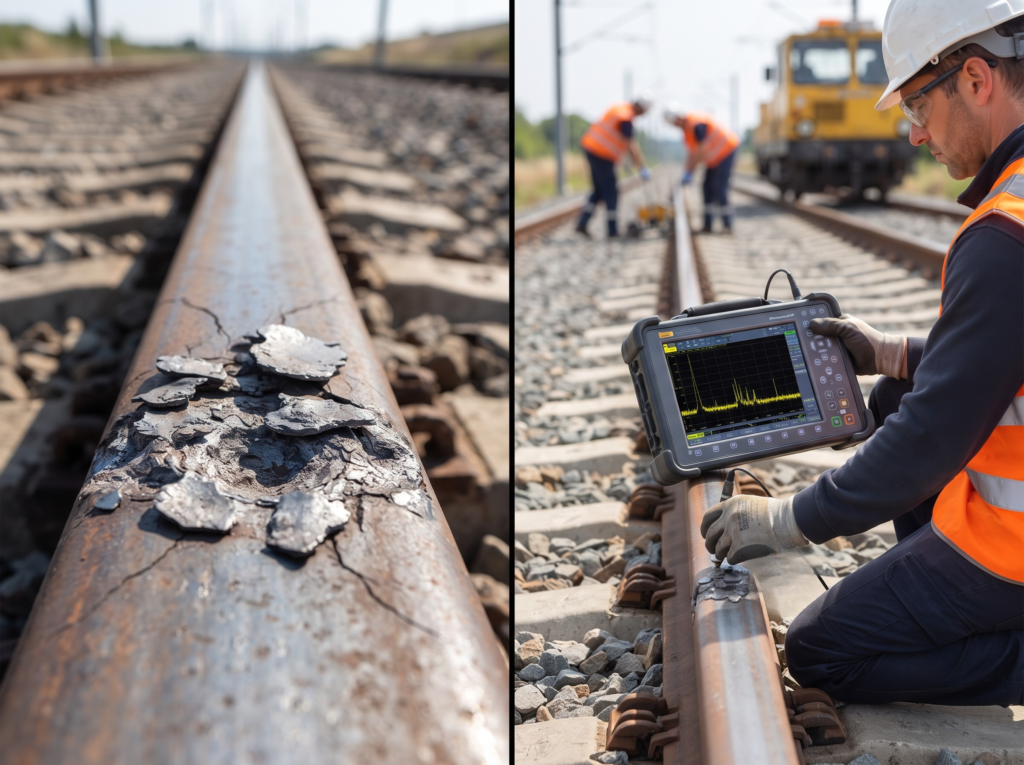
Rail Shelling Spalling: Surface Defects That Lead to Internal Failures
Rail shelling spalling starts small. A tiny flake lifts off the rail surface, barely visible, and most people walking the...